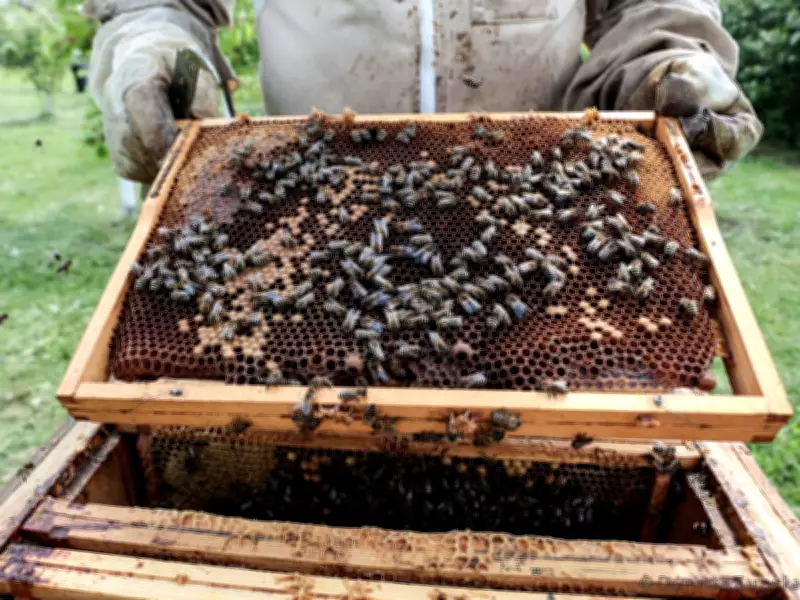
Pollinators such as honey bees are vital to our ecosystem, but they are just one of many organisms that silently benefit humans. In a recent reader discussion, people highlighted a range of creatures and microbes whose contributions often go unnoticed.
Parasitic Wasps: Tiny Guardians
One reader shared their discovery of the parasitic wasp Trichogramma evanescens while battling clothes moths. These near-microscopic insects can be ordered online in sachets of 2,000 and are dedicated to destroying clothes moth eggs. Beyond household use, Trichogramma chilonis and Trichogramma japonicum serve as biocontrol agents in agriculture, feeding on larvae of serious pests and reducing the need for chemical pesticides. Similarly, green lacewing grubs (Chrysoperla spp) are mass-reared and released in fields at 10,000 per hectare to control sucking pests, fostering a safer environment.
Gut Bacteria: The Inner Ecosystem
Readers emphasized the importance of gut bacteria, which are essential for digestion and immune defense. One noted that we have more microbial cells than human cells in and on our bodies, making them a significant yet underappreciated part of our existence. As Bill Bryson humorously put it, “You are for them the ultimate food court, with the convenience of warmth and constant mobility thrown in. By way of thanks, they give you BO.”

Phytoplankton and Diatoms: Oceanic Life Support
Phytoplankton absorb carbon from water and, when they die, sink to the ocean floor, acting as a vital carbon sink. Diatoms, a type of phytoplankton, are responsible for 50-60% of the free oxygen in our atmosphere. These tiny organisms play a crucial role in regulating climate and producing breathable air.
Bees and Other Pollinators
Honey bees are well-known pollinators, but readers pointed out that many other pollinators are also declining. Without them, our ecosystem would face severe food shortages, economic impact, and reduced biodiversity. The problem extends beyond bees to include all pollinators, whose numbers are decreasing globally.
Fungi and Earthworms: Soil Health Heroes
Fungi help trees survive and have numerous other uses, yet few people fully appreciate their role in combating climate change and forest decline. Earthworms aerate the soil and make nutrients bioavailable to plants through their waste, directly supporting food production.
Yeast and Robber Flies
Yeast is essential for making bread and alcohol, while robber flies kill pests like ants and even mice, helping control disease vectors. One reader noted that robber flies are important as people become more aware of hantavirus.
These examples highlight the countless organisms that silently support human life, from microscopic bacteria to visible insects. Recognizing their contributions can foster greater appreciation for the natural world.