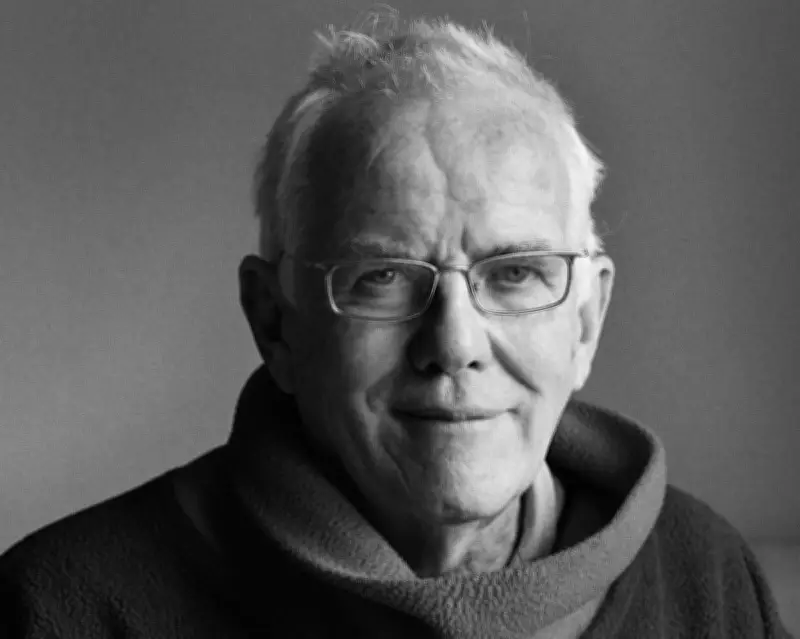
Christopher Roper, a former Reuters correspondent who witnessed Che Guevara's body being brought into Vallegrande in 1967 and later founded Logotron, the UK's leading supplier of software to primary schools, has died aged 86.
Witness to history
While working for Reuters in Bolivia, Roper was one of two journalists to see Guevara's body strapped to a helicopter's landing gear in October 1967. The scoop earned him front-page bylines in the New York Times and the Russian newspaper Izvestia, according to his friend and obituarist.
Born at Forde Abbey in Dorset, Roper was one of four children of Diana (nee King) and Geoffrey Roper, a forester and landowner. The 1930s agricultural depression had strained the family finances, leaving the silver spoon slightly tarnished. During the war, his mother housed evacuees and aged relatives in the unheated former Cistercian abbey.
Early career and education
Roper boarded at Bradfield College in Berkshire, which he hated. Before studying theology at Magdalene College, Cambridge, he spent time doing voluntary work in Alaska. After graduating in 1962 and a spell teaching in Sierra Leone, West Africa, he joined Reuters at age 24, covering military coups in Algeria (1965), Argentina (1966) and Peru (1968).
His marriage to Penelope Plowden ended in divorce in 1975, by which time he was living with his future second wife, Janie Prince, and her two small children, Lucy and Mischa, in a Stockwell commune built around political and environmental concerns. Roper was one of a two-man team publishing weekly Latin American newsletters. The commune filled with Argentinian refugees fleeing imprisonment after the overthrow of Isabel Perón.
Founding Logotron
By 1980 the newsletter service employed 30 people, but Roper was burnt out. Learning of the invention of a computer programming language for children called Logo, and fueled by a belief that children should be in charge of computers, not vice versa, he launched Logotron. It soon became the UK's leading supplier of software to primary schools.
Following its sale to Longman in 1996, Roper returned to west Dorset, first to Lyme Regis, and co-founded the Landmark Information Group, a database digitizing past and current Ordnance Survey mapping. It enabled planners and surveyors to determine whether land is subject to contamination or environmental risks.
Later life and legacy
Roper retired in 2002 and eventually settled in Wootton Fitzpaine. His friend noted: 'My own friendship with him stemmed from our mutual research into Dorset's history, but there was little that did not interest him. Ideas bubbled up as if from a spring.' He was a keen plantsman, readily sharing cuttings and creating a garden filled with rare and unusual plants.
Described as idealistic, impractical, resilient and blessed with boundless curiosity, Roper had an ability to turn potential disaster into triumph, ensuring a life lived to the full. He married Janie in 2003. She survives him, as does their son Will, and his stepchildren, Lucy and Mischa.