Young Vic Director Champions Bold Programming Amid Theatre Financial Crisis
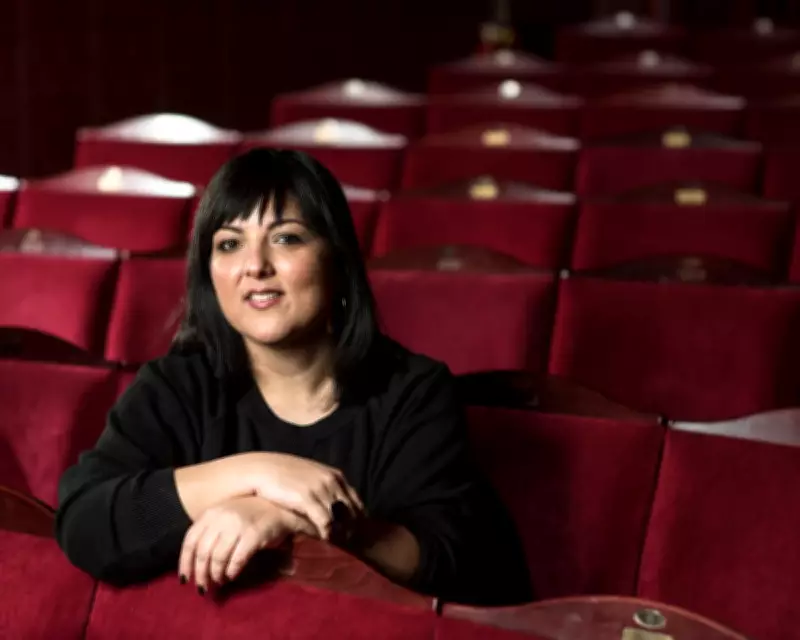
Nadia Fall, the artistic director of London's renowned Young Vic theatre, has issued a clarion call to struggling theatres across the country, asserting they must "programme their way out" of financial difficulties. Fall, who assumed leadership of the Young Vic in 2025, made these remarks while unveiling an ambitious new slate of productions for the upcoming season.
Financial Realities and Artistic Vision
Fall's tenure began amidst challenging circumstances, with the Young Vic facing a £500,000 deficit in the previous financial year, leading to necessary staff reductions. Despite these hurdles, she remains steadfast in her belief that theatres can achieve financial stability by presenting unmissable, compelling productions that attract audiences and generate revenue.
"We need more investment in the arts: I need philanthropists and theatre supporters," Fall acknowledged. "But a big part where I do have agency is to programme my way out of it." She emphasized that while external funding is crucial, artistic leadership and innovative programming are equally vital for survival and success in the current economic climate.
Provocative New Productions Announced
The centrepiece of the Young Vic's autumn season is a bold musical adaptation of Thelma & Louise, reimagined as an anti-Trump feminist statement. Based on Ridley Scott's iconic film with a screenplay by Callie Khouri, who is involved in this new production, the musical features music from Grammy-winning artist Neko Case of the New Pornographers. It is scheduled to open on September 3rd.
Fall, whose directorial debut Brides premiered at Sundance, drew inspiration from stories of women escaping violent circumstances. "I think it's still a feminist story," she explained. "And if we're looking at Trump's America, the rights of a woman are going majorly backwards. So I think we do need a feminist musical, and hopefully it'll bring in a crowd."
Diverse and International Programming
The Young Vic's new season showcases a commitment to risk-taking and international collaboration. Highlights include:
- Shedinburgh: An immersive experience bringing Edinburgh Fringe performers like Sara Pascoe and Inua Ellams to London for the first time since its pandemic origins.
- Eurotrash: An adaptation of Christian Kracht's dark novel, starring Ben Whishaw and Kathryn Hunter, exploring a writer's road trip with his elderly mother through the Swiss Alps.
- Gem of the Ocean: Directed by Fall herself, this August Wilson play adds to the season's depth.
- La Distance: A father-daughter drama by Tiago Rodrigues, director of the Festival d'Avignon, making its south London debut.
- dissent: A world premiere by debbie tucker green, presenting a near-future dystopia where censorship and surveillance dominate daily life.
Fall described dissent as "very disconcerting," noting, "Protest is illegal; you've got to keep an eye on your colleague. Don't question anything. You know, these are things, these are tropes that we're seeing in our real lives right now."
Systemic Challenges and Calls for Support
Fall's comments come against a bleak backdrop for the arts sector. A recent Arts Council England report revealed a staggering 64% decline in the number of plays touring England since 2019, highlighting the dire state of theatrical touring nationwide.
While the Young Vic has celebrated successes, such as James Graham's Punch—which transferred from Nottingham Playhouse to the West End, winning two Olivier Awards—Fall pointed out systemic economic barriers. Splitting box office revenues and navigating Theatre Tax Relief complexities can deter London institutions from collaborating with regional theatres.
"We want to hold hands more with our ... with all my brilliant colleagues up and down the country," Fall expressed. "But then how do we do that, because actually economically it's quite challenging." She advocates for "incentives at government level to make that partnership viable," urging policymakers to support cross-regional collaborations that enrich the cultural landscape.
Through visionary programming and a plea for structural support, Nadia Fall positions the Young Vic at the forefront of a national conversation about the future of theatre in an era of financial precarity and artistic opportunity.