Watson Season Two Review: A Sherlock Holmes Spinoff Full of Naughty Wit
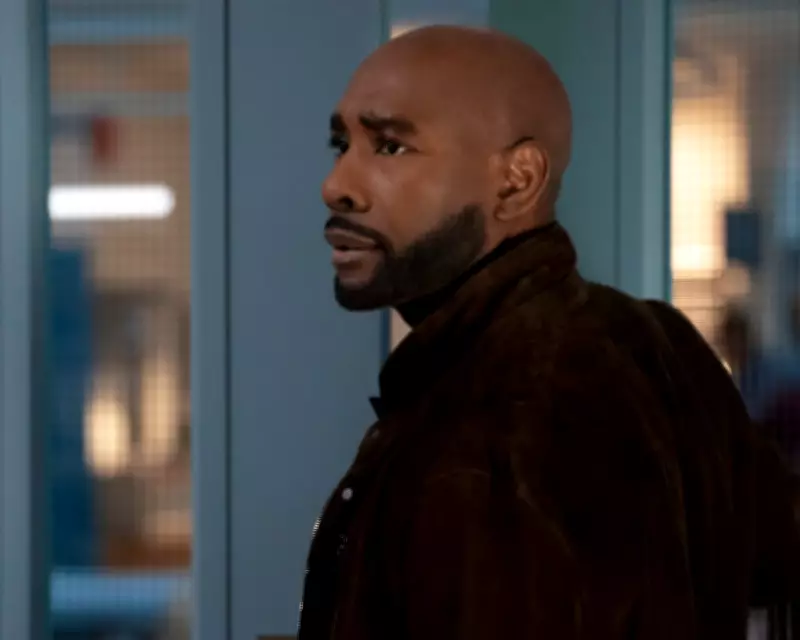
Morris Chestnut stars as the doctor in Watson, a series that cleverly merges the worlds of House and Elementary. This Sherlock Holmes spinoff, set in present-day Pittsburgh, follows Dr. John Watson, an American war veteran and former crime-solver in London, as he tackles a different medical mystery each week. The show, created by Craig Sweeny, a former writer-producer on Elementary, offers a fresh take on the Conan Doyle canon with a blend of procedural drama and Holmesian fan service.
A Cross Between House and Elementary
Watson is the latest effort by US network television to keep the Sherlock Holmes legacy alive, directly drawing inspiration from House's medical genius and Elementary's modern sleuthing. In season one, Watson, played by Morris Chestnut, led a team of eager junior doctors who often trailed behind him in diagnosing arcane conditions. The series kicked off with iconic lines like "The game's afoot" and nods to Sherlockian lore, including appearances by Irene Adler, Inspector Lestrade, and Mycroft Holmes. A standout moment featured an auditory hallucination of Sherlock, voiced by Matt Berry, adding a meta-layer to the show's playful approach.
For dedicated Holmes enthusiasts, the show promotes a minor character from the books, Shinwell Johnson, to a regular role. Portrayed by Ritchie Coster as a gruff yet golden-hearted fixer, Shinwell serves as Watson's aide, hinting at connections to Guy Ritchie's projects. The first season's major arc involved a blackmail plot by Moriarty, played by Randall Park, culminating in Watson's decisive action and personal growth, including moving on from his ex-wife Mary Morstan.
Season Two: Medical Mysteries and Emotional Depth
As a House-style case-of-the-week series, Watson excels, with Morris Chestnut embodying the titular character's charm and competence. Dressed in expensive cotton and linen, Chestnut's Watson is both a skilled detective and a charismatic figure, capable of handling emergencies with grace. In the season opener, he is called to save his ex-mother-in-law, who suffers from mysterious symptoms after using homemade bitter almond extract, potentially leading to cyanide poisoning.
The episode unfolds with Watson shifting from logical deduction to empathetic listening as the patient experiences rapid memory loss, believing she is a younger version of herself. Through a mix of old memories, evolving symptoms, and Watson's knack for uncovering obscure evidence, the story delivers an emotionally charged narrative reminiscent of shows like Long Lost Family. The junior doctors' romances and personal dramas add layers of schmaltz, making for solid weekly procedural fare with flashes of naughty wit, such as a scene where Shinwell stands before shelves of medical busts, subtly highlighting the show's playful tone.
Sherlock's Surprise Return and Future Prospects
Just as viewers settle into the medical drama, the end credits reveal a twist: Robert Carlyle appears as Sherlock Holmes, alive after his Reichenbach Falls plunge. This surprise sets the stage for season two to continue blending medical mysteries with Holmes worship, raising questions about whether the series can evolve beyond fan-pleasing references. While it was enjoyable to see Watson focus on other characters, Sherlock's return promises an uneasy mix that may define the show's future direction.
Watson airs on Sky Witness and is available on NOW, offering a unique take on the Sherlock universe that balances wit, emotion, and procedural intrigue. As the series progresses, it remains to be seen if it can carve out its own identity or remain a nostalgic trudge through Holmesian lore.