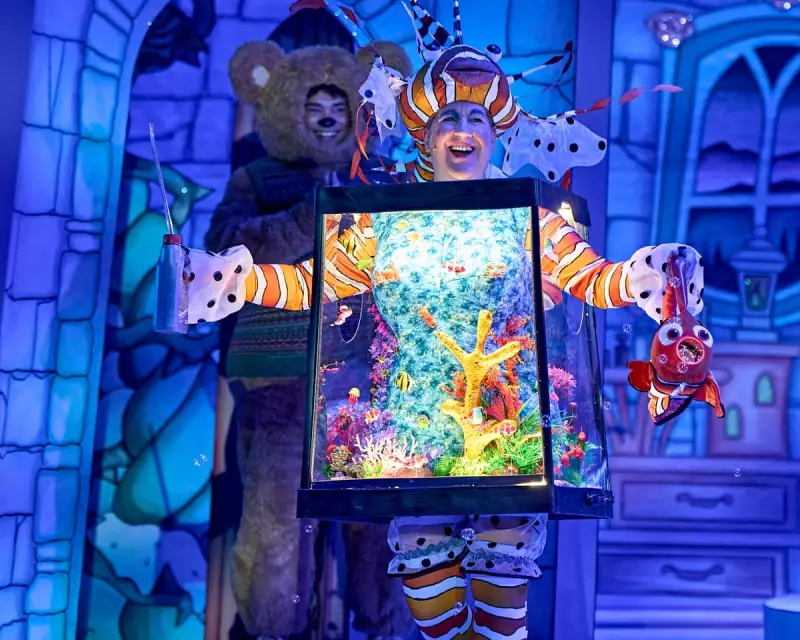
While the Christmas trees have been recycled and the tinsel packed away, the riotous world of British pantomime is refusing to bow out. Contrary to popular belief, the season of shouts, sweets, and sensational dames is far from over, with several major productions across the UK extending their runs deep into January and beyond, offering a potent antidote to the post-festive slump.
Keeping the Energy Alive Beyond Christmas
At Nottingham Playhouse, where Sleeping Beauty runs until this weekend, the tradition is a serious business. John Elkington, the venue's dame for nearly three decades who plays Nelly the Nanny, emphasises the cast's mission to maintain high spirits for audiences after the holidays. "Our job is to keep up the energy, not let it slip," he states, noting that for many families, the January performance is a cherished final treat. The Playhouse attracts around 40,000 visitors annually to its panto, with schedules adjusting from 12 shows a week pre-Christmas to six in the new year.
Elkington reveals a unique tradition: the riotous final night, where the crew play pranks on the cast, has become so legendary that patrons often return for a second viewing. He recalls an year when an "enormous pillow fight erupted" after crew and band members invaded the stage. For those who can't make it in person, Nottingham Playhouse is also offering the production on demand online until Saturday night.
A Vital Financial Lifeline for Theatres
The economic importance of these extended runs cannot be overstated. At Liverpool's Royal Court, The Scouse Christmas Carol has been extended due to popularity and now runs until 24 January. Executive producer and writer Kevin Fearon explains that the panto is "our perfect show of the year," encapsulating the venue's ethos of "great entertainment with a great atmosphere."
Financially, it's a powerhouse. The production is expected to generate around £1.4m in ticket sales alone, plus substantial revenue from food and drink. Fearon notes this income represents "more than half of our ticket sales for the year" and directly funds the theatre's other programming. Despite cost-of-living pressures, audience commitment to the annual panto remains steadfast, with word-of-mouth often boosting attendance in the final weeks.
Creating New Traditions in the New Year
Some venues have strategically moved panto entirely outside the Christmas rush. Brick Lane Music Hall in east London is launching Jack and His Giant Stalk on 22 January, with performances running until 7 March. Writer-director Lucy Hayes describes their offering as "a pantomime for grownups" – less risqué than adult-only shows but designed for a post-Christmas audience seeking levity.
Hayes explains the logic: "Christmas is such a busy period... people may have more time afterwards and they may need more cheering up, lifting out of the blues." This shift has created "its own tradition" and, as Hayes points out with a laugh, means "less competition for an audience than you'd find during the panto-stuffed month of December. We've made our own market." The 180-seat venue combines the show with a meal or afternoon tea, cementing its appeal as a complete night out.
These extended and late-season pantomimes demonstrate the format's enduring flexibility and appeal. They serve not just as entertainment, but as a communal beacon of fun during the darkest months, a critical revenue stream for regional theatres, and a testament to the unique, participatory magic that keeps British audiences coming back for more, long after the last mince pie is eaten.