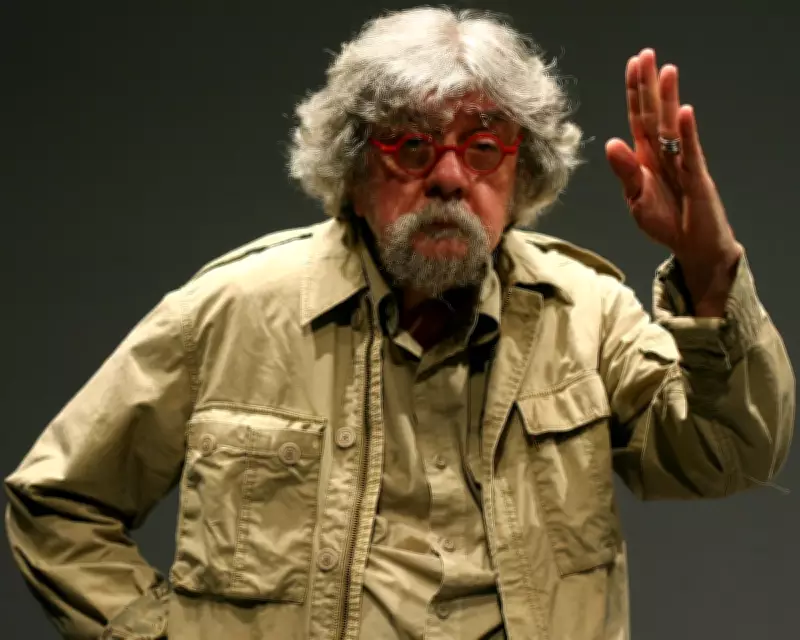
In the world of performing arts, few figures command as much respect and intrigue as Philippe Gaulier, the celebrated French clown teacher whose unconventional methods have shaped generations of actors and comedians. His latest teachings, gaining renewed attention, centre on a profound yet seemingly simple idea: the embrace of ridiculousness as a transformative force. This philosophy, far from being mere theatrical advice, offers valuable lessons for personal development and creative expression in everyday life.
The Art of Clowning: More Than Just Laughter
Philippe Gaulier, founder of the prestigious École Philippe Gaulier in Paris, has long been revered for his unique approach to clowning, which diverges sharply from traditional techniques. Rather than focusing solely on humour or slapstick, Gaulier emphasises the importance of vulnerability, authenticity, and, crucially, the willingness to appear foolish. His school, attended by notable alumni such as Sacha Baron Cohen and Emma Thompson, teaches students to shed their inhibitions and connect with their inner child, a process that often involves embracing moments of absurdity and failure.
Ridiculousness as a Creative Catalyst
At the heart of Gaulier's methodology is the belief that ridiculousness can serve as a powerful catalyst for creativity. By encouraging individuals to step outside societal norms and embrace the absurd, he argues that they unlock new perspectives and innovative ideas. This approach challenges the conventional fear of embarrassment, suggesting that what we often dismiss as silly or nonsensical can, in fact, lead to breakthroughs in art, problem-solving, and self-expression. In workshops, Gaulier guides participants through exercises designed to cultivate this mindset, fostering an environment where mistakes are celebrated rather than criticised.
Life Lessons Beyond the Stage
The implications of Gaulier's teachings extend far beyond the confines of theatre and comedy. In an era marked by high stress and perfectionism, his advocacy for embracing ridiculousness offers a refreshing antidote. By learning to laugh at ourselves and accept our flaws, we can reduce anxiety, build resilience, and enhance our relationships. This philosophy aligns with broader psychological principles, such as the benefits of playfulness and the importance of emotional agility in navigating life's challenges. Gaulier's insights remind us that joy and growth often emerge from the most unexpected, and yes, ridiculous, places.
Cultural Impact and Modern Relevance
Philippe Gaulier's influence on contemporary culture is undeniable, with his methods inspiring not only performers but also educators, therapists, and business leaders. In a world increasingly driven by digital personas and curated images, his call to embrace authenticity and ridiculousness resonates as a counter-cultural movement. It encourages a return to genuine human connection and creativity, free from the constraints of societal expectations. As more people seek ways to cope with modern pressures, Gaulier's lessons provide a timeless framework for finding humour and meaning in the mundane.
In summary, Philippe Gaulier's clown philosophy transcends the stage, offering a compelling case for why we should all embrace a bit of ridiculousness in our lives. Whether through art, work, or personal interactions, his teachings invite us to rediscover the power of play, vulnerability, and laughter as tools for a richer, more fulfilling existence.