Living Review: A Family Saga That Races Through Six Decades in Sheffield
Leo Butler's ambitious new drama Living at Sheffield Playhouse creates a whirlwind tour of modern history, compressing six decades into a single family's story. The play boldly races from 1969's moon landing through decimalisation, Thatcherism, and up to contemporary events like the pandemic and Ukraine conflict, all seen through the lens of a Sheffield council house in Burngreave.
A Historical Panorama Through Local Eyes
The production achieves something remarkable in its scope, ticking off global and local milestones with equal attention. From Vietnam and the Falklands war to Northern Rock and 9/11, the play weaves international events with Sheffield-specific references to Cabaret Voltaire, Nick Clegg, and Arctic Monkeys. This creates a rich tapestry that mirrors the experience of many British families navigating the shifting sands of modern history.
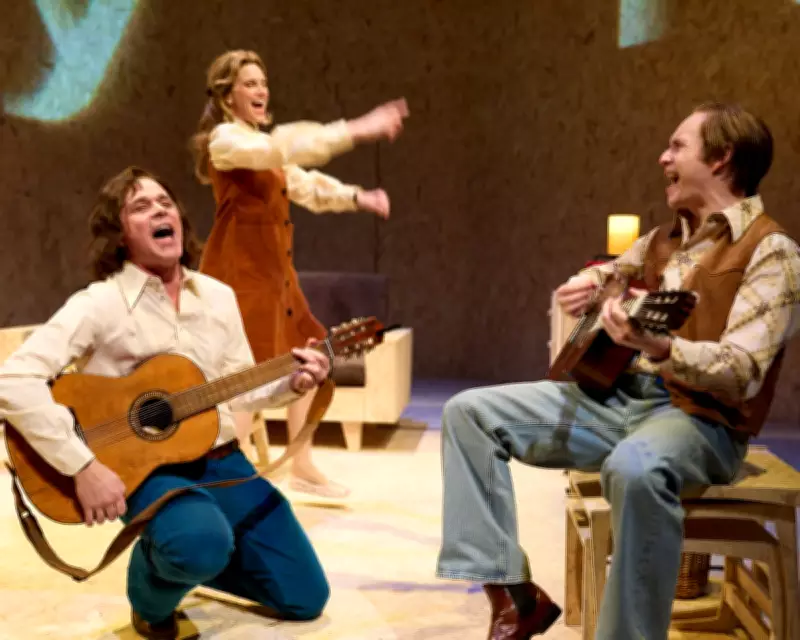
Abigail Graham's vigorous direction on Sarah Beaton's amorphous chipboard set keeps the energy high throughout the three-hour runtime. The production excels when showing how characters evolve with changing circumstances, particularly Kenny Doughty's transformation from striking agitator to Thatcherite materialist and Abby Vicky-Russell's journey from acid-house partygoer to warzone activist.
Strengths and Weaknesses in Execution
The play demonstrates particular strength in its political observations, offering sharp commentary on everything from feminism to contemporary social movements. However, when the narrative focus shifts toward domestic concerns like babies, illness, and aging, the production occasionally veers toward soap-opera sentimentality that undermines its broader political purpose.
Beaton's costumes effectively track changing fashions across the decades, while the ensemble cast delivers tremendous performances. Liz White as mother Kathy and Samuel Creasey as son Mike join Doughty and Vicky-Russell at the story's heart, charting subtle transitions from optimistic youth to damaged maturity with sensitivity and tireless commitment.
A Mirror Rather Than Analysis
Ultimately, Living works better as a mirror of collective experience than as deep political analysis. The endless closing sequence feels somewhat shapeless compared to the tightly focused historical progression of earlier scenes. Yet the production's ambition remains undeniable, capturing the essence of how ordinary lives intersect with extraordinary historical moments.
The play continues at Sheffield Playhouse until April 4th, offering audiences a compressed but comprehensive look at how six decades of change have shaped British family life and identity.