In the Print Review: Rupert Murdoch's Wapping Dispute Takes Center Stage in Tense Docudrama
Alan Bennett's The History Boys famously observes that "there is no period so remote as the recent past," a sentiment vividly embodied in Robert Khan and Tom Salinsky's gripping docudrama In the Print. Currently playing at King's Head theatre in London until 3 May, this production delves into the explosive 1986-87 Wapping dispute, pitting media mogul Rupert Murdoch against Brenda Dean, general secretary of the print union Sogat.
A Theatre Audience Spanning Generations
The opening nights attracted a diverse crowd, from Lord Kinnock—Labour party leader during the depicted era—to younger viewers who were barely born when Murdoch's News of the World ceased publication in 2011. This generational mix underscores the play's relevance, bridging historical memory with contemporary ignorance.
Thriller Elements and Subterfuge
Briskly staged by director Josh Roche, In the Print unfolds as a political thriller, with tension mounting around Murdoch's cunning strategies. A key plot point involves his use of a fake newspaper, The London Post, to mask the existence of the Wapping plant. This facility would ultimately print his regular titles with a deunionised workforce, a move that reshaped British media.
While some minor characters, such as Trades Union Congress boss Norman Willis—shown reciting sonnets at press conferences—are played for caricature, the script largely avoids heavy-handed hindsight. However, it does indulge in occasional irony, as when a character remarks that Labour's new communications director, "Peter" (Mandelson), seems reliable, drawing knowing chuckles from the audience.
Performances That Illuminate Historical Figures
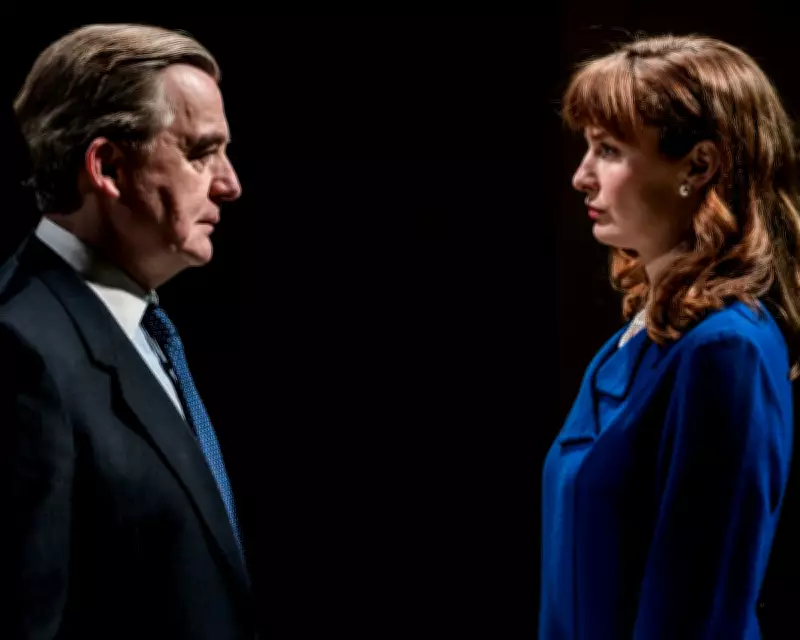
Alan Cox delivers a nuanced portrayal of Rupert Murdoch, blending pragmatism with fanaticism through light impersonation. Claudia Jolly's Brenda Dean brings natural likability to the union leader, making her surprising actions all the more impactful. Russell Bentley shines in dual roles, capturing the foul-mouthed bravado of Sun editor Kelvin MacKenzie and the steely determination of an Australian Murdoch apparatchik.
The play's most energizing moments come from Murdoch's contempt for British conventions, epitomized in a key line where he tells Dean, "I am more of a revolutionary than leftwing union members." This confrontation highlights the ideological clash at the heart of the dispute.
Historical Context and Legacy
In the Print joins a lineage of stage dramatizations about Murdoch, from James Graham's fair-minded Ink (2017) to last year's off-Broadway Murdoch: The Final Interview, which depicted the tycoon as a Trump-enabling Satan. Khan and Salinsky, known for previous works like Kingmaker and The Gang of Three, focus here on the Wapping conflict's broader implications.
The play leaves audiences to ponder whether Dean was outmaneuvered by a cleverer capitalist figure—Murdoch as her Thatcher—or if militant trade unionism was already doomed by Thatcherite reforms. The mantra that "nobody wants yesterday's newspapers" once empowered unions to make exceptional demands, but Wapping marked a turning point.
Reviving Yesterday's News
Through sharp dialogue and dynamic staging, Khan and Salinsky transform historical events into a headline-worthy theatrical experience. In the Print not only revisits a pivotal moment in media and labor history but also invites reflection on power, deception, and the enduring relevance of past conflicts in today's political landscape.