Georgina Duncan's 'Sapling' Wins Women's Playwriting Prize
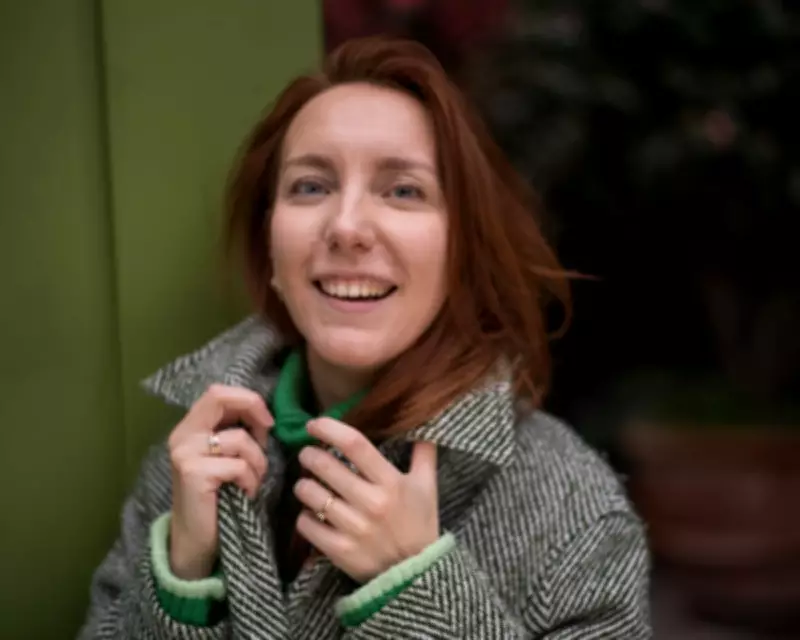
Georgina Duncan experienced a moment of disbelief when her name was called as the winner of the Women's prize for playwriting last week. The 30-year-old playwright recalls hearing Indhu Rubasingham announce the winner and thinking, "That could be any of the plays." Then reality hit: "Holy shit! This is the maddest thing that's ever happened to me."
A Play Born from Fear and Research
Set in Belfast during the 1990s, Sapling follows 16-year-old Gerry, whose older brother Connor was murdered a decade earlier by another child. Duncan describes the play as exploring "the scar tissue behind grief," a theme born from her own fear of loss. "Grief is something we all experience in our lives," she says. "And it frightens me."
Despite limited prior knowledge of the Troubles, Duncan immersed herself in Belfast's history through prison tours and conversations with local residents. She even rode in a black cab with driver Cedric to absorb the city's geography. "I paid them with a pint and a bowl of chips," she admits of her research methods.
From Actor to Award-Winning Playwright
Duncan's background as a trained actor—she graduated from the London Academy of Music and Dramatic Art in 2018 and performed in The Mousetrap—profoundly influences her writing process. "When I write, I do speak my play aloud like a madman," she explains. "Because I've said words in front of a live audience, I know what that feels like."
Her dedication to authenticity paid off: Sapling vividly portrays a scarred community with characters that actors will be eager to embody. Duncan wrote much of the play on her phone during commutes, often staying on tubes longer than intended when caught in a creative flow.
The Importance of Prizes for Emerging Writers
Duncan emphasizes the significance of awards like the Women's prize for playwriting, founded by producer Ellie Keel alongside Katie Posner and Charlotte Bennett of Paines Plough. "Prizes are one of the few things we've got that are sort of a level playing field," she notes, highlighting the challenges faced by emerging writers without industry connections.
The statistics underscore the need for such initiatives: in its 50-year history, the Olivier award for best new play has been won by a woman only seven times.
A Transformative Recognition
With the £20,000 prize money, Duncan plans to dedicate time to understanding her creative process more deeply. "This prize has completely changed my life," she says. For the first time, she feels confident calling herself a playwright: "I feel like I've been legitimised."
Duncan's journey from Lancashire childhood dreams of performing to award-winning playwright reflects her unwavering commitment to storytelling. Supported by her working-class parents who encouraged her artistic pursuits despite financial constraints, she now stands at the beginning of what promises to be a remarkable career.