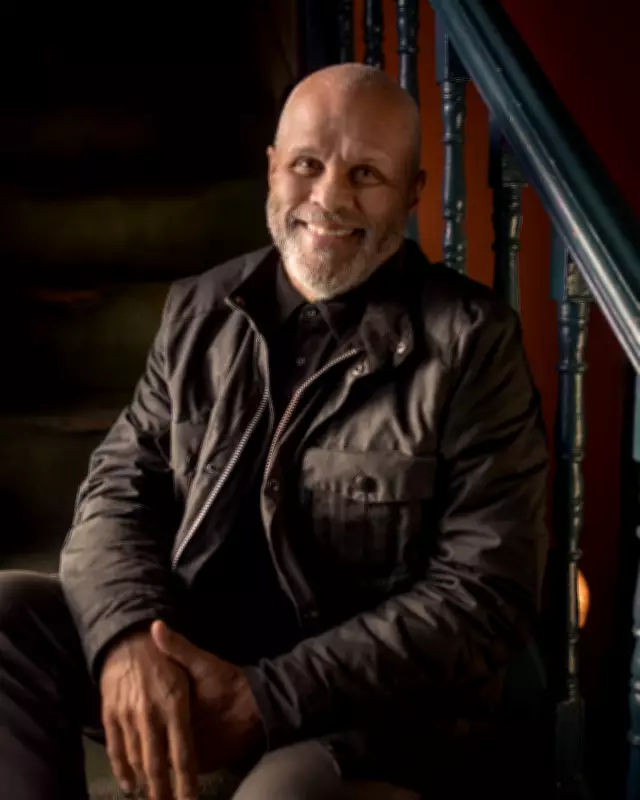
Gary Wilmot: The Unlikely Rise of a Showbiz Veteran
Gary Wilmot, a household name for generations, has carved a remarkable path from humble beginnings to theatrical stardom. Now 71, he reflects on a career spanning over five decades, marked by reinvention and resilience. In an exclusive interview, Wilmot shares insights into his latest venture, a comedy play titled While They Were Waiting, which debuts in London this month.
From Comprehensive School to Comedy Stages
Wilmot left school at 15 with limited literacy, describing his comprehensive education in south London as a failure. He worked as a scaffolder and forklift driver, never imagining a career in showbusiness. However, friends recognized his comedic talent and pushed him toward an agent. At 21, he began taking lessons from an impressionist, paying £5 an hour to learn the basics of performance. "I found something that everyone else thought I was good at," he recalls, noting the joy of making people laugh from a young age.
A Career Built on Versatility and Tenacity
Wilmot's breakthrough came as a finalist on the TV reality contest New Faces in the late 1970s. He hosted children's shows like So You Want to Be Top? in the 1980s and later transitioned to musical theatre when TV variety declined. Notable roles include Bill Snibson in Me and My Girl and Elisha J Whitney in the Olivier-winning Anything Goes. Despite younger audiences often unfamiliar with his name, Wilmot has never lacked work, attributing his longevity to adaptability and a focus on entertainment over ego.
New Play: A Beckett-Inspired Comedy
His latest project, While They Were Waiting, is a comedy about two men bonded by a shared wait, drawing comparisons to Samuel Beckett's Waiting for Godot. Wilmot stars opposite Steve Furst in the production at Upstairs at the Gatehouse in London. Interestingly, he had never seen Beckett's play until recently, attending a West End production that left him perplexed. "I haven't got a clue what's going on," he admits, showcasing his trademark honesty.
Personal Reflections: Family and Identity
Wilmot's father, Harry Wilmot, arrived in Britain on the Empire Windrush in 1948 and was a professional singer. His mother, a white British dancer, faced disownment from her family for marrying a Black man. Wilmot reflects on the challenges they endured in postwar Britain, expressing regret that his mother died just before his TV success. He also shares emotional moments, such as recognizing his father in Windrush footage and meeting a fellow passenger from the famous photograph.
Race and Authenticity in Theatre
Growing up as a Black boy in a predominantly white community, Wilmot faced racism but responded with humor. He notes that his first experience of racial barriers in theatre came in the 1990s, when skin color limited role opportunities. Today, he observes a shift toward inclusivity, sometimes involving box-ticking, but appreciates the increased opportunities for Black and Brown performers. "It's a made-up world," he says, emphasizing the actor's role in making audiences believe in the performance.
Legacy and Future Endeavors
Wilmot's career exemplifies old-school tenacity, with a willingness to perform in any venue. He has written previous plays staged at his village hall in Tring, including one about a man who believes he's a horse. Despite claiming he wasn't ambitious until his 60s, his natural shapeshifting has led to continuous evolution. While They Were Waiting runs from February 26 to March 22, offering audiences a glimpse into his latest creative chapter.