Cynthia Erivo's 'Dracula' Stumbles in Kip Williams' Tech-Heavy London Stage Return
Cynthia Erivo, the acclaimed star of Wicked, makes a long-awaited return to the London stage in Kip Williams' production of Dracula at the Noël Coward Theatre. However, this highly anticipated homecoming is marred by the Australian director's overreliance on pre-recorded video, which often overshadows Erivo's live performance.
A Tech-Driven Vision That Misses the Mark
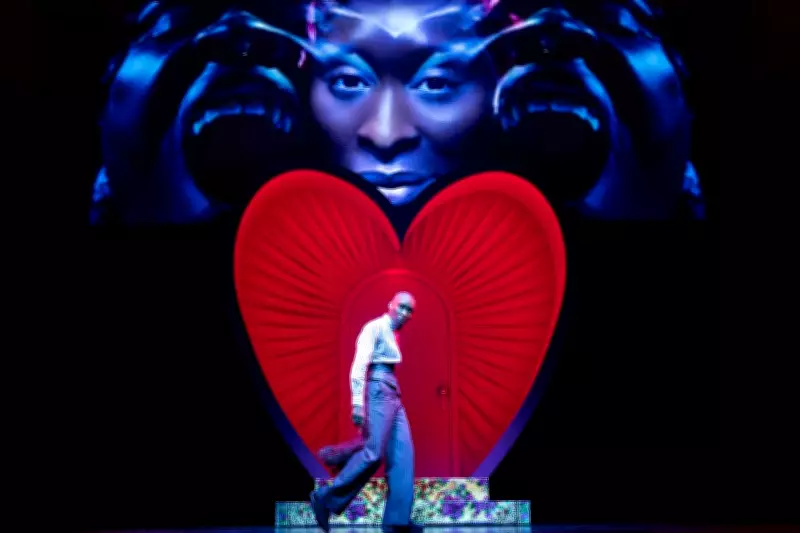
Williams, known for his innovative use of technology in theatre, employs an aggressively tech-heavy style in this adaptation of Bram Stoker's classic vampire novel. While his previous work, the one-woman Dorian Gray, earned Sarah Snook a Tony and an Olivier award, Dracula struggles to balance live and filmed elements. The production features Erivo portraying 23 roles, but the extensive use of pre-recorded footage—sometimes showing up to four gigantic versions of her on screen—diminishes the impact of her on-stage presence.
In group scenes, Erivo often plays the straight-laced Dr. John Seward, relegated to the background while her pre-recorded counterparts dominate. This creates a disconnect, as the massive screen overshadows the technically impressive live work. Aesthetically, the production is darker than Dorian Gray, with a thrilling electronic score by Clemence Williams, but odd wigs and facial hair on the pre-recorded Erivos add a goofy tone.
Highlights and Shortcomings in the Adaptation
The opening section is a standout, with Erivo narrating Jonathan Harker's visit to Dracula's castle in a tight, gripping manner that honors the novel's epistolary form. When Dracula appears with luminous red hair and a West African lilt, the dynamic between the live Harker and video-only Count works well, cleverly inverting the vampire's invisibility in mirrors.
Erivo shines as a burningly intense performer, bringing charisma and subtle humor to her roles. Her stylish, implicitly African Count is particularly fascinating, and her movie-star looks are enhanced on the giant screen. However, as the action moves to London and the character count rises, the plot becomes compressed and confusing. Key elements, like Renfield's role, are rushed, making it difficult to follow the narrative even for those familiar with the book.
Williams' decision to change the ending abruptly feels jarring, lacking proper setup. Despite these flaws, his bold experiments in video-driven theatre are commendable and often effective in other contexts.
Erivo's Performance Amidst Directorial Challenges
Erivo remains game and charismatic, delivering her best as a cog in Williams' elaborate machine. However, when an actor ties their comeback to a specific directorial vision, even a superstar like Erivo can do little if that vision falters. While Dracula has the air of awards bait, it ultimately stumbles under the weight of its own technological ambitions.
In summary, this production offers moments of brilliance but is hindered by an imbalance between live performance and pre-recorded video, leaving Erivo's talents somewhat lost in the shuffle.