Dracula Review: Cynthia Erivo Overwhelmed in Tech-Heavy Stage Adaptation
Tuesday 17 February 2026 11:34 pm
By: Adam Bloodworth, Features Journalist
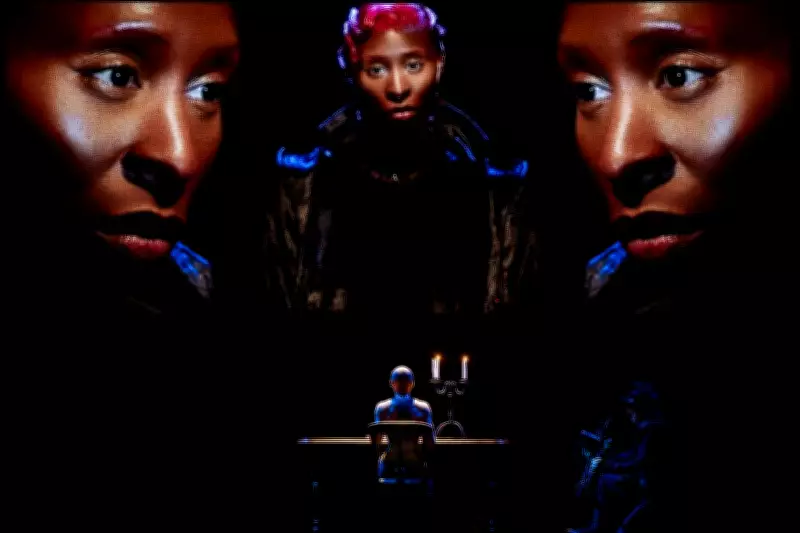
Cynthia Erivo is playing Dracula and 22 other characters in a new stage adaptation, but the production is dominated by an overwhelming use of technology that detracts from the live theatre experience. In Kip Williams' version of Bram Stoker's classic novel, giant video screens play pre-recorded segments so frequently that it often feels more like watching a film at the cinema than being in a theatre.
An Overreliance on Video Technology
The trend of incorporating live video into theatre productions, popularized by director Jamie Lloyd around a decade ago, reaches a new extreme here. While some of Lloyd's works, such as Sunset Boulevard, have been criticized for prioritizing style over substance due to excessive video use, this Dracula adaptation lacks even the stylish flair. Instead, it presents a relentless and immersive video experience that overshadows the live performance.
At the centre of this technological storm is Cynthia Erivo, famous from the Wicked movies, who struggles to keep up with the demands of playing 23 different characters. She misses her lines on several occasions, a challenge that few actors could handle successfully. For instance, Sarah Snook of Succession managed a similar feat in 2024's The Picture of Dorian Gray, but here, Erivo is often engulfed by the production's overwhelming nature.
How the Production Undermines Live Acting
Rather than physically transitioning between roles by changing costumes or positions, Erivo interacts with pre-recorded versions of other characters projected on video screens. This means approximately 95 percent of the action occurs on these screens, with Erivo frequently standing with her back to the audience, reciting lines to digital counterparts. This approach is deeply unsatisfying and frustrating for theatregoers who expect a live show, as it disassociates the audience from the emotional heft and immediacy of live performance.
Erivo is rarely seen acting directly to the audience for more than fleeting moments. Too often, she is performing for cameras operated by stagehands dressed in black or is hidden behind massive projections. The device never feels authentic, often seeming like Erivo is merely talking to pre-recorded versions of herself, which diminishes the connection with the live audience.
Issues with Narrative and Stagecraft
Williams' adaptation lifts text too faithfully from Stoker's novel, resulting in an overabundance of narrative that makes some scenes feel overly long and tedious. Key moments are not explored in depth, as the production rushes through tonnes of plot points. The insistence on using only one actor necessitates a series of stagehands moving props around, but the direction is often clunky and further disrupts the immersion.
In one notable scene, a stagehand removes the lid of a coffin supposedly containing Dracula in such a haphazard manner that it cheapens the drama. The props feel like secondary elements compared to the constant screen action, making it hard to believe in their significance, even when video segments suggest otherwise. Video consistently takes precedence, rendering the physical props meaningless and undermining the theatrical illusion.
A Fleeting and Underwhelming Climax
By the time Erivo's Dracula finally appears, the moment feels underpowered and underwhelming, brushed aside in favour of loud music and special effects. This fleeting encounter, like much of the acting, is lost amidst the technological spectacle, leaving audiences with a sense of disappointment rather than dramatic fulfillment.
Dracula with Cynthia Erivo is playing until 30 May at the Noel Coward Theatre, but this review suggests that the production's heavy reliance on technology may not satisfy those seeking a genuine live theatre experience.