Cynthia Erivo's Dracula Adaptation Lacks Bite in London Stage Show
Sharp angles and sinews define Cynthia Erivo's appearance as Dracula in the new stage adaptation at London's Noël Coward theatre. The Wicked star takes on all characters from Bram Stoker's classic vampire tale in this one-woman show, but the production struggles to capture the essential horror elements that make the story timeless.
Modern Vampire Meets Technological Distraction
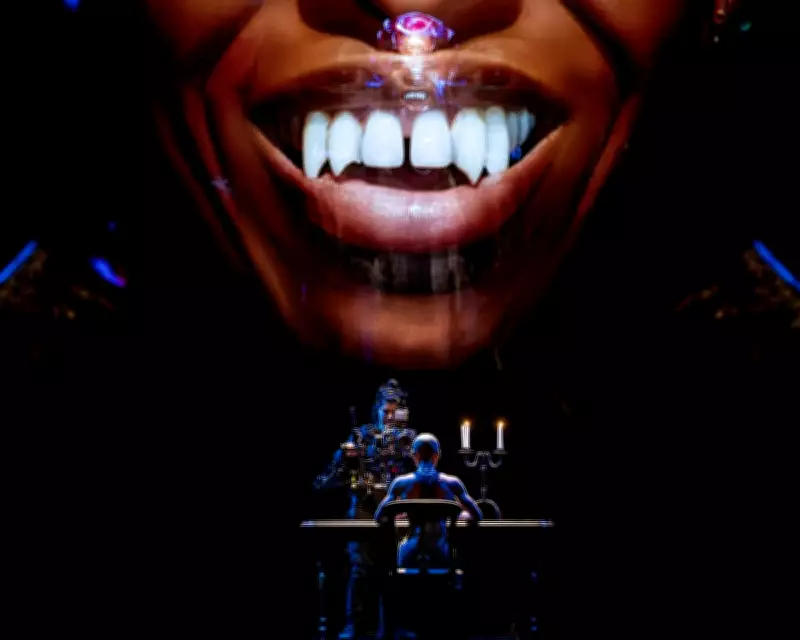
Erivo presents a magnificent modern interpretation of Dracula with piercings, tattoos, and the sharp, pointed nails reminiscent of F.W. Murnau's Nosferatu. Her physical transformation is striking, appearing initially in vest and trousers with all the angular intensity the role demands. However, the production's heavy reliance on technology creates a barrier between audience and performance.
A team of camera operators projects live stage action onto a gigantic screen, merging it with pre-recorded footage. While this technique has been used successfully in other West End productions, it proves ill-suited to the horror genre. The technological approach distances viewers from the dread that should permeate Dracula's story, drawing attention away from Erivo's live performance toward screen closeups.
Narrative Structure Undermines Dramatic Tension
The adaptation preserves the epistolary form of Stoker's original novel, presenting the story primarily through narrated diary entries with only occasional snippets of dialogue. This creates the sensation of an audiobook accompanied by visual illustrations rather than a dynamic theatrical experience. Erivo narrates swiftly, using accents and quick costume changes to differentiate characters, but the atmosphere remains surprisingly sedate.
Despite Erivo's technical skill in switching between characters—from Dracula with his pink-red wig and African-inflected accent to Jonathan Harker in pinstripes with a clipped British accent—the production lacks the feverish intensity and peril essential to vampire lore. Characters verge on simplistic, with Van Helsing appearing particularly ludicrous as a gothic Gandalf figure with long white locks and a strange goatee.
Missing Horror Elements and Untapped Potential
The production attempts to explore the battle between fear and desire central to Dracula's story, but delivers neither chill nor heat. Dracula himself brings no genuine threat, even during his blood-sucking scenes in Whitby. The flashes of fangs lack diabolicism, while the three vampire women fail to convey seduction. A giant love heart that appears on stage feels more chocolate-box than sexually suggestive, and while a snow scene creates some atmosphere, an overall sterility undermines emotional momentum.
Notably absent is any exploration of the story's relevance as a cautionary tale about dangerous outsiders and immigrants—a theme with significant contemporary resonance given Dracula's characterization as plague-like vermin when he arrives on British shores.
Glimpses of What Might Have Been
Erivo offers a tantalizing glimpse of her singing voice toward the production's conclusion, raising hopes that are quickly dashed when the moment becomes merely a few exquisitely sung lines rather than a full song. This highlights the production's failure to utilize Erivo's considerable strengths, suggesting the material might have been better served as Dracula the Musical.
The adaptation runs at the Noël Coward theatre in London through May 30th, presenting a technically proficient but emotionally flat interpretation of one of literature's most enduring horror stories. While Erivo demonstrates impressive versatility in portraying multiple characters, the production's structural choices and technological emphasis ultimately defang what should be a terrifying theatrical experience.