The Battle Review: Britpop Rivalry Revisited in Blur vs Oasis Stage Comedy
In the annals of British pop culture, few rivalries have captured the public imagination quite like the 1995 chart battle between Blur and Oasis. John Niven's new play, The Battle, attempts to dramatize this iconic moment when the two bands released singles in the same week, sparking a cultural divide that came to symbolize a nation split between north and south, working class and bourgeois sensibilities.
Nostalgic Setting but Limited Drama
Currently playing at Birmingham Rep before moving to Manchester Opera House, the production is steeped in 1990s nostalgia. Fly Davis's set design recreates period locations from Alexandra Palace during the Brit Awards to recording studios and members-only bars, complete with deckchairs, bar stools, and fancy couches that populated the era. The script is peppered with references that will delight Britpop enthusiasts, name-dropping everyone from Shed Seven and Chris Evans to Keith Allen, while Beavis and Butt-Head-style cartoons cover scene changes.
However, despite this rich historical backdrop, the production struggles to generate genuine dramatic tension. As one critic noted, "So many chairs but so little drama." The play frequently finds its characters sitting rather than engaging in dynamic action, with quarrels substituting for deeper conflict.
Character Portrayals and Missed Opportunities
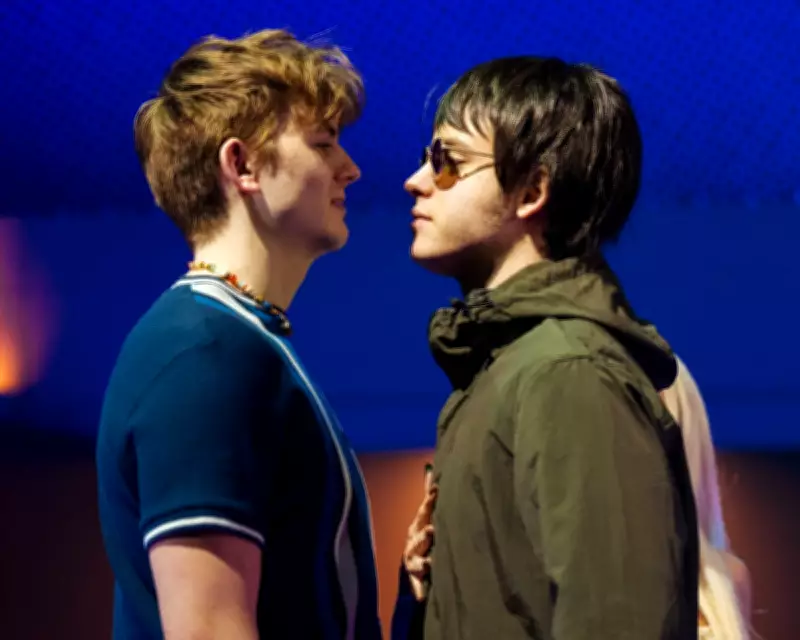
The cast features Oscar Lloyd as Damon Albarn and George Usher as Liam Gallagher, with Will Taylor playing a bookish Graham Coxon and Paddy Stafford as a grimacing Noel Gallagher. These performances capture the surface mannerisms of the pop icons but rarely delve beneath to explore what truly drove their rivalry beyond musical competition.
The play covers key moments from the period, including the recording of Oasis's "Roll With It," Blur's arguments about the sexual politics behind their "Country House" video, and Noel Gallagher's infamous 1995 interview with Miranda Sawyer where he wished Blur's singer and bass player would "catch Aids and die." Yet these potentially explosive incidents often feel like historical reenactments rather than living drama.
Cultural Significance Versus Theatrical Execution
Niven, a novelist turned playwright, clearly understands the cultural significance of the Blur-Oasis rivalry. His script acknowledges how these bands became flag-wavers for Britpop while simultaneously representing a divided nation. The question of which song would reach number one—Oasis's "Roll With It" or Blur's "Country House"—was framed as a battle that would define the country's mood.
Director Matthew Dunster's production remains largely chair-bound until a jarring, Tarantino-esque finale that attempts to inject dramatic momentum through sheer theatricality. This sudden shift in tone creates an illusion of action but feels disconnected from what precedes it.
Audience Appeal and Historical Context
For those who lived through Britpop's heyday, The Battle offers a nostalgic trip back to 1995, complete with period details and familiar personalities. The play successfully feeds the audience's appetite for reminiscence, reminding viewers of pop's last great moment of cultural tension before the digital age transformed music consumption.
Yet as theatre, it falls short of translating this historical moment into compelling drama. The production runs at Birmingham Rep until March 7 before transferring to Manchester Opera House from March 17-21, giving audiences in both cities a chance to revisit this defining chapter in British music history, even if the theatrical execution doesn't fully capture the era's explosive energy.