The State of British Theatre in 2026: A Congregation Under Pressure
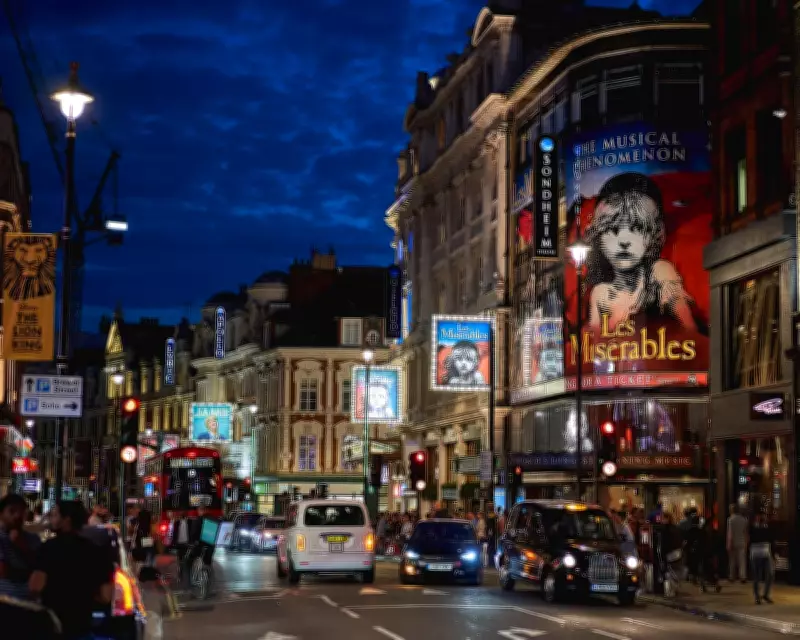
In 2026, British theatre stands as a beacon of cultural vitality, drawing 37 million attendees across the UK last year alone. The West End, outpacing Broadway with 3 million more fans, continues to captivate audiences with star-studded events like the Olivier awards, featuring luminaries such as Rosamund Pike and David Harewood. However, beneath the glittering surface of packed seats and bustling bars, the industry grapples with profound financial pressures that threaten its long-term resilience.
Financial Squeeze Amidst Strong Audiences
A joint report by UK Theatre and the Society of London Theatre reveals a stark tension: while demand remains robust, with West End revenue exceeding £1 billion and supporting 100,000 jobs, theatres are absorbing inflation rather than passing on full costs to consumers. This strategy has led to falling real-terms ticket prices since 2019, squeezing margins and prompting forecasts that a third of sector organizations will face operating deficits this year. The report underscores that talent and audience interest are abundant, but scale, access, and financial stability are at risk.
The Rise of Celebrity Casting and Its Impact
Arifa Akbar, the Guardian’s chief theatre critic, highlights a dominant trend: the proliferation of celebrity casting, which now permeates even subsidised theatre. This shift has marginalized trained theatre actors, many of whom resort to secondary jobs like delivery work to sustain their careers. Akbar notes that a decade or two ago, non-celebrity actors could headline productions, but today, big names from film and television are essential to drive bookings. This phenomenon alters the theatre-going experience, with audiences often reacting more to stars than the plays themselves, as seen in reactions to Sarah Jessica Parker and Matthew Broderick performances.
Escalating Ticket Prices and Access Concerns
Concurrently, ticket prices in the commercial West End have surged to a new normal, with costs reaching up to £350 without public outcry. This escalation raises critical questions about access and representation, potentially pricing out diverse audiences and limiting who can participate in this cultural congregation. The affordability crisis, exacerbated by the cost of living, threatens to narrow the demographic that engages with live theatre.
Creative Risks and Renewal in a Challenging Landscape
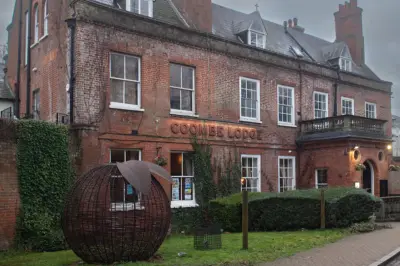
Despite these pressures, the industry shows signs of innovation and renewal. Immersive theatre is gaining traction, particularly among younger audiences seeking experiential engagement over passive observation. Productions like I Do, which involves audiences moving through hotel rooms during a wedding preparation, exemplify this trend. Producers such as Nica Burns, with the new-build Soho Place theatre, are injecting fresh energy into the West End. Moreover, revivals of classic works, like Arthur Miller’s All My Sons, are being reimagined to resonate with contemporary issues, such as corruption scandals, ensuring relevance beyond nostalgia.
Progress and Persistent Gaps in Representation
Theatre has made strides in on-stage diversity, with increased representation of disabled performers and broader cultural inclusion. Nearly three-quarters of respondents in the sector report programming that reflects community diversity, achieved through outreach, school partnerships, and workforce investments. However, challenges persist, including a stalled gender pay gap where women in the cultural sector earned 85p for every £1 men made in 2023, marking a second year of widening disparity. Akbar emphasizes the need for vigilance to prevent backsliding on these gains.
The Enduring Cultural Power of Theatre
At its core, theatre retains a unique ability to provoke, unsettle, and linger in the minds of audiences long after performances end. Award-winning dramas exploring justice themes at the Oliviers, alongside crowd-pleasers like Paddington: The Musical, highlight this dual capacity for depth and entertainment. Akbar asserts that, despite financial strains and creative compromises, theatre remains a vital congregation in public life, offering a space for collective reflection and cultural dialogue that few other art forms can match.
In summary, British theatre in 2026 is a study in contrasts: thriving in popularity and creativity, yet financially fragile. The industry must navigate celebrity dominance, rising costs, and access barriers while fostering innovation and inclusivity to ensure its congregation endures for future generations.