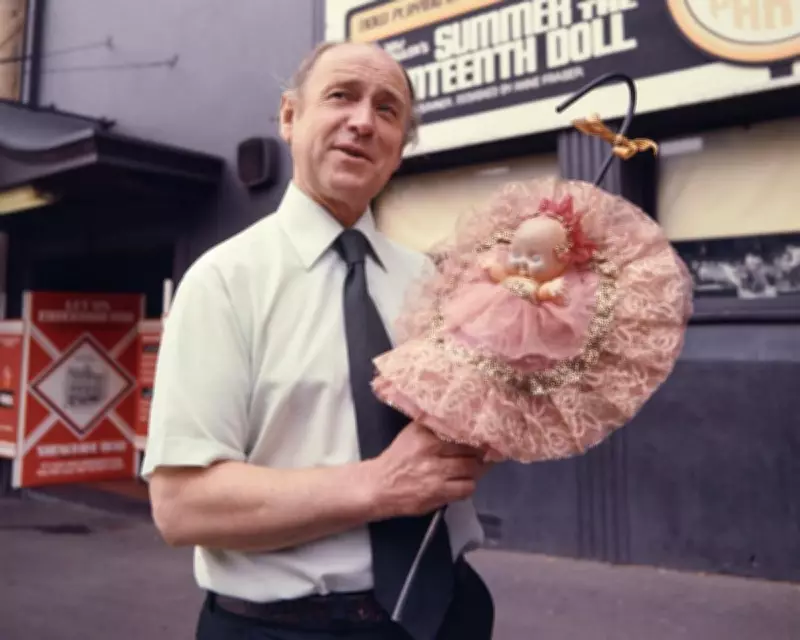
Binge Theatre Phenomenon: The Enduring Power of 'Summer of the Seventeenth Doll'
In an era dominated by digital streaming and fleeting entertainment, the concept of "binge theatre" has emerged, inviting audiences to immerse themselves in classic works that stand the test of time. At the forefront of this trend is Ray Lawler's seminal Australian play, Summer of the Seventeenth Doll, which continues to crackle with life and relevance seven decades after its first performance.
A Groundbreaking Australian Masterpiece
Premiering in 1955, Summer of the Seventeenth Doll broke new ground in Australian theatre, offering a raw and unflinching portrayal of working-class life, love, and disillusionment. Set in Melbourne, the play follows the annual reunion of two sugarcane cutters, Roo and Barney, with their barmaid lovers, Olive and Nancy, exploring themes of aging, tradition, and shattered dreams. Its authentic dialogue and emotional depth resonated deeply, challenging the conventions of its time and establishing it as a cornerstone of national drama.
Why It Still Captivates Modern Audiences
Seventy years on, the play's appeal remains undiminished, thanks to its universal themes and powerful character dynamics. Key factors contributing to its longevity include:
- Timeless Emotional Core: The struggles with identity, relationships, and the passage of time are as poignant today as in the 1950s, allowing contemporary viewers to connect on a personal level.
- Cultural Significance: As a landmark in Australian theatre history, it offers insights into post-war society and the evolution of dramatic storytelling, making it a valuable piece for educational and cultural enrichment.
- Production Revivals: Regular stagings by theatre companies worldwide, including recent adaptations in London and Sydney, have kept the play fresh and accessible, introducing it to new generations.
- Binge-Worthy Narrative: Its intense, character-driven plot lends itself to immersive viewing experiences, aligning with the modern appetite for deep, engaging content beyond passive consumption.
The Legacy and Future of Classic Theatre
The enduring success of Summer of the Seventeenth Doll highlights a broader trend in the arts: a renewed appreciation for classic works that offer substance and emotional resonance. In a fast-paced world, audiences are increasingly drawn to plays that provide meaningful reflection and cultural continuity. This revival not only honours Lawler's legacy but also underscores the importance of preserving and celebrating theatrical heritage in an ever-changing landscape.
As theatre-goers seek out richer, more immersive experiences, productions like this demonstrate that great art transcends decades, continuing to inspire, challenge, and entertain. Whether through traditional performances or innovative adaptations, the play's crackling energy ensures it will remain a vital part of global theatre for years to come.