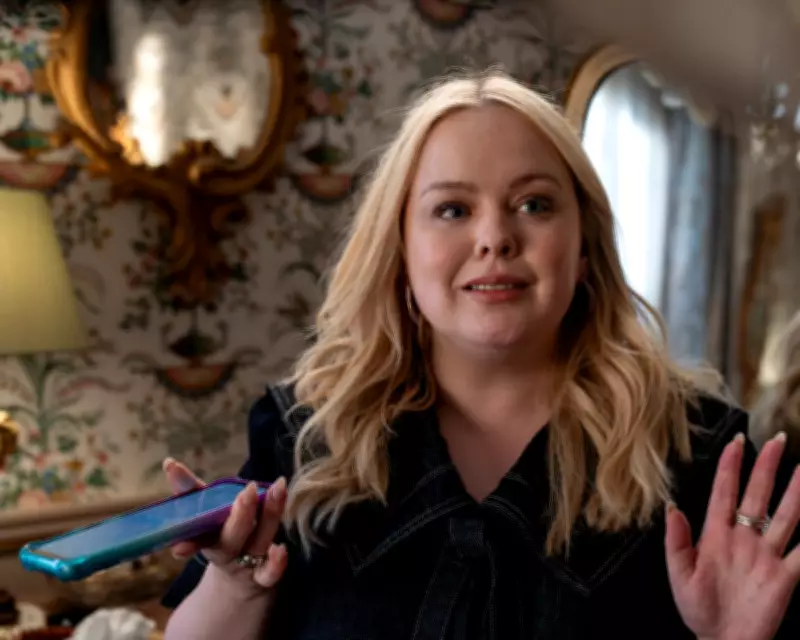
Big Mood Season Two Review: Ambitious Comedy Shifts to Relationship Farce
In her so-called 'stable girl era,' Nicola Coughlan portrays Maggie in the Channel 4 comedy drama Big Mood, a series that has undergone a significant transformation for its second outing. The show, created by Camilla Whitehill, originally delved into nuanced explorations of bipolar disorder, but now it pivots toward a knockabout tale of a fractured friendship, which may not always resonate with audiences.
From Bipolar Insights to Chaotic Farce
The first season of Big Mood offered a deeply insightful look at bipolar disorder through the character of Maggie, a playwright grappling with manic and depressive episodes. Nicola Coughlan, known for her roles in Bridgerton and Derry Girls, externalized Maggie's inner turmoil with remarkable empathy and precision. The narrative centered on Maggie's decision to stop her medication, leading to a harrowing experience with lithium poisoning due to a prescription error. This portrayal was both realistic and heartfelt, blending absurdity with the serious realities of mental illness.
However, the series also juggled wacky sitcom elements and self-conscious quirk, which sometimes clashed with its more profound themes. Additionally, it explored the intense bond between Maggie and her best friend Eddie, played by Lydia West from It's a Sin. Their dynamic raised compelling questions about friendship, as Eddie grew resentful of their unbalanced support system and ultimately fled to California without explanation, leaving Maggie behind during her health crisis.
A New Direction in Season Two
In the second season, Big Mood shifts focus dramatically. Maggie has recovered from her lithium poisoning and is now in a more stable phase of her life, embracing routines like retinol use and meal planning. Yet, she remains haunted by Eddie's absence, as her friend has been incommunicado for a year. The plot kicks off with the wedding of a mutual acquaintance, teasing a potential reconciliation. Maggie navigates absurd wedding antics, including a militant maid of honor and a hunt for a secret husband, before the central intrigue unfolds.
Eddie returns under the influence of a wellness guru named Whitney, who has drained her finances and aims to sever her ties with Maggie completely. This storyline transforms Big Mood into a farcical exploration of their damaged relationship, with Maggie teaming up with Eddie's friend Will to expose Whitney as a scammer. The series layers knockabout comedy over a painstaking dissection of their rift, but this new direction may not be easy for viewers to invest in.
Challenges in Character Consistency and Viewer Engagement
One of the key issues with this season is character consistency. Eddie, originally depicted as smart and cynical, now falls for a grift that seems out of character, making her arc less believable. Meanwhile, Maggie, despite Coughlan's empathetic performance, continues to exhibit destructive behaviors that justify Eddie's initial decision to distance herself. The platonic romance between the two, once intoxicating in their youth, now appears toxic, raising questions about whether it's time for both characters to move on.
Humour and charm are subjective, and some viewers might appreciate the messy millennial dynamics and broad-strokes comedy. The show does occasionally offer substantial dramatic insights, but overall, the shift from a nuanced mental health narrative to a relationship farce may leave audiences divided. Big Mood remains ambitious, but its latest season struggles to balance its comedic and dramatic elements effectively.
Big Mood is currently airing on Channel 4 in the UK, with streaming available on Stan in Australia and Tubi in the US and Canada.