The Webbernaissance: Andrew Lloyd Webber's Unexpected Cool Revival
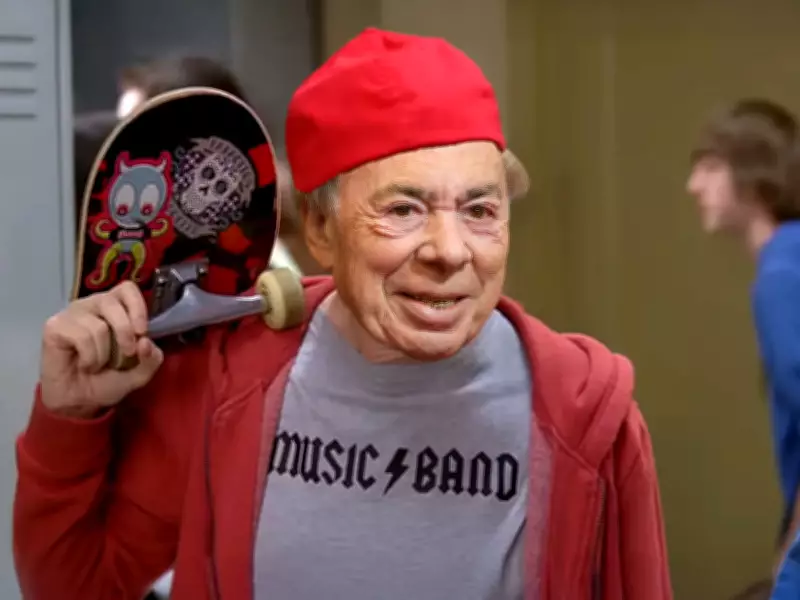
It might be an overstatement to claim Andrew Lloyd Webber has become cool again, as that suggests he was ever cool to begin with—or is cool now. Yet, something undeniable is happening in the theatre world. Forty years ago, Webber was Britain's top cultural export of the 1980s, achieving a popularity akin to Ed Sheeran's today: massively prolific but lacking the critical acclaim of peers like Stephen Sondheim. His most praised works, such as Jesus Christ Superstar, focused on religious themes, but during his peak, he could turn any idea, like rollerskating trains, into a financial juggernaut.
The Decline and Resurgence of a Theatre Icon
Webber's imperial phase faded by the mid-1990s. In recent decades, his biggest hit was the adaptation of School of Rock, a pleasant but unremarkable effort, while later projects like Cinderella flopped on Broadway. The film version of Cats was widely panned, hitting a low point for cinema. However, a shift has occurred over the past decade, with Webber's historical works gaining an unexpected coolness, whether he approves or not. In a recent interview, Webber expressed mild criticism of director Jamie Lloyd, a key figure in this revival, hinting at tensions over creative interpretations.
Key Productions Driving the Webbernaissance
The turning point came with the Regent's Park Open Air Theatre's grungy 2016 production of Jesus Christ Superstar, which offered a stylish, impressionistic take that treated the show as inherently cool. This production is set to hit the West End this summer. Jamie Lloyd accelerated the trend with his 2019 revival of Evita, which evolved post-pandemic into a global sensation. His 2023 revival of Sunset Boulevard was hailed as the year's best show, and a reworked Evita became a Gen Z favorite, making headlines for its innovative street performances.
Beyond Lloyd, other directors are reimagining Webber's classics. In New York, Cats: The Jellicle Ball presented a fresh, queer-influenced off-Broadway version in 2024, now heading to Broadway. An immersive Phantom of the Opera adaptation, Masquerade, has received positive reviews. In the UK, Luke Sheppard's family-friendly revival of Starlight Express used immersive elements like actors skating past audiences. This summer, the Open Air Theatre will debut the first UK revival of Cats, signaling a new era for these timeless works.
Why This Revival Is Happening Now
Compared to his peer Cameron Mackintosh, who restricts new productions of his hits to minor updates, Webber has embraced risk by allowing innovative directors to reinterpret his work. Webber's musicals, with their big tunes and eccentric subjects—from Argentinian dictators to phantom operas—inspire creative teams. Unlike composers focused on the human condition, Webber's peak output was wildly varied, fueling director imaginations. Ultimately, Webber himself has enabled this revival, moving away from polished rehashes like a mid-2010s Cats update with a rapping character. By granting creative freedom, he has allowed his works to evolve beyond their original '80s bombast, which may have previously stifled their potential.
For years, original productions of Cats, Starlight Express, and Phantom of the Opera dominated the West End, but now only Phantom remains. This shift suggests that preserving these shows in their original forms might have held them back. Like a rebirth, Webber's works are experiencing a second coming, free from past cringe, as they adapt to contemporary tastes and director visions.