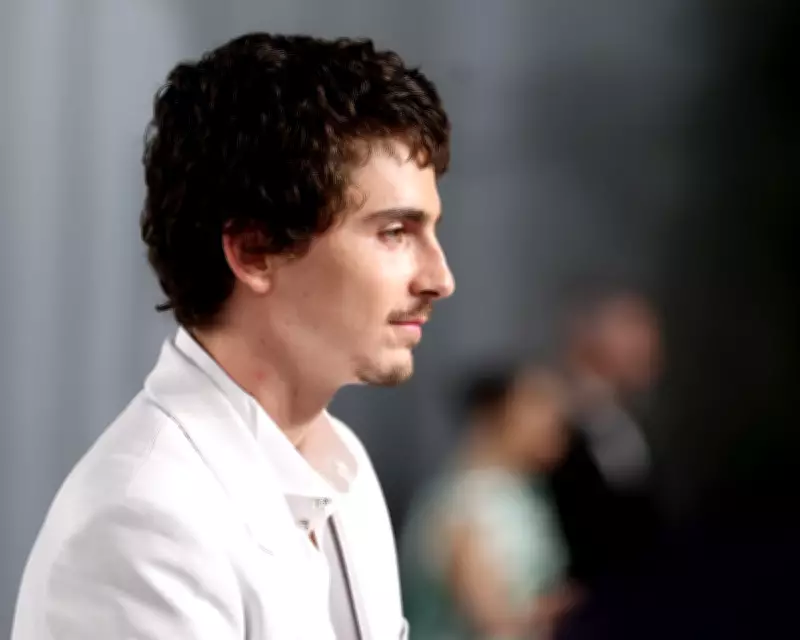
Timothée Chalamet's Opera Comments Ignite Cultural Debate
Timothée Chalamet's recent remarks questioning the relevance of opera and ballet have stung the arts sector, yet perhaps they should not have surprised it. Every generation seems to produce someone ready to declare these art forms obsolete, but century after century, they continue to endure, evolving and moving audiences in profound ways.
The Enduring Legacy of Opera and Ballet
In a recent interview, Chalamet mocked why we should "keep this thing alive, even though like no one cares about this any more." This reductive take confuses popularity with cultural value. Opera and ballet have survived wars, revolutions, censorship, and centuries of cultural upheaval not as relics, but as living art forms that demand immense physical and emotional dedication.
Opera singers train for decades to produce sound powerful enough to carry over a full orchestra in theatres designed before amplification existed. Ballet dancers push the limits of human anatomy, making music seem to take physical form. These disciplines are constantly reinterpreted and evolving, with entire communities of artists collaborating to bring them to life.
Community and Accessibility in the Arts
Hundreds of people, including orchestras, conductors, composers, choreographers, designers, and technicians, work together to create performances that exist only in a single shared moment. When successful, these art forms move audiences to tears without retakes, CGI, or editing. Artists should understand the devotion required to master an art form; mocking another discipline often exposes ignorance rather than irrelevance.
Opera and ballet remain among the most complex, disciplined, and beautiful artistic achievements humanity has produced. The outdated idea is that art must be trendy to matter, not the art forms themselves.
Opera North's Success Story
Rebecca Humphries rightly notes that finger-wagging won't save opera. At Opera North, audiences are growing and becoming younger. The company is expanding from four to seven productions in the 2026-27 season, forecasting a new high in annual revenue. Recently, over 1,200 first-time opera goers attended a "pay what you can" performance of La Bohème, many of them young and working-class, challenging stereotypes of opera as elitist.
Chalamet's comments may have stung, but the answer lies in audacity, accessibility, and meeting new audiences, not in pearl-clutching.
The Role of Arts Education
What often goes unmentioned in such debates is education. School music and dance departments constantly fight for resources, staffing, and funding. At higher education levels, neglect in school arts provision shows in reduced interest and professional development. Funding for teachers and equipment is crucial to expose people to music and dance early, fostering lifelong engagement or careers.
Politicians who dismiss arts degrees may not realize how arts education networks underpin creative industries like film and television. Healthy opera and ballet companies, along with wide engagement, are symptoms of a culture that values arts in schools.
In summary, Timothée Chalamet's comments have sparked a necessary conversation about the value of traditional art forms. Opera and ballet are not dead; they are vibrant, evolving, and essential parts of our cultural fabric, supported by dedicated artists and accessible initiatives that ensure their future.