Timothée Chalamet Ignites Global Debate on Opera and Ballet's Future
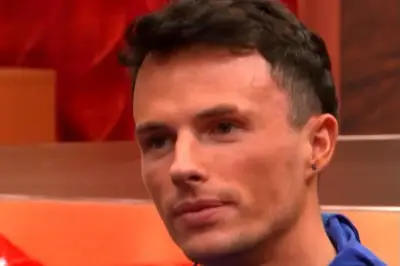
In a recent conversation with Matthew McConaughey for Variety, Oscar contender Timothée Chalamet made headlines by stating that no one cares about opera or ballet anymore. His comments, which included a follow-up nod of respect to practitioners, have sparked widespread backlash and a crucial dialogue about the survival of these classical art forms.
Industry Responses and Audience Challenges
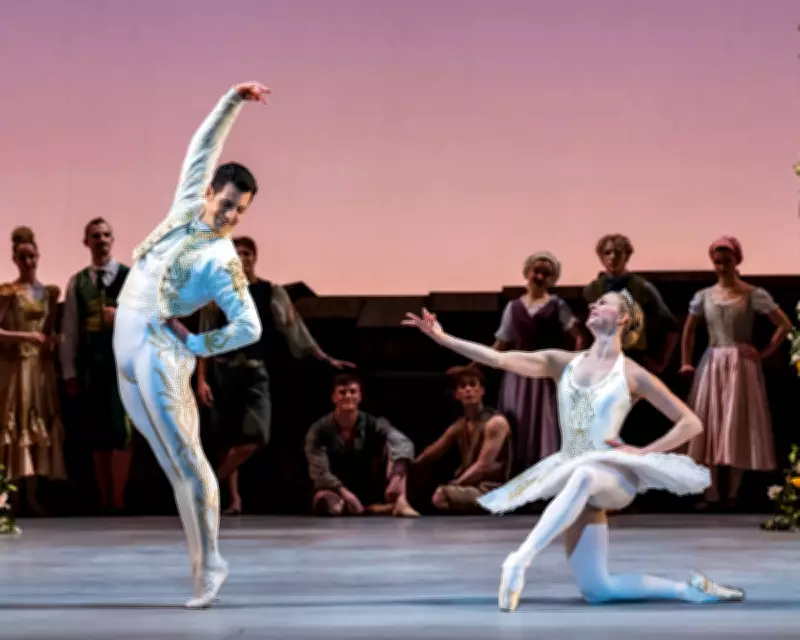
Major institutions like New York's Metropolitan Opera and the UK's Royal Ballet and Opera have defended their relevance, pointing to packed auditoriums and the creative efforts behind productions. However, post-Covid declines in audience numbers have led to fewer stage shows and job losses, highlighting an urgent need for renewal.
Performers such as ballerina Misty Copeland and tenor Andrea Bocelli have publicly rebuked Chalamet, with Bocelli even inviting him to a concert. Yet, the debate underscores a deeper issue: virtue signaling about art versus actively supporting it through ticket purchases.
Snobbery and Accessibility Barriers
The discourse has often turned sour, with snobbery and elitism silencing productive conversations. Ballet dancer Amar Smalls defended high ticket prices by comparing them to luxury dining, but this attitude risks alienating potential newcomers. For many, especially from working-class backgrounds, opera and ballet feel inaccessible and unwelcoming.
Initiatives like the English National Opera's free tickets for under-21s and Young RBO's affordable offers for 16- to 25-year-olds aim to attract youth, but they rely on pre-existing interest. In a world of streaming and digital distractions, these art forms struggle to compete for attention.
Learning from Other Industries
Theatre and cinema offer valuable lessons. Quentin Tarantino's upcoming West End play and bold moves by new artistic directors at major theatres show how blockbuster programming alongside classics can drive revenue. Similarly, Chalamet's innovative marketing for films like "Marty Supreme" demonstrates how to broaden appeal beyond niche audiences.
Last year's post-pandemic high in UK cinema box-office revenue contrasts with opera and ballet's struggles, suggesting that audacity and inventiveness are key to attracting crowds.
A Path Forward for Opera and Ballet
To thrive, opera and ballet must stop finger-wagging and start listening to feedback from young people like Chalamet. Embracing audacious projects, such as commissioning contemporary artists or creating modern adaptations, could revitalize interest. Rather than dismissing criticism, these art forms should view it as a conversation starter for necessary evolution.
Ultimately, the goal is not to erase tradition but to blend it with innovation, ensuring opera and ballet remain vibrant for centuries to come. Thanking Timothée Chalamet for sparking this debate might be the first step toward a brighter future.