Sat in a dark screening room holding a bingo card with phrases such as 'What's P in V?' and 'The most white-meat virgin,' I expected to spend my evening giggling immaturely over innuendos and awkward sexual encounters. Instead, I found myself incredibly, genuinely moved.
A Show That Defies Expectations
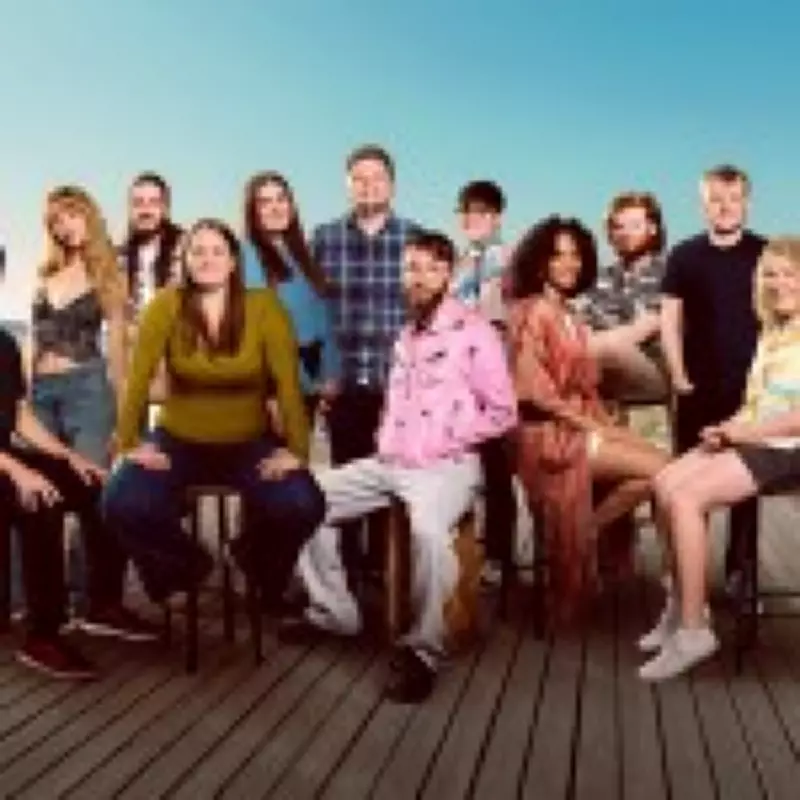
In a few days, Virgin Island, one of Channel 4's most talked-about shows of 2025, returns for season 2. The premise is exactly as it sounds: 12 people who have never had sex arrive on an island to work on their intimacy issues in the hope that eventually they will feel comfortable enough to do the deed, either during this experience or one day in the future. They are looked after by a team of sex therapists who take a very hands-on approach with their work, in the literal sense.
These specialists believe that to help people feel more comfortable having physical contact with others, they need to practice with professionals who know what they are doing. Some experts are 'surrogate partner therapists,' qualified to have sex with participants as part of their work, as well as 'sexological bodyworkers.' And yes, this is legal.

The two main therapists on the island are Dr Danielle Harel and Celeste Hirschmann, who together created the Somatica Method, described as 'an experiential approach that combines emotional connection with practical tools to build confidence, communication and intimacy.'
From Skepticism to Appreciation
When Virgin Island was first announced last year, I had reservations. I feared the show could take advantage of vulnerable individuals, broadcasting their biggest insecurities for the nation to see. I did not watch the first season in full, but what I heard from viewers and critics surprised me. This apparently was not the shock-value show many expected. While some argued it was 'exploitative,' others called it 'deeply authentic' and 'surprisingly touching.'
For season 2, the idea that cast members do not know what they are signing up for carries less weight. This time, they have seen season one, know the conversation it stirred, and understand the process to a far greater degree. But no one could fully prepare them for the soul-baring journey ahead.
Stories That Hit Home
Certain members of the group stood out to me as I watched the first episode in an audience of fellow journalists and participants. One was Joy, an event coordinator from Falmouth. Joy suffers from vaginismus, a condition causing extreme pain when she tries to insert anything into her vagina. This prevents her from having sex, using tampons, or even having a smear test. It was the same condition last season's Pia also suffered from.
But Joy's struggles are not solely physical. She tells the camera and a therapist that she has a 'sexual side' she wants to let out, but she is also dealing with huge amounts of religious shame, so much so that she thought God caused her vaginismus to prevent her from having sex. During the first exercise, pairs sat in front of the group gently touching each other on areas like hands and arms to practice physical intimacy. My heart went out to Joy as she sat there in floods of tears, unable to participate.
There is Alex, a 28-year-old data analyst from Exeter with debilitating performance anxiety who puts so much pressure on himself to be perfect that he is scared about not being able to get an erection. Bertie, a 24-year-old event volunteer from Taunton, feels so socially awkward that he can barely maintain eye contact for a second. Ellen, a childcare practitioner from Haywards Heath, feels gutted to be a virgin at 35 and applied after watching season one.
'I'd felt alone and embarrassed about my anxiety around sex and intimacy, and I wanted support to build confidence in my sexuality and finally feel comfortable giving and receiving pleasure,' she revealed.
A Shift in Perspective
That, in a nutshell, is why my view on Virgin Island has changed. Controversial it may be, there is no denying the impact it has made on audiences watching at home. The virgins who go on the show are not weird, despite feeling that way. So many of their issues are common but treated as taboo by society and not spoken about enough.

As the sex therapists explained at the screening, many who struggle in secret have no idea that they do not have to, that help is available. Even if some viewers cannot relate to the hardship of wanting to be sexually active but not knowing how to get there, they might see themselves represented through other insecurities addressed on the programme, such as body image issues or not feeling as though they are enough.
If Virgin Island can make people feel seen or less alone while spreading important messages of consent and empowerment, then I am all for it.
Virgin Island season 2 premieres on Monday April 27 at 9pm on Channel 4.