At the Karlovy Vary film festival, Mark Cousins presented two chapters of his monumental new series, The Story of Documentary Film, focusing on the 1980s. The series comprises 16 hour-long chapters; episodes eight and nine were screened. Cousins, a documentary-maker and critic, uses his unmistakable voice to educate, intrigue, and challenge, inviting viewers into an ecstatic trance-like state as he free-associates between films with a discreetly emphasised theme.
Empathy and the Fall of the Berlin Wall
Chapter eight begins and ends at Checkpoint Charlie on the Berlin Wall, which fell at the end of the decade. Cousins subtitles this episode with a line from Robert Frost: “Something there is that doesn’t love a wall.” The theme is empathy, surmounting the obstacle of indifference or ignorance. He discusses films that questioned the existing order and helped collapse the Soviet wall. The second part, chapter nine, is subtitled “detectives,” focusing on investigative documentaries that demanded answers about the wartime past, featuring filmmakers like Marcel Ophuls, Claude Lanzmann, and Michael Moore.
Cinephile Gags and Music Documentaries
Cousins often includes cinephile gags. Ophuls, director of Hotel Terminus: The Life and Times of Klaus Barbie (1988), compared his sleuthing to TV detective Columbo; Cousins inserts a clip from an episode directed by a young Steven Spielberg. This episode also focuses on music documentaries, cheekily beginning and ending with Jimmy Somerville and Bronski Beat, an intensely 1980s sound.
Treasure Trove of Clips
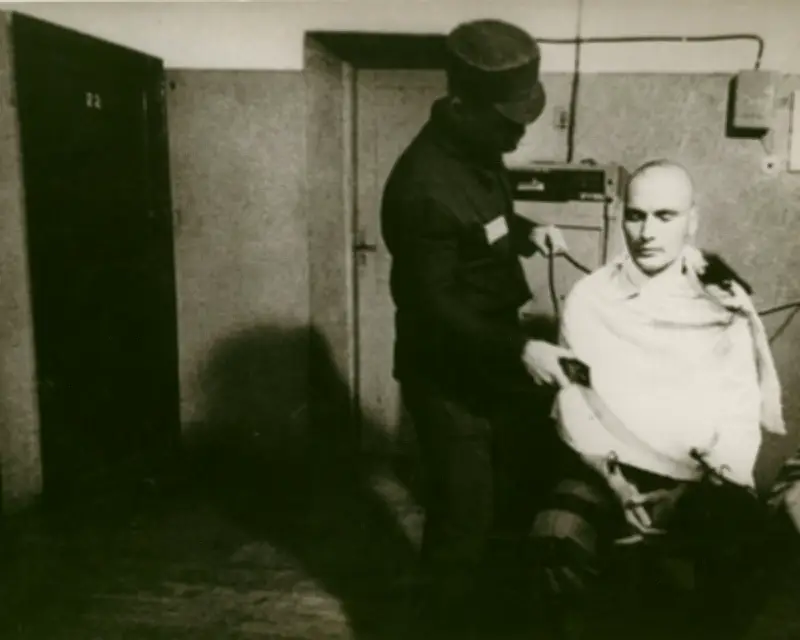
The episodes are a treasure trove. A gripping clip comes from The Last Judgement (1987) by Latvian director Herz Frank, a Dostoyevskian film about a man on death row for murder who claims to love all mankind, even his executioners. From Latvia, Juris Podnieks’s Is It Easy to Be Young? (1986) captures youth culture’s rebellious energy challenging Soviet mediocrity. In the west, Jan Troell’s Land of Dreams (1988) questions Sweden’s conformist progressive politics.
Campaigning Documentaries
Chapter nine features big beasts of campaigning documentaries, like Moore’s Roger and Me (1989), which Cousins says channels the spirit of Frank Capra and small-town decency. From Brazil, Edouardo Coutinho’s Twenty Years Later (1984) tracks the filmmaker’s mission to find the widow and children of a socialist leader assassinated two decades prior. In Japan, Kazuo Hara’s The Emperor’s Naked Army Marches On (1987) tackles Japanese war crimes, controversially using actors to ignite confrontation scenes.
Humorous and Downbeat Moments
There are humorous moments too. Cousins quotes Iranian director Abbas Kiarostami’s Homework (1989), where a child is asked if he prefers homework or watching a foreign TV programme – The Wombles. Cousins notes he was hoping to include a Wombles clip.
Missing Element: Theatrical vs. TV Documentary
If anything is missing from these episodes, it may be how many of these films were seen in the cinema versus on TV. Cousins may address this elsewhere in the series. The rise of Michael Moore in the 1980s led to a spate of theatrically released campaigning documentaries in the 2000s, all inspired by Roger and Me. The Story of Documentary Film (The 1980s) screened at Karlovy Vary film festival.