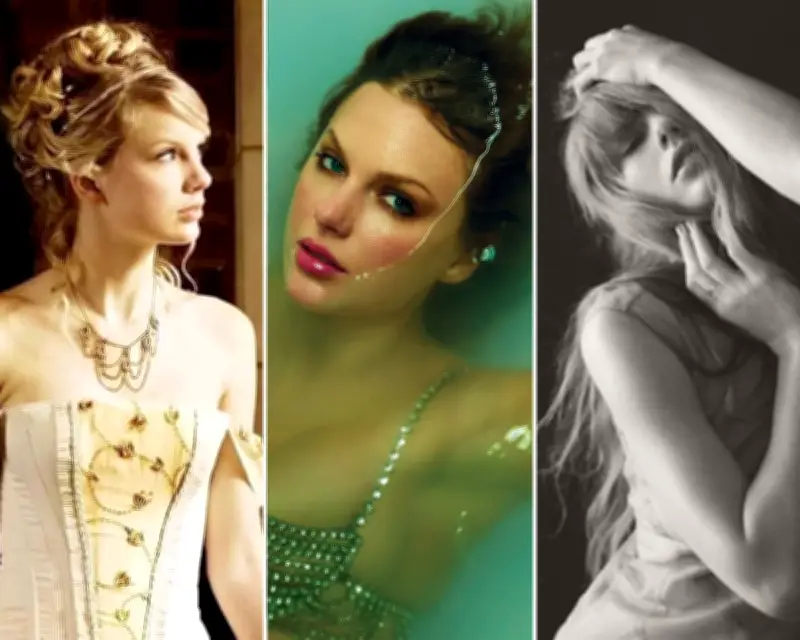
Taylor Swift, widely perceived as a romantic figure, has predominantly written love songs troubled by strife, ghosts, and delusion. Ahead of her wedding to Travis Kelce, a closer look at her songwriting over 20 years reveals a nuanced relationship with commitment.
Early Rejections of Fairytale Endings
At 19, Swift sang in White Horse (2008): "I'm not your princess, this ain't our fairytale … It's too late for you and your white horse to catch me now." Despite rewriting Romeo and Juliet to end in marriage in Love Story and imagining a stolen boyfriend in You Belong With Me, she rejected the prince-rescuing-princess trope. This rejection aligns with many women of her generation, who have a complicated relationship with marriage's implications.
Ambition Over Domesticity
On her 2022 album Midnights, Swift made clear she would ditch any man who stood between her and her ambition. In Midnight Rain, she sang: "He wanted a bride / I was making my own name." In Bejeweled, she addressed a neglectful partner: "I miss you … but I miss sparkling." Only God or Swift herself can end her story, she suggests.

The Fear of Domesticity
Swift's narrators often flee from story-ending domesticity. In Champagne Problems (2020), the narrator reflects: "Sometimes you just don't know the answer 'til someone's on his knees and asks you." She imagines being called "fucked in the head" by her jilted lover's family, yet she simply couldn't say yes. Marriage appears as a real goal in early tracks like Mary's Song (2006) and Call It What You Want (2017), but it represents a new chapter, not an ending.
A Different Kind of Fairytale
Swift's songs often capture a fantasy where a partner who hurts you cares enough to change. This subtler story is the one she has perfected: love that is difficult but real. In Love Story, she sang: "This love is difficult / But it is real." This ideal spans her 12 albums, emphasizing love that is chased, let go, healing, breaking, and never easy.
Surprising New Themes
At the Songwriters Hall of Fame induction in January, Swift quoted Kate Capshaw: "Good and true things are easy." This marks a new theme for Swift, whose sweetest love songs carry an unmistakable trace of doom. On Lover, she admits: "I'm highly suspicious that everyone who sees you wants you." Across 12 albums, she has only about a dozen secure, un-haunted love songs.
So High School and The Tortured Poets Department
So High School (2024) is a giddy, carefree song about the pleasures of letting a man be nice to you. Swift uses internal rhyme to create a magical sonic space. The Tortured Poets Department dismantles precocious dreams: the lover who promised to return is Peter Pan; the con man sells a "get-love-quick scheme." The album's thesis, from But Daddy I Love Him, is that "growin' up precocious sometimes means / Not growin' up at all."
Struggling to Depict Happiness
On The Life of a Showgirl, Swift struggled to depict happiness, falling back on manufactured conflicts. Eldest Daughter confronts the problem of writing about joy after years on the defensive. The bridge paints a picture of love as "ferris wheels, kisses, and lilacs," but getting there requires sitting through Swift singing: "I'm not a bad bitch." If real love feels easy, maintaining that joy in music is not.
Marriage as a New Beginning
Some fans believe marriage will end Swift's story, but for Swift, marriage has always been the beginning of another story. She is likely to continue writing about happiness in all its complexity. As she might say, sometimes a prince really does show up on a white horse, but there's no telling where that horse will travel.