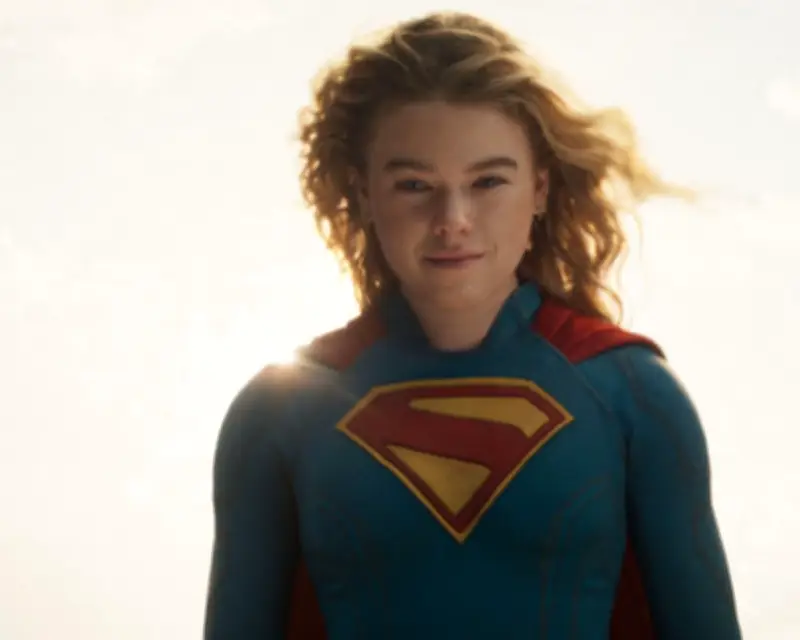
Craig Gillespie's Supergirl is a far-out adventure that stands as a quirky oddity compared to bigger blockbuster outings, yet it may prove revealing for the future of James Gunn's DC Universe. The film follows Kara Zor-El, a Kryptonian who spent her early years on Argo watching everyone around her being slowly poisoned by kryptonite radiation, leading her to behave unlike a typical superhero. When orphaned Ruthye Marye Knoll begs for help to avenge her family's deaths at the hands of brigand leader Krem of the Yellow Hills, Kara initially ignores her, only acting when her dog Krypto is poisoned and her ship is stolen.
A Different Kind of Superhero
Unlike Superman, who sees his powers as a gift, Kara spends much of her time traveling to red sun planets to get drunk. The film expands the DC universe into a functioning intergalactic community, with a space-western feel reminiscent of Star Wars or Guardians of the Galaxy. As Kara journeys from planet to planet, she encounters a lawless frontier where technology has advanced but gender equality lags behind, with shades of Mad Max: Fury Road and Unforgiven.
A Bold Change from the Source Material
In Tom King and Bilquis Evely's acclaimed comic Supergirl: Woman of Tomorrow, Kara persuades Ruthye that killing Krem will not mend her soul and imprisons him in the phantom zone. In the film, Supergirl herself executes the space pirate. Screenwriter Ana Nogueira suggested this change was to avoid a too-neat journey from nihilistic party girl to cosmic saint. According to Nogueira, the film's perspective is more ambiguous, offering frontier justice that Superman might not approve of.

Lower Stakes, New Direction
By the end, Kara has only taken down one villain and helped a grieving girl. This reflects a trend toward lower-stakes drama in blockbuster genre films, similar to The Mandalorian and Grogu. Superhero movies have often avoided self-contained stories in favor of apocalyptic spectacle, but Supergirl suggests room for smaller, stranger tales. However, the film's mixed reception indicates audiences may not be ready for such a shift. As the article notes, "if superhero films really are the new westerns, they can't all be High Noon. Some will need to be True Grit in a cape."