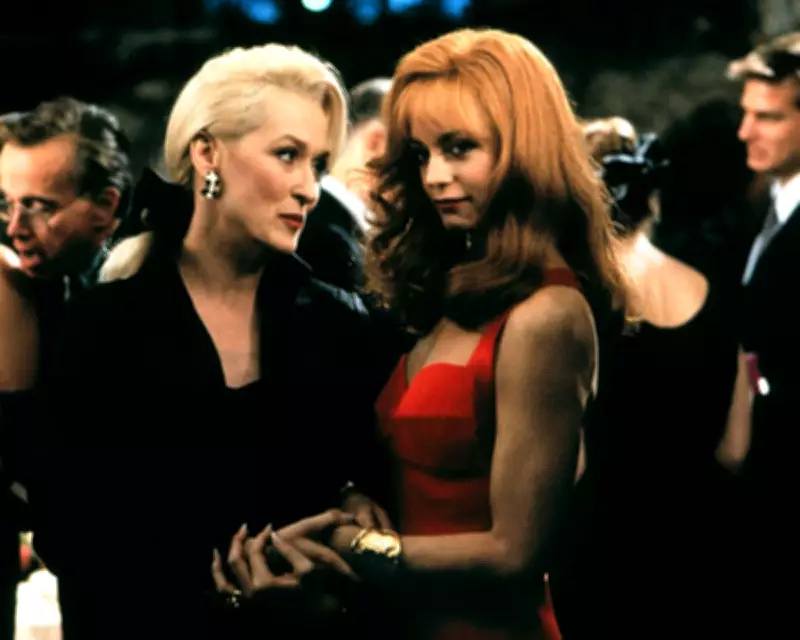
In a recent interview with Vanity Fair, Meryl Streep has revealed a long-standing grievance with her Death Becomes Her co-star Goldie Hawn: chronic lateness on set. The revelation, coming 33 years after the film's release, breaks Hollywood's unwritten rule that casts are always described as "one big happy family."
The Allegations
Streep stated, "She had a red convertible, I remember, and she'd drive herself to set. She had her hair all … 'Oh gosh, sorry!' And everybody thought: 'Oh, she's so cute.'" This comment suggests that Hawn's tardiness was perceived as endearing rather than disruptive.
When questioned about the allegations, Hawn cheerfully admitted, laughing, "I think I'm 15 minutes late to everything. I do. I mean, honestly, it's unbelievable. But it is our joke, she said I was too late on the set. Maybe she's too early. I don't know."

No Hard Feelings
Streep clarified that she holds no grudge: "I loved her. I love her. She's one of my buddies." However, the actress also highlighted the annoyance of habitual lateness, noting that she herself is always on time.
The article argues that being late is never cute, especially when unapologetic. It suggests that chronic tardiness sends a message that one's time is more valuable than others'. The piece calls out the "weaponised incompetence" of those who treat lateness as an endearing affliction beyond their control.
The Impact of Tardiness
The author contends that unpunctuality can be a power play in business or a sign of diminished importance in friendships. The only acceptable lateness, according to the article, is arriving five to ten minutes late for a dinner party at someone's home. For all other situations, punctuality is paramount.
Streep's own admission that being on time can feel "annoying" resonates with those who arrive early to avoid being late, only to feel awkward waiting. The article concludes that no one, not even Goldie Hawn, is worth the wait.