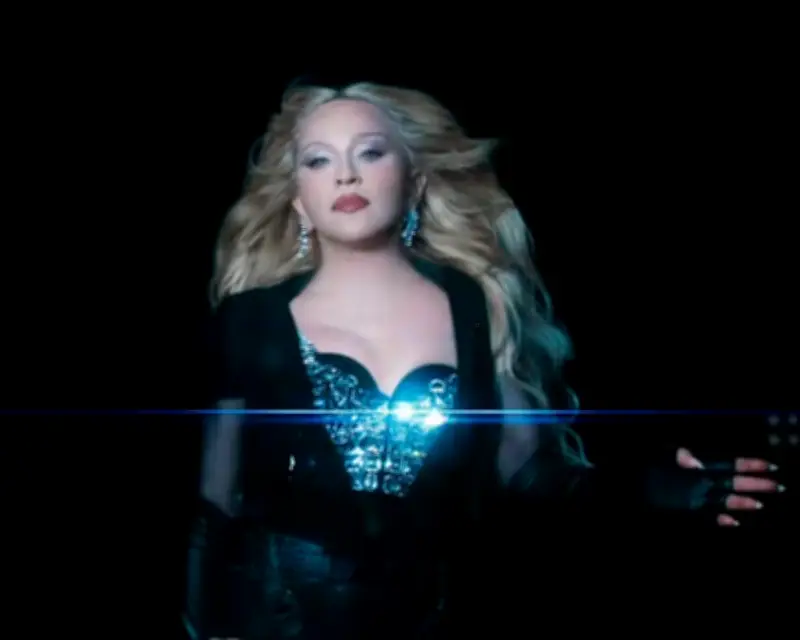
Madonna's Creative Renaissance: Embracing Nostalgia
Madonna has long been known for her relentless forward motion, but her latest album, Confessions II, marks a dramatic shift. For the first time, the pop icon has allowed herself to look back, resulting in what critics are calling her most vital record in 20 years. The album reunites her with producer Stuart Price, who helmed 2005's Confessions on a Dance Floor, and draws deeply from her personal history.
The Journey to Confessions II
After a period of inconsistent output following her departure from Warner Records in 2007, Madonna re-signed with the label in 2021, regaining control of her back catalogue. This newfound leeway, combined with the emotional impact of the 2023/4 Celebration Tour and a near-fatal bacterial infection in 2023, inspired her to explore memory and loss. 'I feel like my brain is tuned into memory,' she said recently. The album emerged from late-night sessions where Madonna shared stories of her early days in New York's club scene.
Standout Tracks and Emotional Depth
One of the album's highlights, Danceteria, began as a spontaneous storytelling session about figures like Basquiat and Keith Haring. Madonna wrote three pages of lyrics overnight and recorded them with an old microphone. The track captures the raw exuberance of that era. On One Step Away, she declares, 'The dancefloor is not just a place, it's a ritualistic space where movement replaces language.' The album weaves Chicago house and Detroit techno into cathartic dance anthems.

Emotionally charged memories surface throughout. Bizarre references the 1960s Shelby Cobra she gave Sean Penn as a wedding gift, with Madonna singing, 'Now you're gone I feel so empty.' LES Girl recalls a 'Marlon Brando face' from the Lower East Side, while Betrayal addresses resentment toward her late stepmother: 'You'll never take my mother's place.' Most poignant is Fragile, a song about her brother Christopher, who died during the album's making. Despite a years-long estrangement after his 2008 tell-all memoir, they reconciled before his death from cancer. Madonna sings, 'I see you standing there, I see inside your soul and I feel whole.'
Critical Reception and Impact
Lucy O'Brien, author of the biography Madonna: Like an Icon, notes that facing grief and loss has deepened Madonna's music. 'It's more alive than it's been in 20 years,' O'Brien writes. The album's nostalgic turn mirrors how David Bowie revisited his Berlin period on 2013's The Next Day. Madonna's willingness to reflect, rather than constantly reinvent, has unlocked a new creative freedom. As she says on the album, 'I'm the voice in your ear, talking to you, inviting you,' positioning herself at the vanguard between life and death.