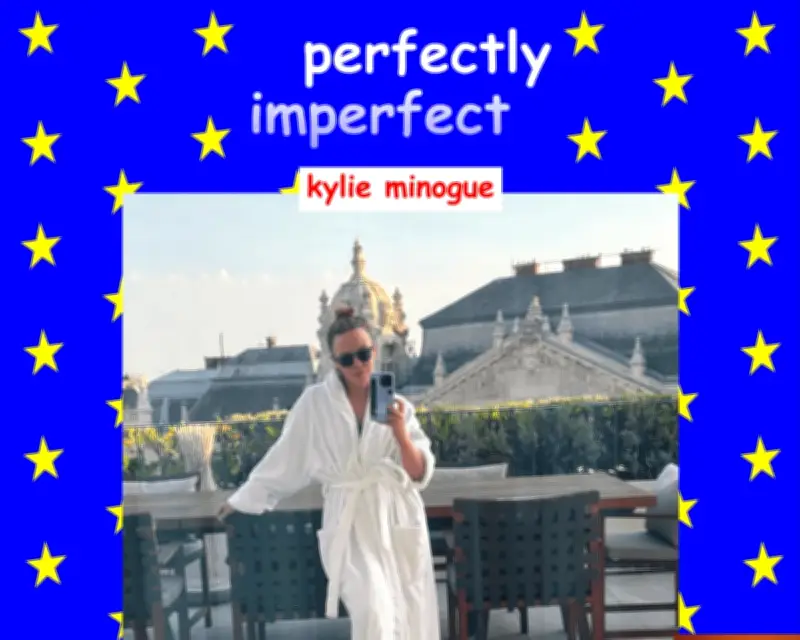
Kylie Minogue is partial to washi masking tape and fresh wasabi. Lena Dunham clicker-trains her pigs and collects tiny ornamental mice. These are among the idiosyncratic likes and dislikes featured in Perfectly Imperfect, a daily newsletter that celebrates the peculiar passions of public figures. For many readers, this content offers a welcome antidote to the homogenized, algorithm-driven taste culture increasingly dominated by AI-generated suggestions, a phenomenon recently dubbed 'tasteslop'.
The rise of Perfectly Imperfect and similar platforms
Perfectly Imperfect is a newsletter that curates the specific, often quirky preferences of mostly US artists and musicians. While some are household names—such as Francis Ford Coppola, who likes Hawaiian shirts and halva—many are less known. The newsletter also includes recommendations from non-famous readers, such as a love for blue drinks or a YouTube clip of a woman terrified of cotton wool balls. Similar features appear in New York magazine's Strategist section, where celebrities reveal their odd must-haves: Kristin Scott Thomas likes toe rings and dog poo bags. Dream Baby Press, a US literary event organizer and indie publisher, produces love and hate lists where notable figures air very personal preferences; David Sedaris loves feeding crows hard-boiled eggs and hates British women painting their nails on trains; Richard Gadd loves slapping supermarket watermelons and hates how his father eats yogurt.
The appeal of weird, individual tastes
The appeal of these lists goes beyond prurient curiosity about famous lives. According to columnist Emma Beddington, the weirdness of these preferences is a reminder that humans are fascinating and surprising in ways algorithms cannot fathom. 'You like what?!' is a reaction that counters the flattening of aesthetics online. This flattening, identified by journalist Kyle Chayka a decade ago as 'AirSpace', has been supercharged by AI. Trend forecaster Emily Segal recently coined the term 'tasteslop' to describe the bland, generative AI-powered, algorithmically amplified tastes that dominate digital culture.

AI and the anxiety of taste
Beddington notes that taste is a source of anxiety for many people, including herself. The rise of tasteslop may be reassuringly recognizable, offering a way to avoid the insecurity of making independent choices. However, she argues that this very resignation makes it essential to seek out assertions of individuality. The peculiar likes and dislikes of others—such as Ayo Edebiri's favorite tinned fried mussels, or chef Clare de Boer's hatred of store-bought broth—serve as a prompt to explore one's own genuine preferences. Beddington's own list includes 1940s children's stories about ponies, male soprano Bruno de Sá singing baroque arias, and saints' relics.
Conclusion: a call for sharing peculiar passions
In a world increasingly shaped by AI and algorithmic curation, celebrating odd, individual tastes becomes an act of resistance. Beddington encourages readers to share their own likes and dislikes, reinforcing the idea that human idiosyncrasy is something to be cherished, not flattened into generic content. As she puts it, 'Go on, tell me yours.'