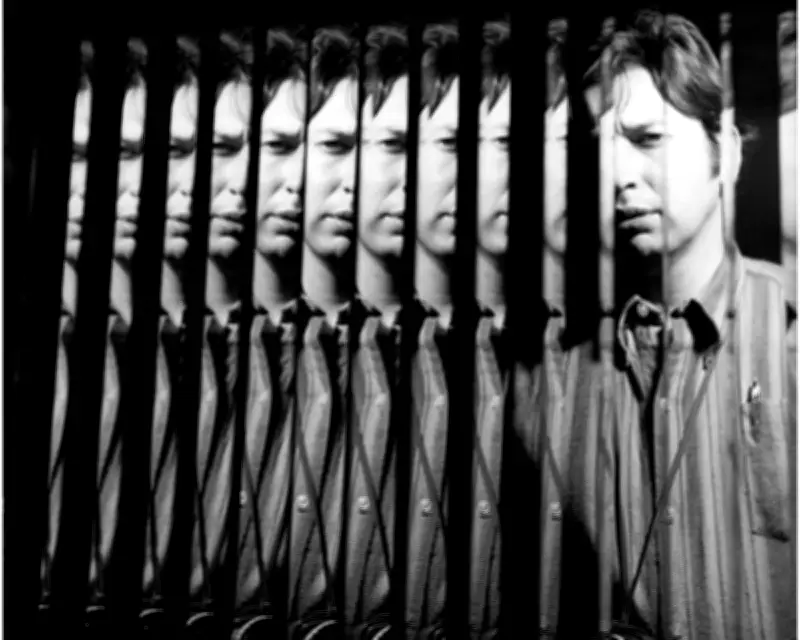
Julio Le Parc, the radical Argentinian artist who demanded active viewer participation in his kinetic works, has died aged 97. A political activist, he hoped his art would shake audiences from passive acceptance.
Early Life and Artistic Beginnings
Born near the Andes in Palmira, a suburb of Mendoza, on 23 September 1928, Le Parc was the son of Angelina Andino, a seamstress, and Juan Le Parc, a French railway worker. After his parents separated when he was 15, he moved to Buenos Aires with his mother and brothers. He attended evening classes at the Escuela de Bellas Artes Manuel Belgrano while working at a handbag factory. His family's financial struggles shaped his leftist political views.
Move to Paris and Founding of GRAV
Le Parc arrived in Paris in 1958 with his wife, textile artist Martha Boto, after receiving a French government travel grant. There, he began his series of black-and-white abstract paintings, Surfaces, which created optical illusions of movement. In 1960, he co-founded GRAV (Groupe de Recherche d'Art Visuel) with five other French and Argentine artists, aiming to demystify art and challenge bourgeois sensibilities.

Radical Works and Viewer Participation
Le Parc's early works included large-scale mobiles with metal and plastic fragments that moved as viewers walked around them. He believed these works could shake viewers from what he called "apathetic dependency." His later pieces included labyrinths, sensory installations, and interactive games. Notable works include Lumières Alternées (1963-93), where moving lights required viewer negotiation, and Ensemble of Eleven Surprise Movements (1965), activated by pressing buttons.
Political Activism and Later Career
Le Parc participated in the 1968 Paris protests, producing posters for the student movement, and was briefly expelled from France. He joined boycotts against the São Paulo Biennial in 1969 due to Brazil's military regime. In 1972, he turned down a retrospective at the Musée d'Art Moderne in Paris by flipping a coin. His activism continued with the International Brigade of Anti-Fascist Painters and founding Espace Latino-Americain.
Legacy and Death
Despite a dip in popularity in the 1990s, Le Parc experienced a resurgence with major retrospectives in Argentina, the United States, and at the Palais de Tokyo in Paris in 2013, which attracted 220,000 visitors. He is survived by his sons Juan, Gabriel, and Yamil, and five grandchildren. His wife Martha died in 2025. Le Parc died on 30 May 2026.