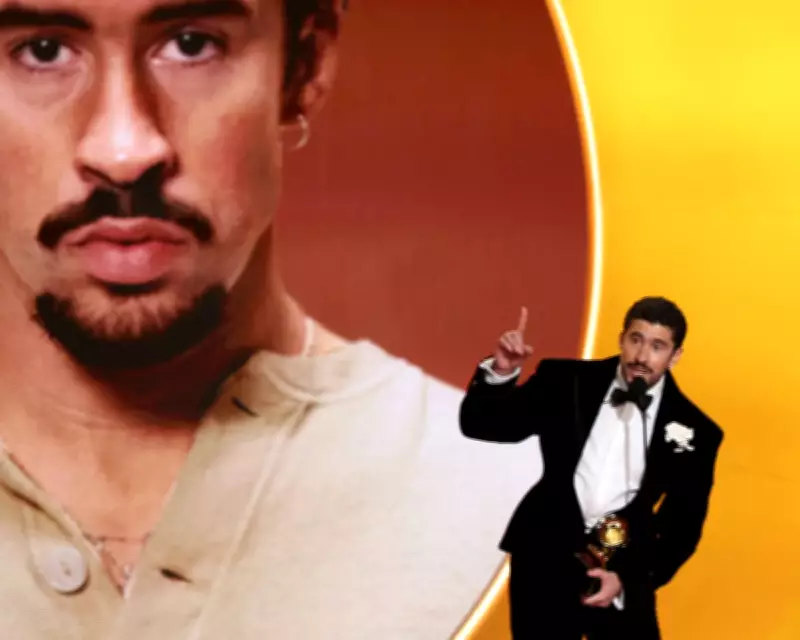
Grammy Stage Becomes Platform for Political Protest as Artists Condemn ICE
The 68th Grammy Awards ceremony in Los Angeles on 1 February 2026 witnessed a remarkable convergence of musical celebration and political protest, with artists using their acceptance speeches to deliver scathing critiques of US immigration policies and former President Donald Trump. The event, broadcast globally from the Crypto.com Arena, saw Puerto Rican superstar Bad Bunny accept the award for Best Música Urbana Album while delivering an impassioned condemnation of Immigration and Customs Enforcement (ICE).
Artists Break from Tradition with Unprecedented Political Statements
In a departure from the typically apolitical nature of major award ceremonies, multiple Grammy winners and performers transformed the prestigious platform into a forum for social justice advocacy. Billie Eilish reinforced her previous calls for celebrity activism, declaring that "no one is illegal on stolen land" and urging continued protest and speaking out. Olivia Dean and Shaboozey joined the chorus with celebrations of immigration, creating a unified artistic front against increasingly harsh immigration enforcement.
Bad Bunny's speech proved particularly poignant given his expressed concerns about mass deportations affecting Latino communities. "ICE out. We're not savages, we're not animals, we are humans and we are Americans ... the only thing that is more powerful than hate is love," the artist declared, receiving both applause and criticism for blending artistic achievement with political commentary.
The Complex Legacy of Celebrity Political Engagement
This year's Grammys represented a significant escalation from previous award seasons, where political statements had been more subdued. Just months earlier, the Golden Globes featured only subtle gestures like "ICE Out" pins worn by Ariana Grande and Mark Ruffalo. The Grammy artists' more direct approach reignited longstanding debates about the effectiveness and appropriateness of celebrity political activism.
Critics question whether celebrity statements genuinely influence policy or merely perform symbolic gestures, recalling how Saturday Night Live previously mocked the "teeny tiny statement pin" phenomenon as superficial engagement. However, supporters argue that artists speaking from personal experience, like Bad Bunny whose album NUEVAYoL addresses Puerto Rican diaspora experiences, bring authentic perspectives to national conversations.
Trump's Reaction and the Cultural Battlefield
The political statements prompted immediate backlash from Donald Trump, who took to Truth Social to denounce the ceremony as "the WORST, virtually unwatchable!" and threatened legal action against host Trevor Noah for jokes about the former president. This reaction underscores how cultural events have become contested terrain in America's political landscape, with both sides recognizing art's power to shape public discourse.
The Grammy protests occurred against a backdrop of ICE's expanding authority and controversial enforcement tactics, making artists' interventions feel particularly urgent to many observers. While celebrity activism has faced criticism for inconsistency and superficiality, the 2026 Grammys demonstrated how artists with personal connections to immigration issues can use their platforms to amplify marginalized voices and challenge institutional power.
Artistic Expression as Political Resistance
Beyond simple celebrity commentary, the Grammy statements represent a continuation of art's historical role in political resistance. Bad Bunny's work specifically addresses anti-immigrant sentiment, suggesting his Grammy speech emerged naturally from his artistic practice rather than representing opportunistic political posturing. This blurring of artistic and political expression raises fundamental questions about whether artists should remain silent on social issues or embrace their platforms as tools for change.
The 2026 ceremony's political dimension reflects broader tensions in American society, where cultural institutions increasingly become battlegrounds for competing visions of national identity and values. As artists like Bad Bunny demonstrate, the distinction between entertainment and activism continues to dissolve, creating both opportunities for social progress and controversies about appropriate boundaries for artistic expression in polarized times.