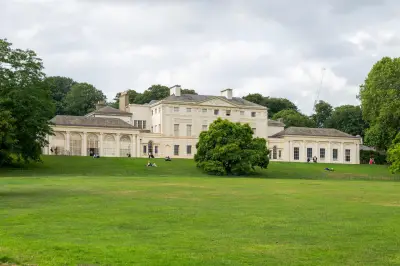
The Bayeux Tapestry's loan to the British Museum has sparked a rush for £33 tickets, but Britain is home to countless free medieval treasures. From the grotesque carvings in Canterbury Cathedral's crypt to the soaring fan vaulting of King's College Chapel, these artworks offer wonder without the queue.
Grotesque Wonders in Canterbury's Crypt
In the crypt of Canterbury Cathedral, a carved stone figure grimaces furiously as a man sits on his head, holding a fish and bowl. Other columns feature a creature with a serpent's tail wrestling a dog-like monstrosity, a gryphon eating a siren, and a horned devil. These carvings, according to the article, are the antidote to the cathedral's solemnity, representing the universal underside of medieval art.
Landscape and Architecture: Glastonbury Tor and Conwy Castle
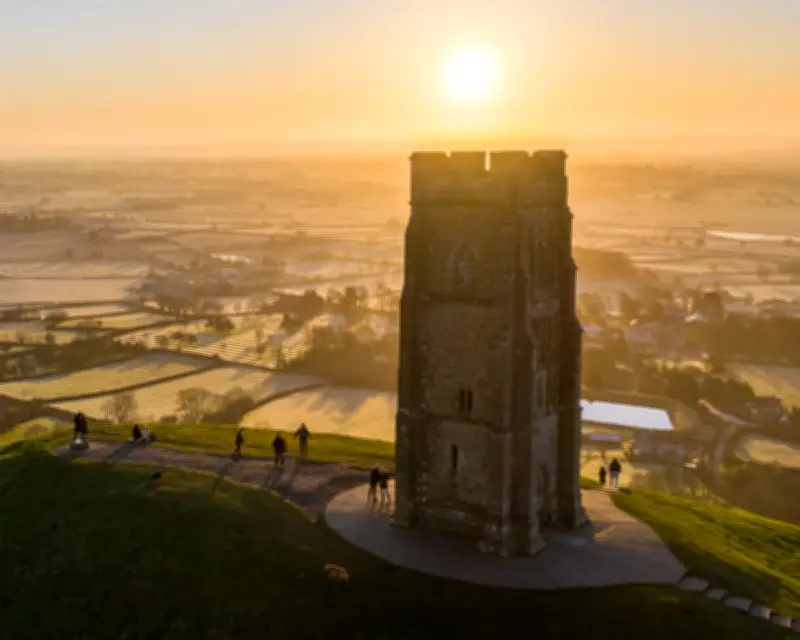
Glastonbury Tor, with its 14th-century church tower, haunts imaginations as a possible site of King Arthur's death. Conwy Castle, designed by James of St George in the 13th century, combines strategic positioning with aesthetic beauty, its towers and turrets dancing against the mountains and sea. Durham Cathedral, perched on a promontory above the River Wear, offers vistas that inspired JMW Turner.
From Romanesque to Gothic: The Evolution of Style
Medieval art in Britain began with the Norman Conquest in 1066, bringing Romanesque semi-circular arches and later Gothic pointed arches and flying buttresses. The article notes that all styles evolve towards depicting heaven on Earth, with cathedrals using light, space, and sculpture to create a sense of divine power. Salisbury Cathedral's spire, the tallest in Britain, channels the landscape into a single upward bolt of energy.
Sensuality and Fantasy in Late Gothic Art
Late English Gothic embraces fan vaulting, as seen in King's College Chapel, Cambridge, where the interior resembles fairy mushrooms. The Wilton Diptych, painted for King Richard II in 1395-99, shows the king kneeling before the Virgin Mary and angels, a romanticized departure from Norman austerity. The Trinity Altarpiece by Hugo van der Goes, commissioned for Edinburgh's Holy Trinity Chapel, is now free to view at the Scottish National Gallery.
Free Medieval Art to Explore
Durham Cathedral offers free entry, with a suggested £5 donation. The Lewis Chessmen, carved from ivory, are displayed in the British Museum's free galleries. Norham Castle in Northumberland, free via English Heritage, inspired Turner. Flint Castle in north Wales, also free, is where Richard II was deposed. The Bayeux Tapestry tickets go on sale 1 July.