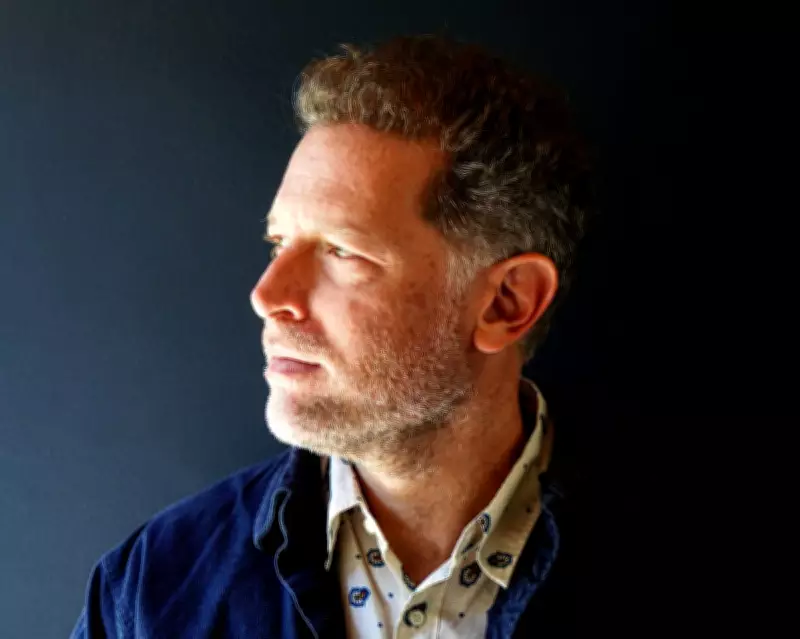
A Harrowing Journey Through Unconventional Education
Stefan Merrill Block's powerful memoir Homeschooled offers readers a compelling and often disturbing window into five years of childhood isolation under his mother's increasingly erratic educational guidance. The story begins in the early 1990s when Block was just nine years old, following his family's relocation from Indianapolis to Plano, Texas.
The Isolation Begins
While Block's father started a new job and his older brother Aaron continued attending traditional school, Block's mother made the fateful decision to withdraw her younger son from formal education entirely. She claimed mainstream schooling was stifling his creativity and failing to accommodate his sensitive nature. What began as an alternative educational experiment quickly transformed into something far more complex and troubling.
The initial promise of personalized learning soon gave way to reality: shortened math sessions, afternoons spent watching television, and writing exercises about a lonely boy in a fictional town called Nowheresville. Block's mother abandoned the standard curriculum entirely, instead filling their days with mall visits and bargain-hunting for cheap meals.

Education or Emotional Dependence?
As the months passed, Block began to understand that his homeschooling had little to do with educational philosophy. "Mom just needs me all to herself," he eventually concluded. The memoir reveals how his mother's educational project became increasingly unhinged, including dangerous attempts to bleach his hair in the Texas sun and using harsh chemicals that burned his scalp.
Block masterfully balances the child's perspective with adult insight, creating a narrative that feels both immediate and reflective. The present-tense writing lends the story a nightmarish quality as Block navigates his mother's unpredictable moods and increasingly bizarre demands.
A Father's Passive Role
The memoir raises important questions about Block's father, who appears throughout as a passive figure aware of but unwilling to challenge his wife's behavior. He participates in taekwondo classes with his son primarily to appease his wife's anxieties, suggesting a pattern of accommodation rather than intervention.
Psychological Horror and Cultural Parallels
When Block's mother insists both sons crawl around the house to improve their handwriting, the story enters psychological horror territory, drawing comparisons to Mommy Dearest and Misery. Block himself draws parallels between his isolated existence and the Branch Davidians during the 1993 Waco siege, imagining authorities might one day declare their "strange closed-off life" illegal.
Return to Normalcy and Understanding
Block finally returns to school in ninth grade, facing immediate social challenges and significant academic gaps. His recollection of thinking the American Civil War was named for citizens exhibiting "remarkably good etiquette" highlights the educational neglect he endured. Yet he demonstrates remarkable resilience, studying relentlessly to catch up academically and eventually escape Texas.
What makes Homeschooled particularly remarkable is its lack of bitterness. Rather than delivering a straightforward condemnation, Block explores his mother's past trauma, including assault and parental abandonment, that contributed to her behavior. When he becomes a father himself, he finds unexpected empathy for her desperate attempts to "freeze time, or to rewind it."
A Broader Critique
Beyond the personal narrative, Block offers sharp criticism of an education system that allowed him to disappear from its radar for five years without intervention. The memoir ultimately presents a multifaceted tragedy: a child failed by both parents, neglected by educational authorities, and forced to navigate a long, difficult path toward normalcy.
Homeschooled stands as both a gripping personal story and a thoughtful examination of how educational choices can mask deeper psychological needs. Block's nuanced portrayal avoids simple villainization while never minimizing the profound impact of his unconventional childhood.