The Monumental Challenge of Restoring Parliament
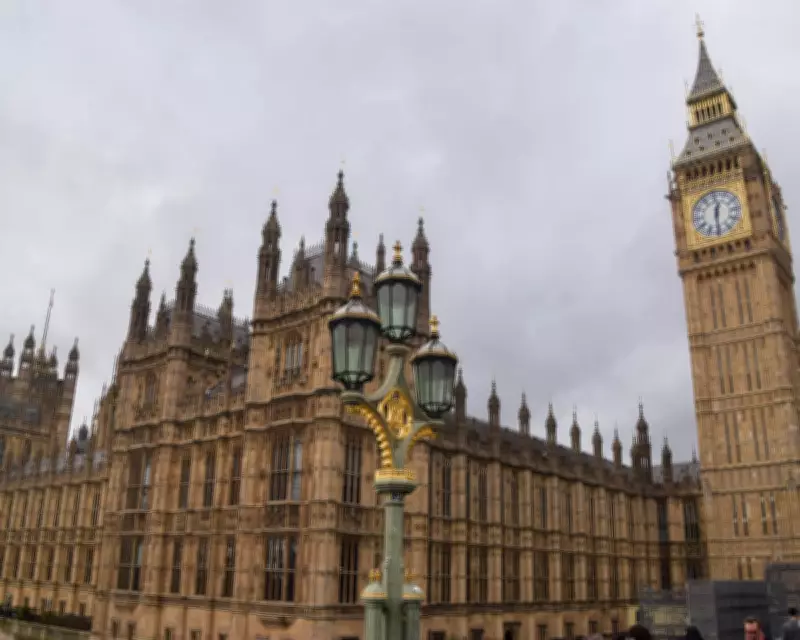
The Palace of Westminster, the iconic seat of British democracy, requires an extensive restoration that could span more than six decades and cost taxpayers billions of pounds. This historic building, which has hosted parliamentary proceedings for centuries, now faces critical structural and safety issues that demand immediate attention.
A Building Not Fit for Modern Governance
Recent incidents have highlighted the deteriorating condition of the parliamentary estate. During a television interview at the House of Commons, Business Secretary Kemi Badenoch was unexpectedly upstaged by a mouse—a common occurrence in a building reportedly overrun with vermin. This incident underscores the broader problems plaguing the Palace of Westminster, where rodents frequently appear in dining areas and public spaces.
The building's infrastructure presents even more serious concerns. The magnificent gold leaf-finished ceiling of the Central Lobby, historically significant as the origin of the term "lobbying," reportedly sheds tiny fragments of asbestos—a known health hazard. Additionally, only 12% of the estate offers step-free access, making it largely inaccessible for people with disabilities, a standard that would be unacceptable in any contemporary public building.
The Staggering Costs and Timelines
Parliament faces two primary options for the restoration project, both involving extraordinary expenses and timeframes. The "full decant" approach, which would relocate both the House of Commons and House of Lords during renovations, carries an estimated price tag of £8.4 to £11.5 billion and would require 19 to 24 years to complete.
Alternatively, maintaining partial occupancy while work proceeds would prove even more costly and time-consuming. This approach could reach £11.8 to £18.7 billion and take between 38 and 61 years—potentially extending beyond the working lifetimes of current parliamentarians and civil servants.
Historical Precedents and Modern Challenges
There is historical precedent for parliamentary relocation. During the Blitz of World War II, when the House of Commons chamber was bombed, proceedings moved to the House of Lords chamber. Many of Winston Churchill's famous speeches, including his iconic "we will fight them on the beaches" address, were delivered from the red benches of the Lords rather than the traditional green benches of the Commons.
Today's challenges extend beyond wartime damage to include aging infrastructure. The parliamentary basement reveals 14 miles of deteriorating Bakelite-style tubing in the steam heating system, responsible for 80 leaks in the 2024-25 period alone. Approximately 250 miles of electrical cabling has passed its prime, creating potential fire hazards throughout the building.
The Human Impact of a Crumbling Parliament
For the thousands who work within the Palace of Westminster—including 650 Members of Parliament, hundreds of peers, clerks, journalists, and support staff—the building's deficiencies create daily challenges. Westminster Hall, dating to 1097 and recently used for Queen Elizabeth II's lying in state, offers no internet or mobile phone reception, complicating communication in one of parliament's most significant spaces.
Even modern additions to the parliamentary estate show signs of wear. Portcullis House, constructed in the 1990s with its distinctive glass-topped atrium, has not aged well and shares many of the accessibility problems found throughout the older sections of the complex.
A Reflection of National Priorities
The condition of the Palace of Westminster raises fundamental questions about how Britain maintains its democratic institutions. With 19 stonemasonry incidents recorded since 2016 and visible deterioration throughout the building, the restoration debate transcends mere building maintenance to address how the nation values its political heritage and functional governance.
Previous proposals, including former Prime Minister Boris Johnson and Michael Gove's controversial suggestion to relocate parliament to York, have failed to gain traction. The current options—whether partial relocation to the Lords chamber or complete temporary decanting—represent more practical, though enormously expensive, solutions.
As parliament prepares to vote on restoration plans as early as March, the decision will signal Britain's commitment to preserving both its historical legacy and creating a functional, accessible, and safe environment for democratic governance. The state of the Palace of Westminster ultimately reflects the state of the nation's priorities, with both requiring significant investment and vision for better days ahead.