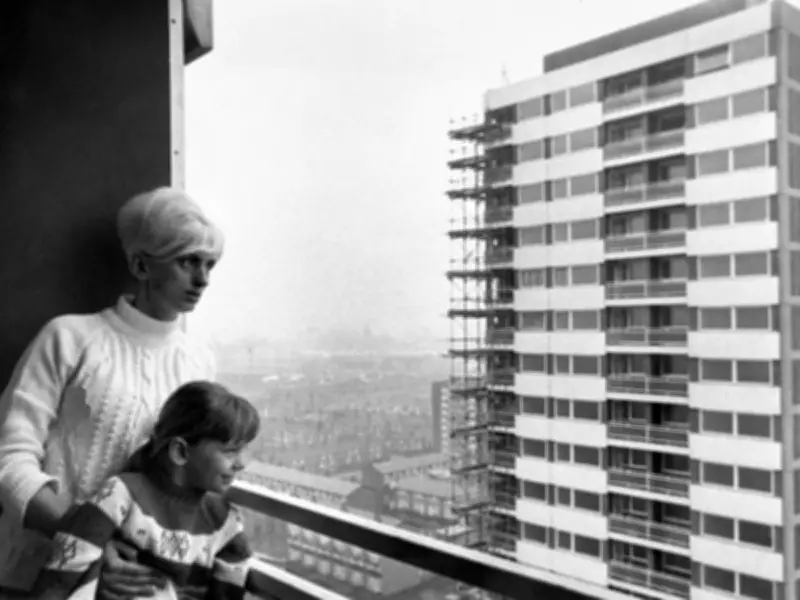
On May 16, 1968, at around 5:45 am, a gas explosion in a kitchen on the 18th floor of the newly built Ronan Point tower block in Newham caused an entire corner of the building to collapse, killing five people and injuring 17 others. The disaster, which occurred just two months after the tower opened, exposed critical flaws in the Large Panel System (LPS) construction method used for thousands of homes across Britain.
The explosion and immediate aftermath
Resident Ivy Hodge struck a match to light her kettle, unaware that gas had been leaking from a faulty connection to her cooker overnight. The resulting blast blew out load-bearing concrete walls, causing the floors above to collapse onto those below. Witnesses described the scene as resembling a "house of cards." Hodge survived with minor burns, but four people died at the scene and a fifth later in hospital. Most residents were asleep in their bedrooms, away from the living rooms that bore the brunt of the collapse, which prevented a higher death toll. Dockers from the nearby Royal Victoria Dock were among the first to assist in rescue efforts.
Construction flaws and systemic failures
Ronan Point was built using the Large Panel System, a fast and cheap method that involved stacking precast concrete slabs to form walls, floors, and ceilings. However, the joints connecting these panels were catastrophically poor. An official inquiry found missing or improperly tightened bolts, and wall cavities stuffed with rubbish and newspaper instead of concrete. Builders were paid through piecework, incentivizing speed over quality. According to the London Museum, this encouraged cutting corners, leaving the building with critical structural weaknesses despite appearing finished.
The inquiry, launched immediately after the disaster, revealed that thousands of homes across Britain had been built using the same system. It ordered that LPS buildings be checked and structurally strengthened, and that gas cookers be replaced with electric ones. The damaged section of Ronan Point was rebuilt, and new tenants moved in, but safety concerns persisted. By 1986, after years of campaigning by residents, the tower was demolished. Investigators examined the rubble to understand how the building was constructed; some debris was sold to the original builder, Taylor Woodrow-Anglian, and used in the construction of the runway at London City Airport.
Legacy and ongoing risks
According to a report by the Institute of Structural Engineers, as of January 2025, around 575 LPS buildings remained standing in Britain. Many have been strengthened over the years, but age presents new problems such as rusting bolts, cracks in concrete, and weather-related wear. For example, residents of the LPS-constructed Ledbury Estate in Southwark were ordered to evacuate in 2017 due to safety concerns. The majority of LPS buildings have since been demolished or rebuilt. The Ronan Point disaster stands as a tragic reminder of the consequences when safety is compromised, with lessons still relevant today, particularly after the 2017 Grenfell Tower fire.