Abandoned WWII Control Tower to Be Transformed into Holiday Retreat
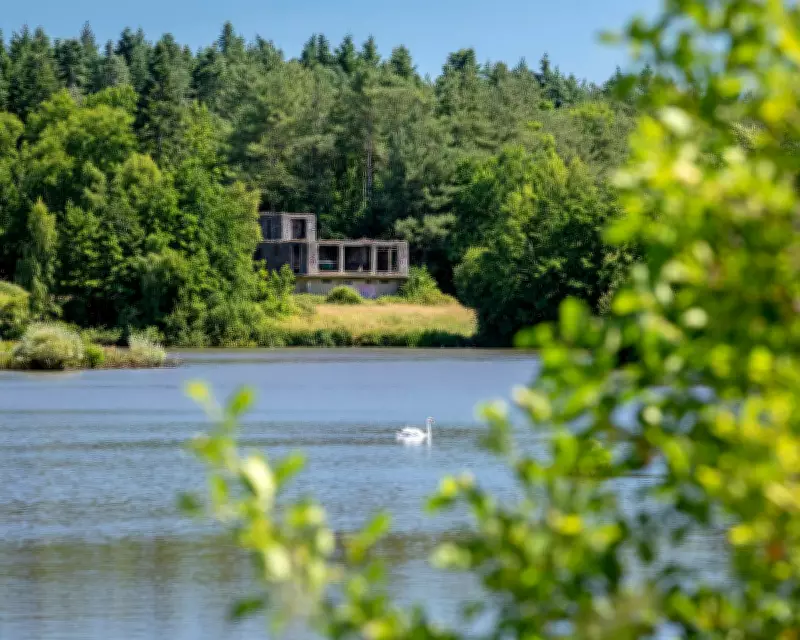
The derelict control tower at the former RAF Ibsley in Hampshire, a key site during the Battle of Britain, is poised for a remarkable revival. The Landmark Trust, a conservation charity, has secured planning permission to convert this historic structure into a four-bedroom holiday home, complete with a roof terrace. This £700,000 project aims to rescue the building from decay while maintaining its architectural integrity and ecological significance.
Preserving History and Habitat
Built hastily at the start of World War II, the watch office served as a base for British and US personnel, with Hurricane and Spitfire planes operating from there to protect ships and intercept enemy aircraft over the Channel. The tower also featured in the 1942 war film The First of the Few, starring Leslie Howard and David Niven, which boosted British morale. Despite its historical importance, the building has been crumbling for decades, described by planning officer Jessica Cooke as in "very poor state of repair."
A unique aspect of the conversion is the commitment to preserve the existing bat populations. Six species of bats have made the abandoned tower their home, roosting in old teleprinter and forecast rooms. Natural England initially raised concerns about the impact on these bats, but the Landmark Trust has assured that dedicated dark spaces will be maintained for them, with plans to convert a wartime blast shelter into an additional roost. This approach balances holidaymaker comfort with ecological responsibility.
Community and Conservation Support
The New Forest council approved the project with conditions to protect the bats, highlighting the building's "significant local interest" and "high conservation significance." The Airfield Research Group endorsed the plans, noting that a sympathetic conversion would honor the air and ground crew who served at Ibsley. Public support for the scheme is strong, reflecting the site's emotional resonance, as many young men flew from here during the war, some never returning.
Caroline Stanford, the trust's historian, remarked on the building's modernist design and its surprising survival. Work is set to begin later this year, with the Landmark Trust emphasizing that this project demonstrates how historical rescue can align with environmental constraints. The conversion will prevent collapse or demolition, offering a sustainable future for this piece of heritage.