A Queer Inheritance: Uncovering the National Trust's LGBTQ+ Roots
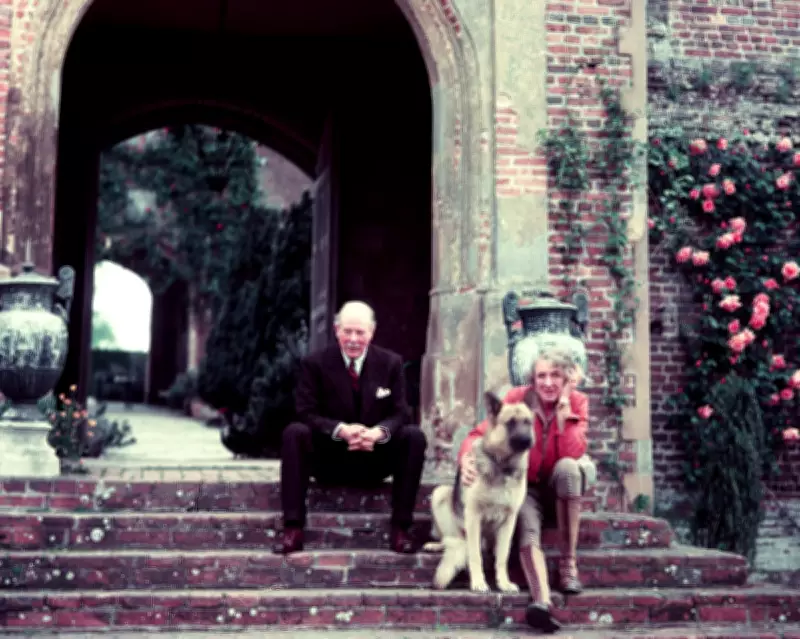
In a new book titled A Queer Inheritance, author Michael Hall delves into the often-overlooked LGBTQ+ history of the National Trust, challenging recent accusations that the institution has become 'woke.' The book argues that the Trust has been intrinsically linked to queer individuals since its inception in 1895, the same year Oscar Wilde faced trial for gross indecency. Hall, a former architecture editor of Country Life, brings to life the stories of gay and lesbian figures who contributed to the Trust's properties, such as Vita Sackville-West and Harold Nicolson, who created the iconic gardens at Sissinghurst in Kent.
Historical Context and Key Figures
Hall recreates the oppressive atmosphere of late 19th-century England, highlighting how queer Victorians navigated a hypocritical society. While the National Trust was not founded solely by LGBTQ+ individuals, its history is intertwined with their lives. For instance, Octavia Hill, one of the Trust's founders, lived with a woman, though other co-founders held puritanical views. The book explores how figures like E.M. Forster, who lived at Piney Copse in Surrey, indulged in reveries about mythical woodlands, adding layers to the Trust's cultural heritage.
After World War II, many country houses were transferred to the National Trust due to financial pressures like inheritance tax. Architectural historian James Lees-Milne, known for his waspish diaries, played a key role in persuading aristocrats to hand over their estates. Hall recounts the comic yet sad tales of these 'bien, high-to-middlebrow bachelors,' as Lees-Milne called them, who maintained their properties with a sense of Edwardian propriety.
Critiques and Broader Implications
Hall's research sometimes reads like a detective story, uncovering queer behavior in unexpected places, such as the Arts and Crafts movement, where furniture designs like closets hinted at deeper longings. However, the book has been critiqued for focusing primarily on upper-class LGBTQ+ individuals, overlooking stories from 'below stairs.' Despite this, A Queer Inheritance offers a revealing look at how queer history is embedded in the Trust's deceptively cosy settings, from Clumber, which may have inspired Wilde's The Picture of Dorian Gray, to other estates.
The controversy over vegan scones serves as a metaphor for the Trust's complexity—familiar yet nuanced, much like the debates over jam or cream on scones. Hall suggests that history, whether gay or straight, resists simple binaries, offering a richer narrative. Published by Bloomsbury, this book adds depth to our understanding of national heritage and LGBTQ+ rights.