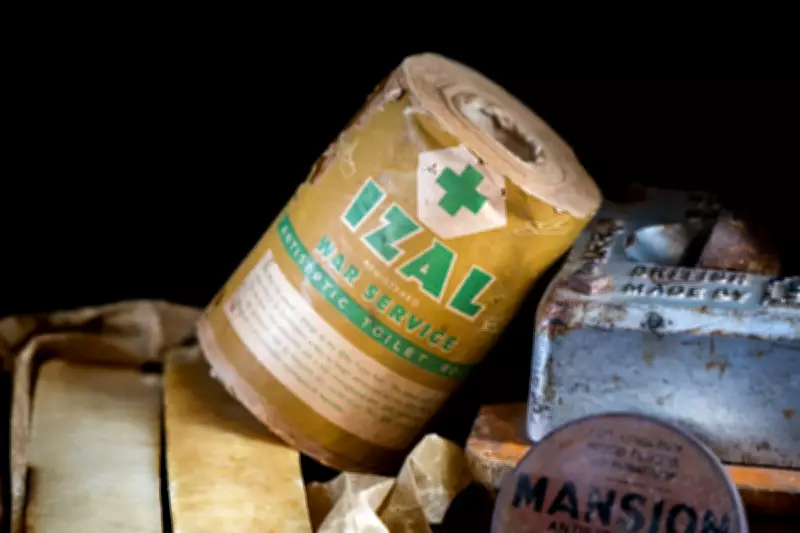
Izal Toilet Paper's Remarkable Wartime Service and Reader Insights
Izal antiseptic toilet paper holds a unique place in history, having served on the frontlines during the First World War. This product was not just a household item but a practical tool for soldiers in harsh conditions. During the Second World War, its use took on a symbolic twist, as noted by Sally Goldsmith, who mentioned that "you could wipe yourself on a picture of Hitler," highlighting how everyday objects can reflect broader societal sentiments during times of conflict.
Personal Mementoes and Historical Connections
Sally Goldsmith, who created a Radio 4 musical feature on Izal in 2010 titled "Now Wash Your Hands," shared her personal collection. She owns a 1930s roll printed with William Heath Robinson drawings, including one depicting the cleaning of a broody hen coop using Izal disinfectant. This illustrates how Izal was marketed not only for personal hygiene but also for broader cleaning purposes, blending art and practicality in its design.
Reader Letters on Contemporary Issues
In response to recent letters, readers have voiced opinions on various topics. Melanie Jones from Haverfordwest challenged Doug Maughan's defense of public urination by older men, pointing out that many women experience urinary incontinence. She questioned whether society would accept similar behavior from women, emphasizing the need for equitable public facilities and understanding.
On sustainability, Linda Rhead from Hampton shared her approach to fashion by purchasing jeans from charity shops, such as Next jeans for £1 and Levi 501s for as low as £3. She highlighted how this practice supports environmental conservation while being cost-effective, promoting a circular economy in the fashion industry.
Cultural and Lifestyle Notes
Richard Barnard from Wivenhoe commented on the Proms including works with "lots of notes," humorously hoping they are in the correct order, reflecting a light-hearted take on classical music performances. Meanwhile, Jenny Moir from Chelmsford recalled the 1970s bread shortage, where homemade bread was often compared to bricks, adding a nostalgic and humorous perspective on past lifestyle challenges.
These letters collectively showcase a blend of historical reflection, social commentary, and personal anecdotes, offering insights into how everyday items and practices connect to larger themes of history, sustainability, and culture.