The Remarkable Wartime Journey of Paris's Hôtel Lutetia
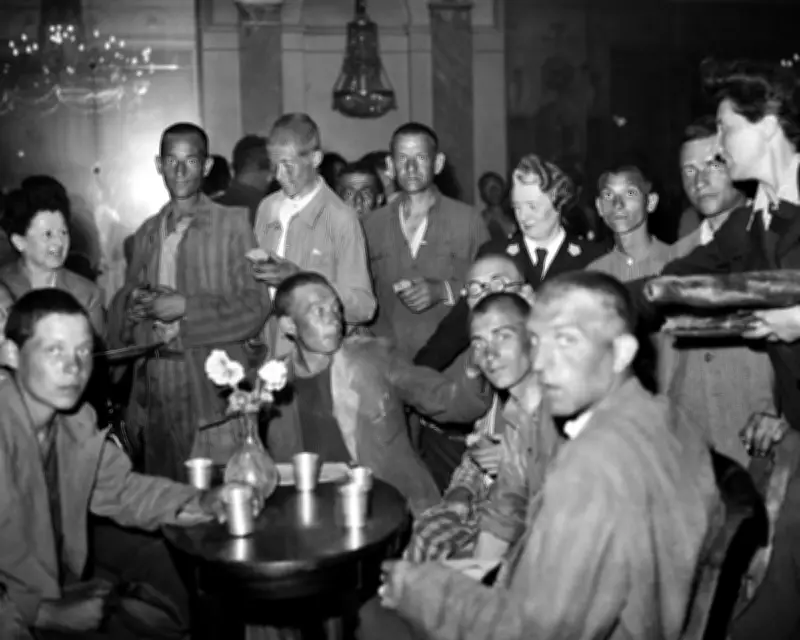
In May 1945, a haunting scene unfolded at the Hôtel Lutetia on Paris's Left Bank. French deportees, some still wearing the striped uniforms of concentration camps, returned through the hotel's grand wooden revolving door shortly after the war's end. This moment marked the final transformation of a Parisian icon that had experienced multiple identities during the turbulent mid-20th century.
From Bohemian Haven to Anti-Nazi Headquarters
Originally opened in 1910 with architecture blending art nouveau and art deco styles, the Lutetia quickly became a gathering place for artistic luminaries. Ernest Hemingway frequented the establishment in the 1920s, alongside Pablo Picasso, Henri Matisse, André Gide, and James Joyce, who wrote portions of Ulysses at its tables.
By the mid-1930s, as Jane Rogoyska documents in her Women's Prize-shortlisted book Hotel Exile: Paris in the Shadow of War, the hotel had transformed into headquarters for German political dissidents fleeing Hitler's regime. The Nazis contemptuously called them "The Lutetia Crowd" - the intellectual elite of the Weimar Republic who worked to undermine the Third Reich from abroad.
Their methods were ingenious if desperate: fake tomato-seed packets containing anti-Nazi diatribes were smuggled into Germany, while The Communist Manifesto was rebound as classic literature and circulated within the Fatherland. These former lawyers, academics, and journalists, wearing increasingly shabby clothing, wandered Paris seeking any employment while planning their resistance activities.
The Occupation and Individual Tragedies
The situation deteriorated dramatically with Paris's occupation in 1940. Under Hitler's Nacht und Nebel (Night and Fog) decree, émigrés could be arrested without due process, leaving most Lutetia residents classified as stateless aliens - particularly vulnerable positions for Jewish individuals facing deportation to concentration camps.
Rogoyska traces several poignant individual stories from this period:
- Walter Benjamin spent his days at the Bibliothèque Nationale perfecting The Arcades Project, his monumental study of 19th-century Parisian street life, before taking his own life after a failed escape attempt to Spain.
- Irène Némirovsky secretly wrote Suite Française, depicting ordinary citizens' moral compromises during the German invasion, before perishing in Auschwitz.
- Gisèle Freund, a young German photographer, entered a mariage blanc with a Frenchman to gain citizenship protection.
The Hotel's Darkest Chapter
The Lutetia reached its nadir when the Germans designated it as headquarters for the Abwehr, the Nazi intelligence service, the day after occupying Paris. Admiral Wilhelm Canaris, a fluent French speaker and wine connoisseur who insisted on extra rooms for his two dachshunds, led the operation from the hotel.
Junior officers experienced cognitive dissonance occupying a space that retained French staff and luxurious atmosphere. One incident highlighted this tension: when a German officer began choking on an artichoke's spiky leaves, the chef was accused of sabotage until a more sophisticated colleague explained which parts were edible.
Transformation into a Sanctuary
Following the Germans' chaotic departure in August 1944, the Lutetia underwent its most profound transformation - becoming a repatriation center for concentration camp survivors. Throughout spring 1945, buses and trains delivered emaciated figures in striped uniforms to the hotel, where they received medical care, new clothing, and nourishing food in rooms recently occupied by Nazi officers.
Rogoyska emphasizes that this was not a place of joyful reunions. Outside the hotel, hundreds of tearful Parisians held photographs of relatives last seen boarding trains heading east, desperately asking returnees if they recognized faces from the camps. The survivors in striped pajamas rarely looked up - they understood that even if they recognized someone, the chance of that person walking through the Lutetia's doors was vanishingly small.
The Hôtel Lutetia's wartime journey encapsulates the dramatic shifts of 20th-century European history - from artistic haven to intellectual resistance center, from Nazi headquarters to sanctuary for those who survived humanity's darkest hour. Rogoyska's meticulous research brings this multilayered history to life, revealing how one building witnessed the full spectrum of human experience during wartime.