Graves in England and Wales to Be Reused After 100 Years
A significant policy shift has been announced, permitting the reuse of graves in England and Wales after a century. This change aims to tackle the critical shortage of burial space in urban and rural areas, driven by population growth and limited land availability. The move is expected to have far-reaching implications for cemetery management and environmental sustainability.
Addressing Burial Space Shortages
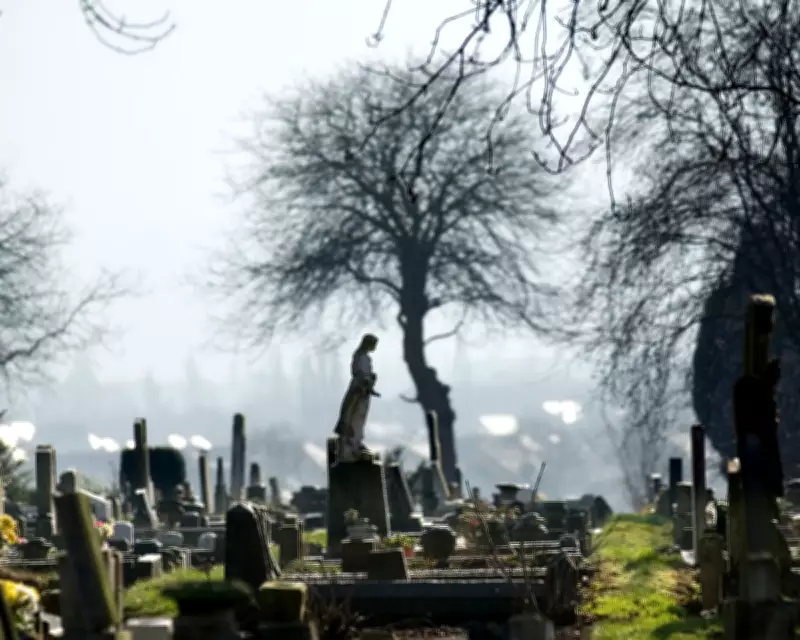
The decision to allow grave reuse after 100 years comes in response to mounting pressures on burial grounds across the country. Many cemeteries, particularly in densely populated regions, are nearing capacity, leading to concerns about future interment options. By implementing this policy, authorities hope to extend the lifespan of existing cemeteries and reduce the need for new land development.
This approach aligns with broader efforts to promote efficient land use and minimize urban sprawl. Reusing graves can help preserve green spaces and reduce the environmental impact associated with creating new burial sites.
Policy Details and Implementation
Under the new guidelines, graves that have been in place for at least 100 years may be considered for reuse. The process will involve careful exhumation and respectful handling of remains, with provisions for notifying descendants where possible. Authorities emphasize that the policy will be implemented with sensitivity to cultural and religious practices.
Key aspects of the policy include:
- Timeframe: Graves must be at least 100 years old before reuse is considered.
- Notification: Efforts will be made to inform families, though this may not always be feasible due to historical records.
- Respectful Handling: Procedures will ensure dignified treatment of exhumed remains.
Public and Community Reactions
The announcement has sparked a mix of reactions from the public and community groups. Some welcome the move as a practical solution to burial space constraints, while others express concerns about the ethical implications and potential disruption to historical sites.
Supporters argue that grave reuse is a necessary step to address practical challenges, citing examples from other countries where similar policies have been successfully implemented. Critics, however, worry about the loss of historical continuity and the emotional impact on families with ancestral ties to affected graves.
Environmental and Economic Considerations
Beyond addressing space shortages, the policy is seen as a way to promote environmental sustainability. By reusing existing graves, the need for new land excavation and development is reduced, potentially lowering carbon emissions and preserving natural habitats.
Economically, the move could alleviate financial pressures on local authorities responsible for cemetery maintenance. Reusing graves may provide a cost-effective alternative to acquiring and developing new land for burial purposes.
Looking Ahead
As the policy is rolled out, authorities plan to engage with communities to address concerns and ensure transparent implementation. Monitoring and evaluation mechanisms will be established to assess the impact on burial practices and land use over time.
This change marks a significant evolution in burial practices in England and Wales, reflecting broader trends toward sustainable resource management. It highlights the ongoing balance between honoring the past and planning for the future in urban and environmental policy.