Scientific Dispute Over Ancient Irish Stone Lifting Boulders' Geological Origins
A fascinating geological debate has emerged regarding the origins of the rounded boulders traditionally used in the ancient sport of stone lifting in Ireland. This discussion challenges long-held assumptions about how these distinctive stones were formed and transported across the Irish landscape.
Challenging the Glacial Erratic Theory
In a recent exchange of expert opinions, Dr. Alan Woolley of Weybridge, Surrey has directly challenged Professor Gray's assertion that the rounded shapes of these historical lifting stones likely originated as glacial erratics. According to Dr. Woolley, blocks frozen within glacial ice typically maintain their initial angular shapes rather than becoming abraded and rounded through glacial processes.
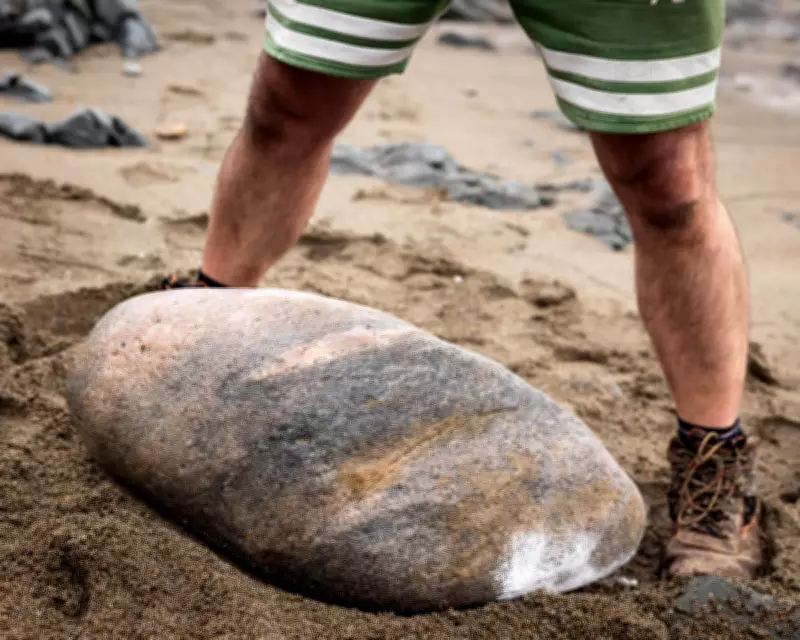
The geological evidence suggests a different formation process entirely. Dr. Woolley proposes that rock fragments carried by powerful river currents or located along marine coastlines would experience the necessary rolling and dragging action to create the characteristically rounded boulders, cobbles, and pebbles used in Ireland's traditional stone lifting competitions.
Ancient Sporting Tradition Meets Modern Science
This scientific discussion brings renewed attention to Ireland's ancient stone lifting tradition, a sport with deep historical roots that continues to fascinate both athletic enthusiasts and geological researchers. The debate highlights how modern scientific analysis can shed new light on historical practices and the natural materials used in traditional sports.
The rounded boulders in question have been central to Irish stone lifting for generations, with their specific shapes and weights making them particularly suitable for the demanding physical challenges of this traditional strength sport. Understanding their geological origins provides valuable context for both sports historians and earth scientists studying Ireland's natural landscape.
Broader Implications for Geological Understanding
This exchange between experts represents more than just an academic disagreement about sporting equipment. It touches on fundamental questions about geological processes and how different environmental forces shape rock formations over extended periods.
The discussion has implications for understanding Ireland's geological history, particularly regarding the relative importance of glacial versus fluvial and coastal processes in shaping the country's distinctive landscape features. As researchers continue to examine these traditional lifting stones, they may uncover additional insights about Ireland's environmental history and the natural forces that have sculpted its terrain.
This scientific debate demonstrates how seemingly specialized discussions about historical sporting equipment can illuminate broader questions about geological processes, environmental history, and the intersection between human cultural practices and the natural world.