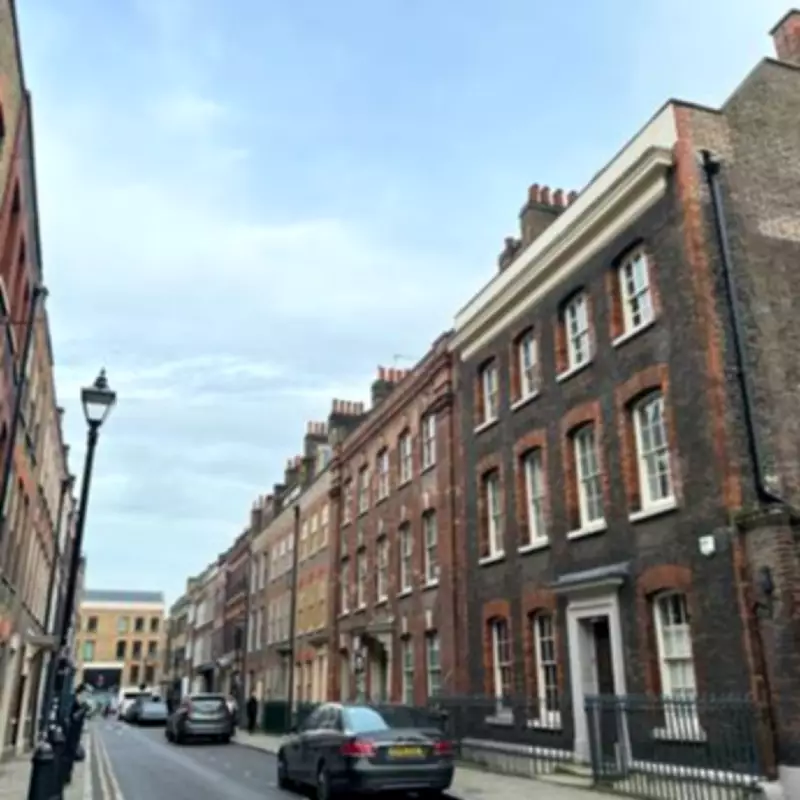
Nestled beneath the towering spire of Christ Church, wedged between the scaffold-clad Commercial Street and the vibrant curry houses of Brick Lane, lies a London street where history feels palpably alive. Fournier Street in Spitalfields, Tower Hamlets, appears as if time itself has paused, offering a remarkable contrast to the modern skyscrapers that have risen around it.
A Perfectly Preserved Georgian Gem
This charming thoroughfare features rows of impeccably maintained 18th-century residences, with their uniform windows and chimney stacks creating one of Britain's most exceptional surviving examples of early Georgian residential townhouses. The architectural consistency and historical integrity of Fournier Street make it a significant landmark in London's urban landscape.
Conservation Amid Contemporary London
Fournier Street has become a focal point for restoration and conservation efforts, maintaining its original character despite the rapid development of surrounding areas. The only hints of modernity come from Instagram influencers posing against elegant wooden doorways and the distant silhouette of the Gherkin visible above the rooftops.
Huguenot Heritage and Silk-Weaving Legacy
The street derives its name from Huguenot George Fournier and was predominantly occupied by Huguenots—Calvinist Protestants fleeing religious persecution in France—during the 1700s. These skilled immigrants transformed numerous properties into silk-weaving workshops, contributing significantly to the East End's garment industry heritage.
Remarkably, local legend suggests that the silk for Queen Victoria's Coronation gown was produced at number 14 Fournier Street, highlighting the street's historical importance in British textile manufacturing.
From Historical Route to Fashion Destination
Today, style-conscious visitors treat Fournier Street as a picturesque historical pathway to Brick Lane's market stalls and fashion boutiques. It's common to see people returning with shopping bags filled with hand-decorated denim pieces and vintage-inspired clothing, blending historical appreciation with contemporary shopping habits.
The Ten Bells Pub: A Historical Landmark
At the Commercial Street end of Fournier stands the Ten Bells pub, a venue steeped in London's darker history. This establishment is famously recognized as the last location where Jack the Ripper's final victim was seen, adding a layer of historical intrigue to the street's character.
Adding to the area's unique blend of history and modernity, a new fish and chip shop called 'Jack the Chipper' has recently opened nearby, playfully referencing the area's notorious past while serving traditional British fare.
Past and Present in Harmonious Coexistence
In the heart of Spitalfields, historical preservation and contemporary life exist in perfect harmony. Across from Fournier Street, artists and chefs at the thriving market create culinary delights like apple crumble, demonstrating how traditional and modern elements can coexist successfully in urban environments.
Many Londoners pass through Fournier Street countless times without recognizing its profound historical significance. This hidden gem serves as a living museum of Georgian architecture and Huguenot heritage, offering a tangible connection to London's layered past while standing resilient amid the city's constant evolution.