The Ferrara Bible: A Testament to Jewish Resilience in Spain
A newly published edition of the Ferrara Bible has brought to light the extraordinary story of how persecuted Jews in Spain secretly kept their faith alive during times of intense oppression. This historical text, originally produced in the 16th century, serves as a powerful symbol of cultural endurance and religious devotion under duress.
Historical Context of the Ferrara Bible
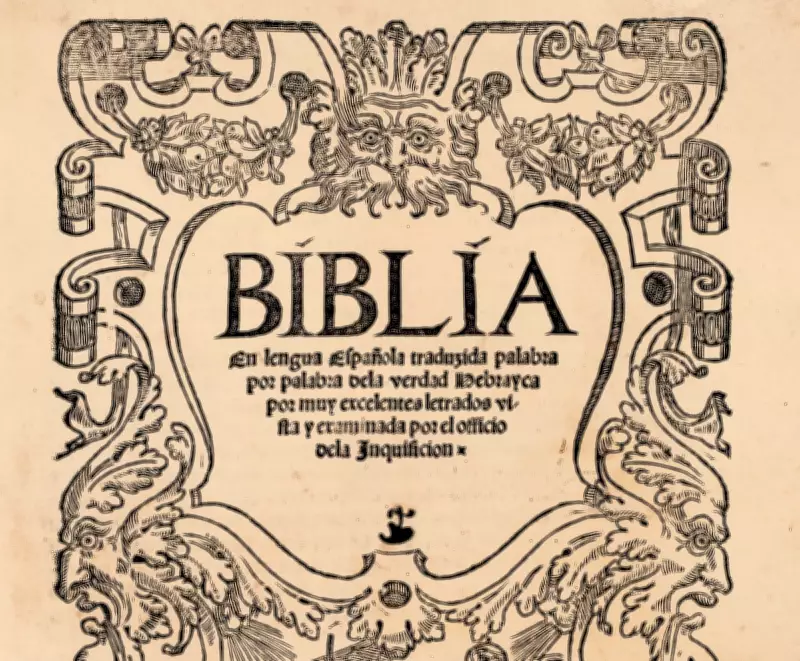
The Ferrara Bible was first printed in 1553 in the Italian city of Ferrara, but its significance is deeply rooted in the Spanish Jewish experience. During the Spanish Inquisition, which began in the late 15th century, Jews faced forced conversions, expulsion, and severe persecution. Many who outwardly converted to Christianity, known as Conversos or Marranos, continued to practice Judaism in secret, risking their lives to maintain their religious identity.
This new edition meticulously documents how these clandestine communities used the Ferrara Bible as a tool for preserving their faith. The text, written in Ladino (a Judeo-Spanish language), provided a accessible religious resource that could be hidden and studied privately, away from the watchful eyes of authorities. Scholars note that its production involved covert networks of Jewish printers and scholars who operated under the guise of other activities to avoid detection.
Key Findings from the New Edition
The updated publication includes previously unpublished annotations and marginal notes that reveal the personal struggles and spiritual reflections of its readers. These additions show how individuals used the Bible to reinforce their beliefs, pass down traditions to younger generations, and find solace in their shared heritage. For instance, some notes detail secret rituals performed in hidden cellars or attics, while others express hopes for future redemption and return to open practice.
Importantly, the edition highlights the role of women in this preservation effort, with evidence suggesting they often took lead roles in teaching children and safeguarding religious texts. This challenges traditional narratives that focus solely on male religious leaders, offering a more nuanced view of community resilience.
Broader Implications for Cultural History
This discovery has significant implications for understanding how minority groups navigate persecution. It underscores the importance of written texts in sustaining cultural identity when oral traditions are threatened. The Ferrara Bible's survival and continued relevance demonstrate how faith can adapt to extreme circumstances, using innovation and secrecy to endure.
Researchers involved in the project emphasize that this is not just a historical curiosity but a lesson in human resilience. They point to parallels with other persecuted communities worldwide, where similar strategies of hidden practice have been employed. The new edition includes comparative analyses with texts from other diasporic Jewish communities, showing common patterns of adaptation and survival.
Preservation and Modern Relevance
The publication also details the painstaking conservation efforts that went into restoring original manuscripts, many of which were damaged or fragmented. Using advanced digital imaging and linguistic analysis, scholars have reconstructed lost passages and clarified obscure references, making the text more accessible to contemporary audiences.
In today's context, the story of the Ferrara Bible resonates with ongoing discussions about religious freedom and cultural preservation. It serves as a reminder of the lengths to which people will go to protect their beliefs, and it offers inspiration for modern efforts to safeguard endangered traditions. The new edition is expected to be used in educational settings, from universities to community centers, to teach about this pivotal chapter in Jewish and Spanish history.
Ultimately, the Ferrara Bible stands as a monument to the unyielding spirit of those who refused to let their faith be extinguished, even in the face of relentless persecution.