Gabriele Stötzer, one of the most radical artists in communist East Germany, is being celebrated in her first major show at Berlin's Martin Gropius Bau gallery. The exhibition, titled Dabei Sein und nicht schweigen (Show up and don’t be quiet), features 150 of her works in a dedicated wing and runs until 6 December. It is the biggest ever celebration of an East German female artist in a state museum.
From prison to art
Stötzer, now 73, began her artistic journey during a year-long incarceration in the notorious women's prison of Hoheneck in Saxony in the late 1970s. She was imprisoned after protesting against the expatriation of dissident singer-songwriter Wolf Biermann. “Living in a land already cordoned off from the rest of the world by the Berlin Wall, I found myself behind yet another set of walls,” she said. “Our cell held 20 women … and we worked a three-shift schedule during the day. Art was bound up in my dream of another life.”
Defiance and creativity
Stötzer refused to be bought out of the east by the West German government, choosing to stay and use the GDR as an experimental space for artistic fellowship, feminist struggle, and solidarity. She went underground, lived in a squat, and co-founded a women’s artists’ collective while under constant surveillance by the Stasi, which frequently banned the collective’s activities. “We made use of everything we experienced – our dreams, traumas, the exaltation, the humiliation,” she said. At her lowest, she drew on furniture, dishes, and wallpaper “so that I could recognise myself, and feel that I existed – to keep my own substance”.
Exhibition highlights
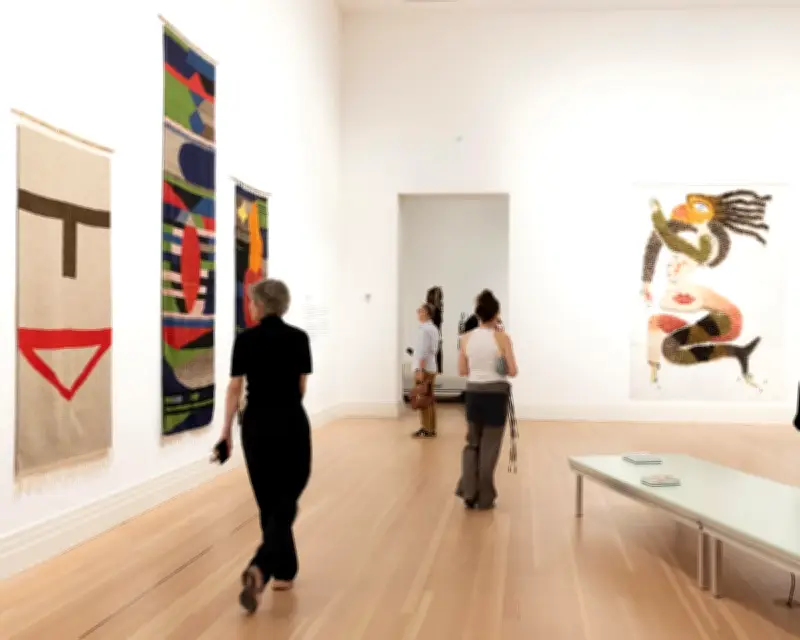
The exhibition spans 50 years and includes woven carpets, drawings, photographs, sculptures made of junk, and large scrapbook-style albums. Stötzer often chose to buy Super 8 film over sausages, using its soft and grainy qualities to capture expressions of individuality, from dancing naked with friends to orgiastic body painting and free-climbing walls. Curator Julia Grosse said, “She’s been celebrated as an eyewitness to history but until now has never been celebrated as an artist in her own right – and this is what this show seeks to rectify.”
Cultural significance
Writer Carolin Würfel noted that the exhibition is meaningful to East Germans because it represents “recognition by the official German discourse of Stötzer, an East German artist, as part of the cultural history of Germany, both east and west. It finally sends a signal that East German art and culture is not a niche, trapped in a vanished country, but part of our collective memory and our present.”