The Unforgettable Tragedy: Dunblane's Darkest Day
On March 13, 1996, a gunman entered the gymnasium at Dunblane Primary School in Scotland, unleashing unimaginable horror upon a class of five- and six-year-old children. In mere minutes, sixteen young lives were brutally cut short: Abigail McLennan, Brett McKinnon, Charlotte Dunn, David Kerr, Emily Morton, Emma Crozier, Hannah Scott, Joanna Ross, John Petrie, Kevin Hasell, Megan Turner, Melissa Currie, Mhairi MacBeath, Ross Irvine, Sophie North, and Victoria Clydesdale. Their beloved teacher, Gwen Mayor, also perished while trying to protect her pupils. The attacker then turned the weapon on himself, ending the massacre but beginning a legacy of profound grief and remarkable resilience.
A Community Transformed by Loss and Determination
Thirty years later, Dunblane remains the site of Britain's deadliest mass shooting, an event that forever shaped this Scottish town. Yet the story extends far beyond that single day of tragedy. In the aftermath, bereaved families and community members demonstrated extraordinary strength, channeling their grief into powerful action that would change British society forever.
The Snowdrop Campaign emerged as one of the most effective grassroots movements in modern British political history. Launched by parents and supporters devastated by the shooting, the campaign gathered over 700,000 signatures demanding stricter gun control legislation. This public outcry helped drive sweeping reforms that transformed the United Kingdom's firearms landscape.
Legislative Legacy: From Grief to Gun Control
Westminster responded to the Snowdrop Campaign with unprecedented speed and determination. First, John Major's Conservative government banned most handguns in early 1997, though .22 pistols remained permitted in licensed clubs. Following Labour's landslide election victory later that year, Tony Blair's incoming administration went further, passing legislation that effectively ended private handgun ownership across Great Britain.
To enforce these historic changes, the government implemented a £150 million compensation scheme through which more than 160,000 handguns and hundreds of tonnes of ammunition were surrendered. While not eliminating all gun violence, these reforms established some of the world's strictest private handgun restrictions, serving as a powerful example of how public opinion and bereaved families can compel political action.
The Dunblane Centre: A Living Memorial
In 2004, eight years after the tragedy, The Dunblane Centre opened its doors, funded by donations from across the globe. The community had determined that "a safe place that allowed all generations to come together" would represent "the perfect legacy to those lost." Today, this facility stands as a testament to resilience, serving preschool groups, Lego clubs, youth badminton teams, theater and art groups, alongside numerous adult activities.
"Pickleball is the new thing and it's hugely popular," says Jenny Stirton, chair of The Dunblane Centre. "Although it was built with the intention of providing somewhere for young people, we actually do something for everyone."
The centre incorporates subtle but powerful memorials throughout its design. In the front windows, images chosen by each bereaved family represent the children they lost, alongside one for teacher Gwen Mayor. Fourteen snowdrop images with uniquely placed gold leaf honor the injured survivors, while a mirror along the ramp to the sports hall bears words written by Mick North, whose daughter Sophie was among those killed.
Quiet Remembrance and Ongoing Preservation
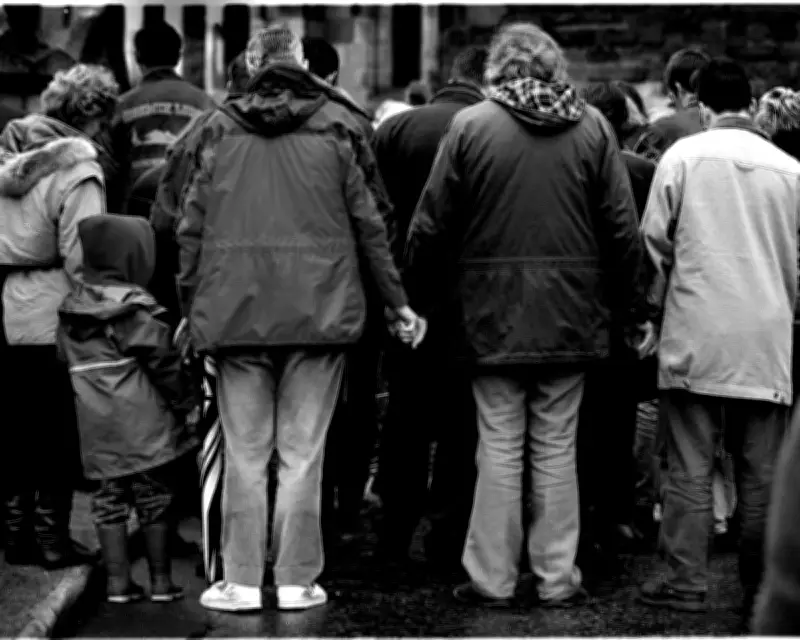
Dunblane has traditionally marked anniversaries through quiet, private reflection rather than large public memorials. Churches open their doors for contemplation, and many residents place candles in their windows as signs of remembrance. The centre continues normal operations on these significant dates, respecting the community's preference for personal commemoration.
A current preservation project focuses on the countless gifts sent to Dunblane following the tragedy—quilts, cards, poems, sports memorabilia, and books that represented a global outpouring of support. A small exhibition is being assembled at the centre, with plans for a permanent home to honor this "huge outpouring of love and support the town received."
Enduring Impact and Forward Momentum
The sixteen children murdered that morning would all be adults in their thirties today, while their teacher Gwen Mayor would be in her seventies. Their absence remains palpable, yet their legacy continues through the community's determination to create positive change from profound loss.
"It's important that we remember—not just what happened, but also what was achieved," emphasizes Stirton. "The legacy that was created was a safe place for the children of Dunblane. A lot of us who are involved with the centre now used it when we were younger, and now our children use it too. What we want is to make sure that when they're older, their children can come and use it as well."
Three decades after unimaginable tragedy, Dunblane stands as a testament to human resilience, demonstrating how communities can transform grief into meaningful action that protects future generations while honoring those lost.