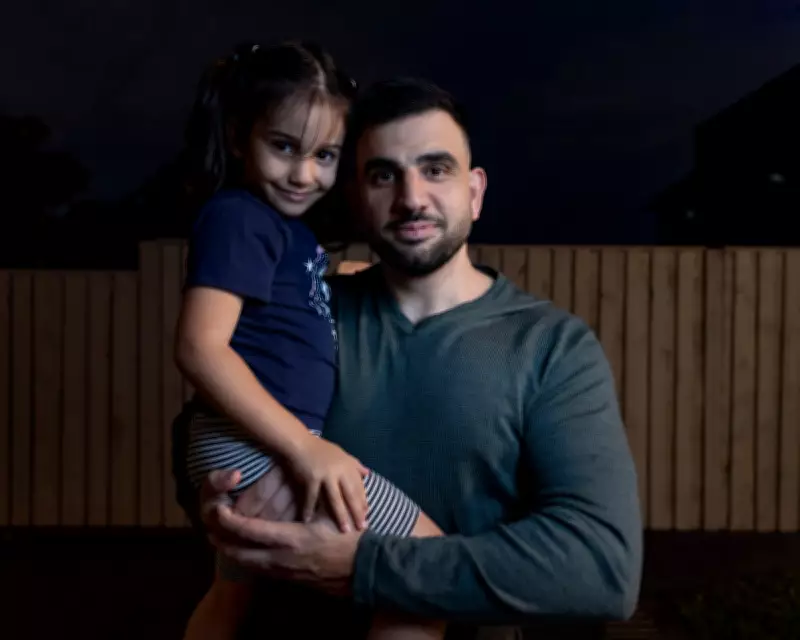
For the global Lebanese diaspora, the recent bombardment of southern Lebanon has inflicted a unique emotional toll. With an estimated 15 million people spread across Australia, Europe, and the Americas, many watch helplessly as their ancestral villages are destroyed. Over 1.2 million people have been displaced, thousands killed, and 14.3% of Lebanese territory ordered vacated. While those inside Lebanon endure physical suffering, the diaspora faces the loss of familial homes that anchor their identity.
Ali Hamka: A Home Destroyed Twice
Ali Hamka, a construction worker in Sydney, lost his family home in Bint Jbeil during April attacks. His grandparents' house, rebuilt after previous conflicts, held decades of memories. 'When I first went back in 1999, I felt at ease with people who loved me because my photo was on their wall,' he recalls. Seeing his 90-year-old grandmother displaced again is 'very hard to accept.' He notes that in south Lebanon, a home is not just a building but part of a ḥāra—a family quarter that anchors community presence. 'When a village is destroyed, it is family history being erased.' Yet he insists, 'The bond to the land is too deep to be broken.'
Suha Karam Hourani: A Dream Lost
Suha Karam Hourani, who moved to San Diego 31 years ago from Deir Mimas, had planned to retire in her village. Her apartment, destroyed on May 12, was a labor of love. 'I handpicked every item and hauled them from America,' she says. 'Every inch of that home has a chunk of me.' The water pump station was also bombed, forcing many to flee. 'I feel devastated and lonely, same as when I lost my mother,' she adds.
Adam Al-Bassam: Thanking a House
Adam Al-Bassam, living in Brazil, lost his family home in Aynatha on March 1. The house, rebuilt after the 2006 war, held cherished memories of his mother. 'It feels awkward to thank a house, but I want to thank it for the memories,' he says. The balcony was a gathering place for barbecues and backgammon. He fears his village may become like Palestinian territories—with no home to return to. 'Resilience is the most famous word used to describe the Lebanese, but war is not our culture,' he emphasizes.