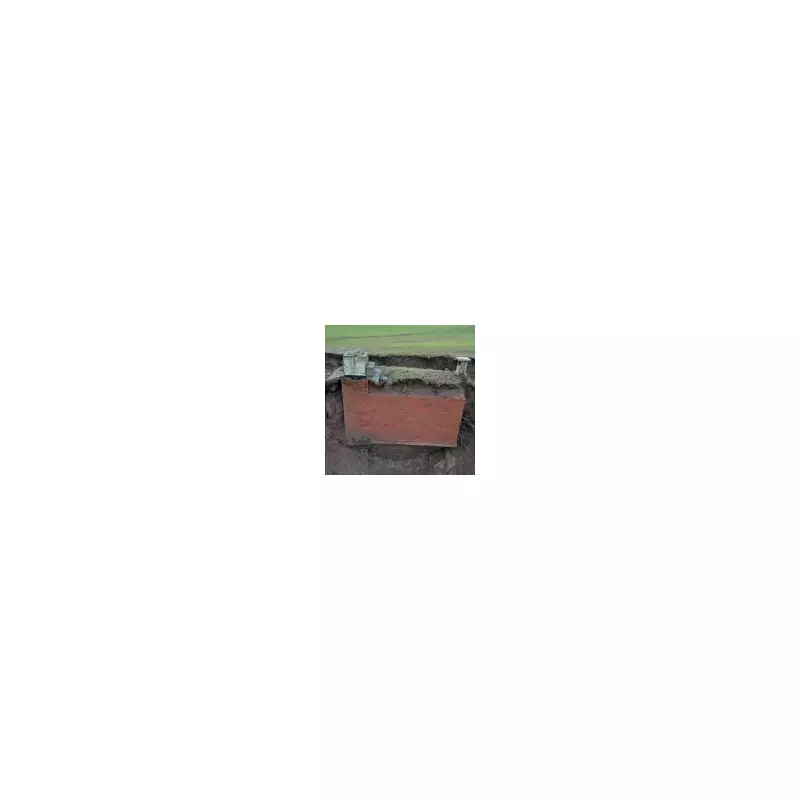
A relic of Britain's Cold War past is teetering on the brink of destruction, with experts warning it could plunge into the North Sea within days.
A Race Against Time on the Eroding Coast
The structure in peril is the Tunstall ROC Post, a small, brick-built nuclear bunker constructed in the 1950s. It is perched precariously on the clay cliffs of the Holderness coast in East Yorkshire, an area known as one of the fastest eroding coastlines in Europe. Since at least August last year, part of the bunker has been protruding from the cliff face, and its final collapse now seems imminent.
Amateur historian Davey Robinson has been monitoring the site closely. He told the BBC: "This bunker hasn't got long left, perhaps just a few days." He and his wife, Tracy Charlton, have spent the last nine days filming the site, expecting it to fall at any moment. Their daily 'bunker watch' updates on YouTube have attracted thousands of views from fascinated followers.
A Spartan Outpost, Not a Billionaire's Retreat
Unlike the lavish, modern bunkers built by the ultra-wealthy, the Tunstall shelter was a functional, no-frills monitoring station. It was one of over 280 such posts built across the UK to withstand a nuclear blast. Operated by the now-defunct Royal Observer Corps (ROC), officers would have lived and slept in this sparse underground building, ready to detect and report nuclear explosions.
Most of these stations were sealed after the fall of the Soviet Union. Tunstall was closed in 1991, according to historical records from Subterranea Britannica. However, vandalism in 2002 forced the post open again, and it has since been damaged by fire and littered with metal scraps. One researcher noted in August that between the flaky paint and exposed brick, "one bad winter soon, it will be lost."
A Stark Symbol of Relentless Coastal Change
The bunker's fate is a powerful illustration of the dramatic coastal erosion affecting the region. The powerful waves of the North Sea are estimated to chip away a staggering two million tonnes of material from these cliffs every year. This relentless process has claimed an estimated 23 towns since Roman times.
Davey Robinson emphasises that the bunker makes this abstract threat tangible. "This whole area is eroding at a rapid rate," he said, "and to see an actual physical thing moving it just shows what's happening really." The couple's recent video, filmed after Storm Goretti, highlighted the bunker's increasingly precarious position. In online comments, some viewers are even placing bets on the exact date of its final collapse.
The impending loss of the Tunstall ROC Post serves as a poignant, physical reminder of both a bygone geopolitical era and the ongoing, powerful natural forces reshaping the British coastline.