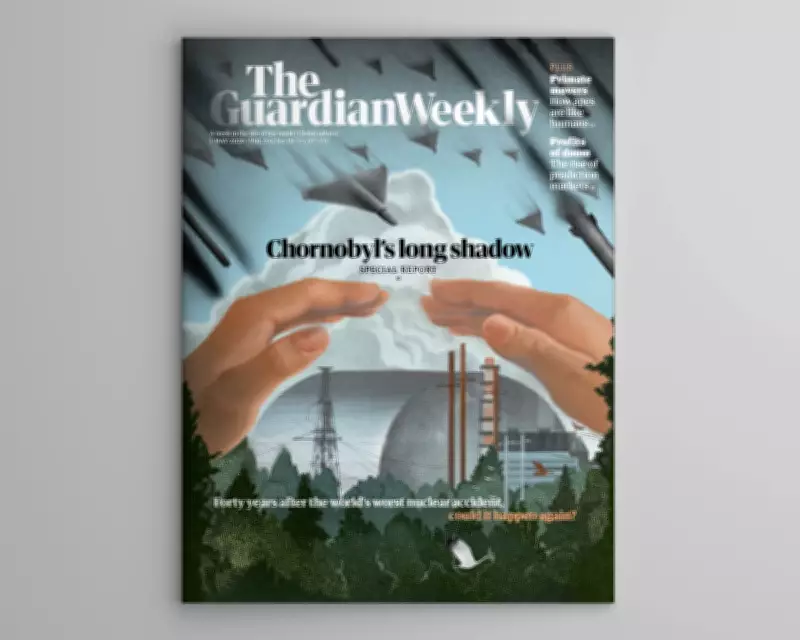
Four decades after the catastrophic explosion at the Chornobyl nuclear power plant, the Guardian Weekly has published a special report reflecting on the disaster's enduring legacy. The report, titled 'Chornobyl 40 Years On', delves into the ongoing environmental, health, and political repercussions of the 1986 meltdown.
The Immediate Aftermath
On April 26, 1986, a sudden power surge during a safety test led to a series of explosions that destroyed reactor number four. The disaster released massive amounts of radioactive material into the atmosphere, contaminating vast areas of Ukraine, Belarus, and Russia. In the weeks that followed, hundreds of thousands of people were evacuated from the surrounding regions, and a 30-kilometer exclusion zone was established.
Health and Environmental Impact
The long-term health effects have been severe, with thousands of cases of thyroid cancer and other radiation-related illnesses reported. The environment around Chornobyl has become a unique, albeit radioactive, wilderness. Studies show that wildlife has rebounded in the absence of human activity, though the area remains unsafe for permanent habitation.
Political and Social Legacy
The disaster also had profound political consequences. It exposed the Soviet Union's secrecy and incompetence, contributing to the growing discontent that eventually led to its collapse. For Ukraine, Chornobyl remains a symbol of both tragedy and resilience. The Guardian Weekly report includes interviews with survivors, scientists, and activists who continue to push for greater transparency and support for affected communities.
Looking Forward
Today, the site is encased in a massive steel and concrete structure, the New Safe Confinement, designed to contain the radioactive remains for the next century. However, debates continue over the future of the exclusion zone, with some advocating for its transformation into a nature reserve and others pushing for renewable energy projects. The Guardian Weekly's coverage underscores the complex interplay of memory, science, and politics that defines Chornobyl's legacy 40 years on.