Campaign launched to acquire Stefan Zweig's former Salzburg villa
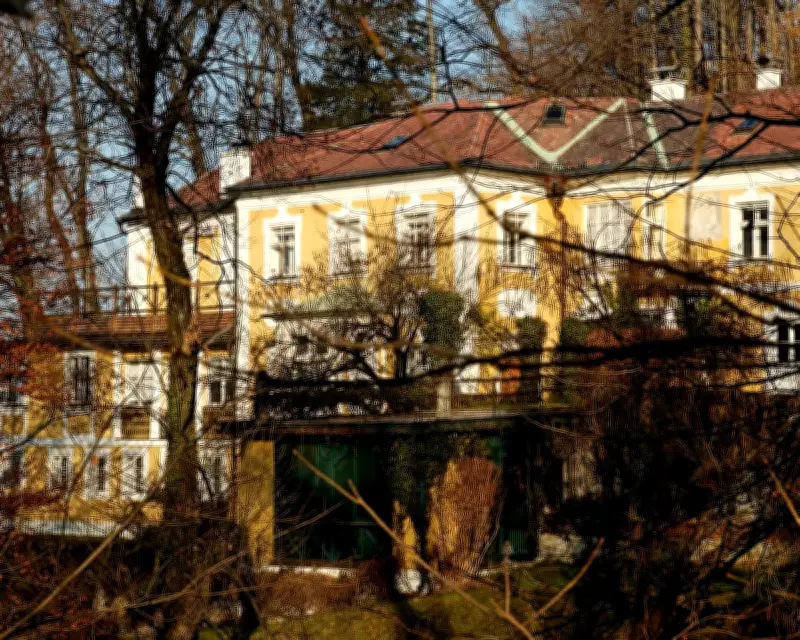
Austrian cultural figures have launched a campaign to buy a villa once home to the writer Stefan Zweig after its owner, the automotive magnate Wolfgang Porsche, unexpectedly put it on the market following a row over his plans to build a private tunnel for his car collection.
Zweig, the Austrian Jewish writer whose novels inspired the Wes Anderson film The Grand Budapest Hotel, lived in the 17th-century property until 1934 when he was driven out of Salzburg by the Austro-fascist regime and his family was forced to sell it at a rock-bottom price.
Villa Europa as cultural hub
The Villa Europa, as it was known in his lifetime, was not only the place where he did much of his writing but was also a cultural meeting point for prominent figures, including James Joyce, Thomas Mann and Richard Strauss.
Wolfgang Porsche bought the property in 2020 for €8.4m (£7.2m) and has put it on the market for €12.7m after undertaking renovations. His plans to build a private 500-metre tunnel to transport his car collection to the house had created a public outcry.
Petition and public support
Singers, composers and writers are among several thousand people who have signed a petition to the federal and local government, which calls the plans to acquire the Zweig villa “a cultural responsibility to future generations” and an “opportunity to make this unique place publicly accessible and usable … and to make its significance for Austrian and European cultural history tangible for everyone”.
Bernhard Fügenschuh, the rector of the University of Salzburg, which he said had the means to secure the villa, said Austria had a moral obligation to keep it as a place of commemoration for Zweig. The university would see itself as an interim owner until others were able to raise the funds, he added.
University's role and moral obligation
“There’s very much a societal responsibility here. As a university, and as a public institution, we’ve decided to take this on because we believe the window of opportunity is potentially very short,” he said.
“This Stefan Zweig villa is, if you will, the most visible symbol of this history, this responsibility, which Austria as a whole carries. And that is why it is so incredibly important.”
Fügenschuh said Porsche’s decision to put the villa on the market had provided the city with a rare opportunity after it had in the past tried to buy it and failed. He said the university was in discussions with the federal ministry of women, science and research, which needs to approve the plans.
Tunnel controversy and planning permission
Planning permission to build a tunnel through the Kapuzinerberg, on which the villa is nestled and which caused considerable unrest in Salzburg, is included in the purchase price. However, a new owner would only have until the end of 2028 to utilise it.
Zweig described the house as “romantic and impractical”, writing that among its charms was that it was “inaccessible to cars” and could “only be reached by climbing the more than a hundred steps” of the Kapuzinerberg.