British Companies Profited from Brazilian Slavery Decades After UK Abolition
In a startling revelation, historian Joseph Mulhern has uncovered how British companies and citizens continued to profit from slavery in Brazil for over half a century after the UK's Slavery Abolition Act of 1833. His new book, British Entanglement with Brazilian Slavery – Commerce, Credit and Complicity in Another Empire, c. 1822–1888, exposes overlooked connections between the UK and Brazilian slavery, challenging the self-congratulatory narrative often taught in Britain.
Legal Loopholes and Illegal Enslavement
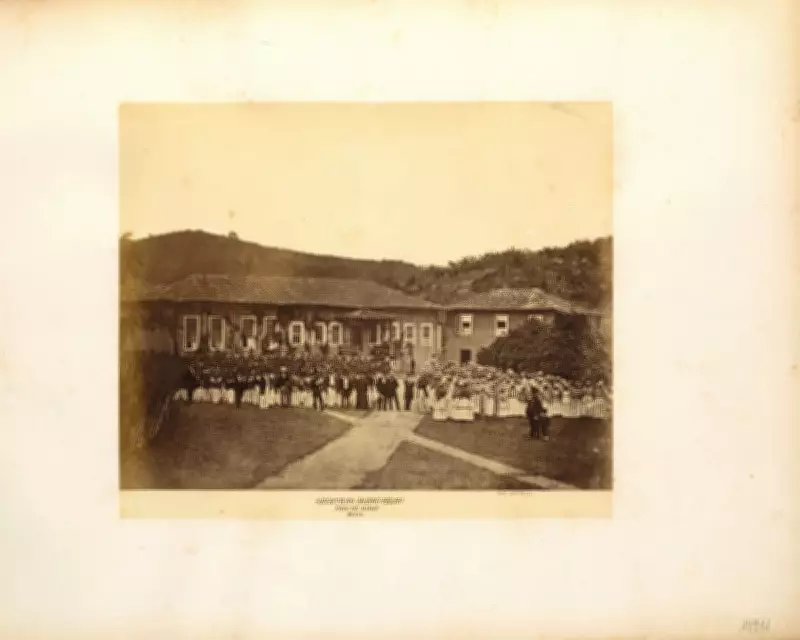
Despite the 1845 prohibition on British entities owning enslaved people overseas, 385 captives were "transferred" to the British mining company St John d'El Rey in Brazil that year. This move exploited a loophole in the 1843 Slave Trade Act, which allowed "renting" enslaved people for up to 14 years overseas. However, the promised freedom never materialized for most. The British ambassador to Brazil ignored the case due to a lack of evidence, and it was only in 1879, after exposure by Brazilian abolitionist Joaquim Nabuco, that 123 survivors were freed. The majority had died in captivity.
Mulhern describes this as one of the most notorious examples of British involvement in illegal enslavement in Brazil. He argues that Britons often learn about their country's role in slavery as if it were a "self-appointed moral arbiter," despite the UK being a major participant in the slave trade.
Complicity in the Brazilian Slave Trade
In 1831, under UK pressure, Brazil banned the trafficking of enslaved Africans, but the law was widely ignored, earning the nickname "for the English to see." Mulhern's research shows that British merchants in Brazil enabled this disregard by supplying goods and long-term credit, allowing a new class of traffickers to operate illegally. British officials were fully aware of these connections, yet the trade only ended in 1850 after about 750,000 Africans had been illegally brought to Brazil since 1831.
Earlier research by Mulhern at Durham University revealed that British banks profited by treating enslaved people as "collateral assets" for loans. When debtors defaulted, banks forced auctions, leading to tragic separations, such as a 22-year-old mother, Caetana, being parted from her three-year-old son, Pio, in Rio de Janeiro in 1878.
Widespread British Involvement
A rare "census" compiled for Britain's Foreign Office in 1848 and 1849 listed 3,445 enslaved people held by British interests in Brazil, with over half belonging to mining companies like St John d'El Rey, which operated until 1985. While companies held the majority, many small traders, including pub owners, also owned enslaved people. Mulhern debunks the myth of "benevolent masters," citing evidence of illegal enslavement, physical violence, and sexual assault.
The scandal exposed by Nabuco is seen as a trigger event that contributed to Brazil abolishing slavery in 1888, making it the last country in the Americas to do so. This research underscores the complex and often hidden ways in which British entities profited from slavery long after formal abolition, urging a reevaluation of historical narratives.