The Great Banknote Debate: Wildlife Versus Historical Icons
In a controversial move that has captured national attention, the Bank of England is considering replacing historical figures like Sir Winston Churchill with British wildlife on future banknotes. This proposal follows a public consultation where 60 percent of 44,000 respondents expressed preference for celebrating native animals over human figures on currency.
The Case for Wildlife: Celebrating Our Animal Kingdom
Geoff Edmond, lead wildlife officer for the RSPCA, argues passionately for this change. "We are a nation of animal lovers," he states, emphasizing that showcasing creatures like rats, foxes, pigeons, and gulls would celebrate the animals sharing our urban and rural landscapes.
Edmond counters criticism that this move disrespects historical figures, noting that banknote designs have always evolved periodically. He points out that Churchill himself was an animal enthusiast who might have appreciated this wildlife-focused conversation.
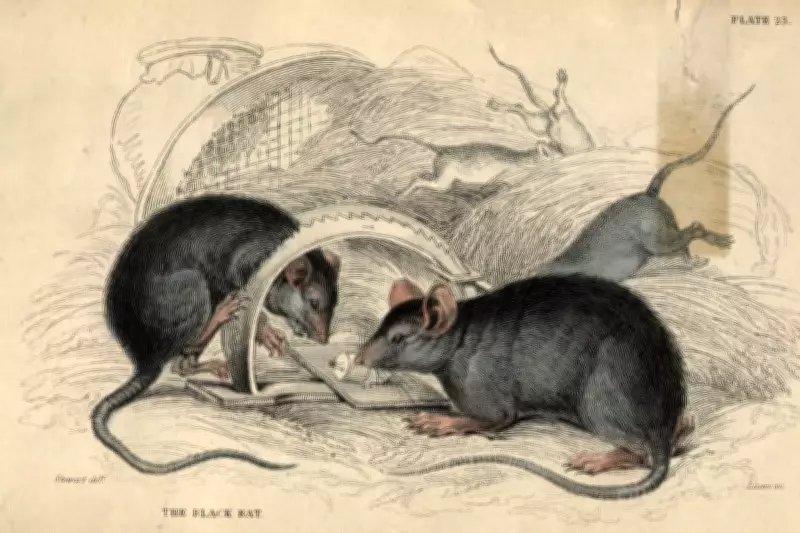
- Rats possess remarkable memory capabilities, even recognizing individual humans
- Foxes communicate using approximately forty distinct vocalizations
- Pigeons have historically served as message carriers
- Certain gull species face conservation challenges despite their abundance
"These animals represent fascinating aspects of British wildlife that deserve recognition," Edmond asserts, suggesting their inclusion could foster greater appreciation for biodiversity and conservation efforts.
The Traditionalist Perspective: Preserving Historical Legacy
Alys Denby, opinion editor at City AM, presents the opposing view with equal conviction. She questions whether wildlife truly represents Britain's national character, noting that traditional heraldic symbols include the lion, unicorn, and dragon—creatures either non-native or mythical.
"No rodent has ever defeated fascism or authored literary masterpieces," Denby argues, referencing Churchill's wartime leadership and Jane Austen's literary contributions. She warns that replacing human achievement with animal imagery risks creating a bland public realm devoid of shared historical connections.
- Banknotes, like statues, contribute to collective national identity
- Historical figures provide unifying symbols across generations
- Future archaeologists might misinterpret a society prioritizing animals over human accomplishment
- Declining cash usage makes this symbolic choice particularly significant
Denby expresses concern that venerating animals above people reflects diminished national pride, arguing that Britain's complex history should inspire rather than shame contemporary society.
The Verdict: Balancing Tradition and Modern Values
The debate reveals deeper questions about how Britain chooses to represent itself in the twenty-first century. While Edmond makes a compelling case for recognizing undervalued wildlife, Denby's defense of historical legacy resonates with traditionalists.
Interestingly, the discussion extends beyond rats to include various British creatures. As Edmond notes, many species dividing public opinion actually possess remarkable characteristics worthy of celebration. However, Denby counters that uniqueness matters—with rats numbering approximately seven billion globally, they hardly represent distinctive British identity.
Ultimately, this controversy reflects broader societal tensions between evolving environmental values and traditional historical reverence. Whether the Bank of England selects wildlife or maintains human figures, the decision will communicate powerful messages about contemporary British priorities and self-perception.