Australia's Oldest Playable Instruments: A Journey Through Time
In the world of music, age often brings a unique character and depth to instruments, creating sounds that modern counterparts cannot replicate. Australia is home to some of the oldest playable musical instruments in the world, each with a rich history and cultural significance. From Indigenous Yidaki to European double basses and ancient South American flutes, these instruments offer a glimpse into centuries of musical tradition.
The Yidaki: A Sacred Instrument of the Yolŋgu People
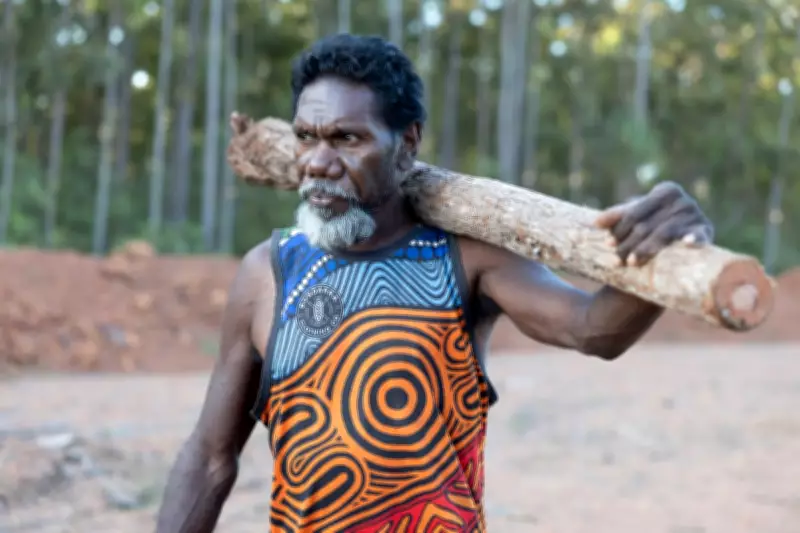
Culturally, the oldest instrument in Australia is the Yidaki, commonly known as the didgeridoo. This sacred instrument has been crafted and played by the Yolŋgu people for thousands of years, serving as a vital part of ceremony, healing, and music. In 2017, curators at the South Australian Museum collaborated with Yolŋgu community members to restore some of the oldest Yidaki to playing condition, with the oldest dating back to around 1890.
Larry Gurruwiwi, a Yidaki master and custodian of this tradition, explains that playing these ancient instruments feels distinctly different from modern ones. "It feels different. Very, very slow," he says, noting that in older instruments, his spirit can get lost. The restoration process involved specialized humidifiers to reintroduce moisture into the wood, mimicking the natural conditions of Arnhem Land and allowing these instruments to be played once again by Yolŋgu masters.
A 16th-Century Double Bass: Waking a Sleeping Giant
Among European instruments in Australia, a double bass crafted around 1580 by Italian master luthier Gasparo da Salò stands out as one of the oldest. This instrument, with its dark, mottled patina and floral carvings, was discovered in an Italian abbey in the late 1960s by German bass player Prof Günter Klaus. Initially covered in soot and in disrepair, it was later identified as a rare piece from da Salò, one of the first makers of double basses.
Now loaned to Max Bibeau, principal double bassist for the Australian Chamber Orchestra, the instrument required years of careful restoration and playing to bring it back to life. "I don't think the instrument's been played much at all in its life, except for now," Bibeau says. "It took quite a while to wake it up." Analysis of the wood dates it to a tree growing as early as 1266, adding to its historical value. Bibeau emphasizes that while age can enhance an instrument's sound, it must be strong enough to withstand time yet flexible enough to vibrate freely.
The First Fleet Piano and an Ancient South American Flute
The first European instrument to arrive in Australia with colonizers was a piano made in 1780 by German craftsman Frederick Beck. This "square" piano, with a wooden frame, arrived on the first fleet ship Sirius and is now held at the Western Australian Academy of Performing Arts. Stewart Smith, a senior lecturer, describes it as having "the sweetest voice," though it is much softer and smaller than modern pianos, reflecting the quieter world of the 18th century.
Even older is an ocarina, an ancient vessel flute from the Nariño region of Colombia, estimated to date back to around AD 1200. Housed at the Queensland Museum, this ceramic instrument is part of a collection donated by Charles and Kati Marson, intended as a "living collection" to be played where possible. Karen Kindt, the collection's manager, notes that while it could produce a sound, its fragility and the need for cultural engagement limit its playability. "It's a beautiful little piece," she says, highlighting how pottery's durability has allowed it to survive for over 800 years.
The Importance of Preservation and Playability
These instruments underscore the delicate balance between preservation and playability. For the Yidaki, traditional methods like soaking in water were adapted to museum protocols, using humidifiers to restore moisture. The da Salò bass required meticulous setup and continuous playing to rejuvenate its sound, with Bibeau noting that "instruments need to be played. It's like a muscle in that it needs to vibrate."
Similarly, the ocarina's conservation work in 2013 aimed to maintain its integrity while honoring the donors' wish for it to be a living artifact. These efforts highlight how cultural and historical contexts shape the way we interact with ancient instruments, ensuring they continue to resonate with modern audiences.
Conclusion: A Legacy of Sound and Spirit
Australia's oldest playable instruments, from the Yidaki to the 16th-century double bass and beyond, offer a unique window into the past. They remind us of the enduring power of music to connect generations and cultures. As Larry Gurruwiwi reflects on playing old Yidaki, and Max Bibeau on reviving his bass, it's clear that these instruments are more than just objects—they are living embodiments of history, spirit, and artistry. Their stories encourage us to appreciate and preserve the musical heritage that enriches our world today.